the Creative Commons Attribution 4.0 License.
the Creative Commons Attribution 4.0 License.
 | 16 Oct 2026
Beyond the binary description of sinus tracts in periprosthetic joint infection
Irene K. Sigmund

Marjan Wouthuyzen-Bakker
Tristan Ferry
Ricardo Sousa
Daniel Pérez-Prieto
Alex Soriano
Volker Alt
Willem J. Metsemakers
Martin Clauss
Rihard Trebse
Related authors

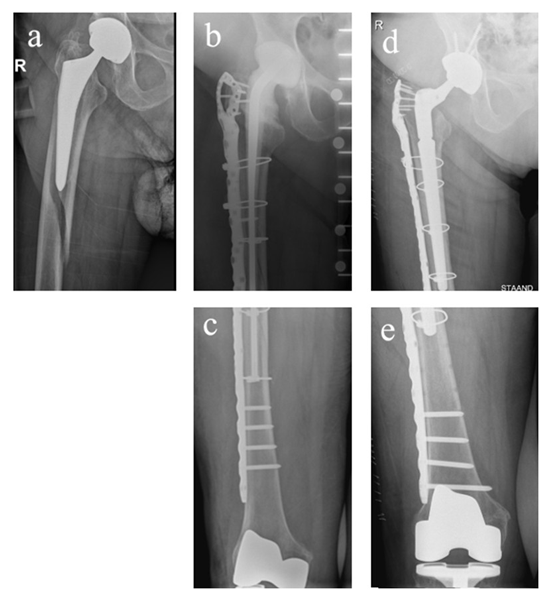
joint infection (PJI) treatment and strictly following them at each step. In most severe cases related to multidrug-resistant (MDR) bacteria, a multiple-stage protocol is indicated, and intra-articular infusions of antibiotics should be considered in addition to standard intravenous regimens.
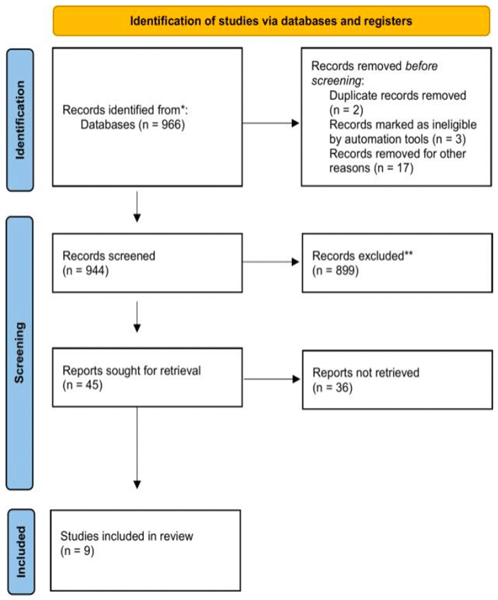
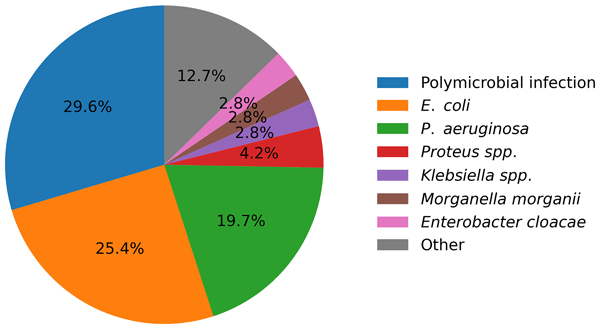
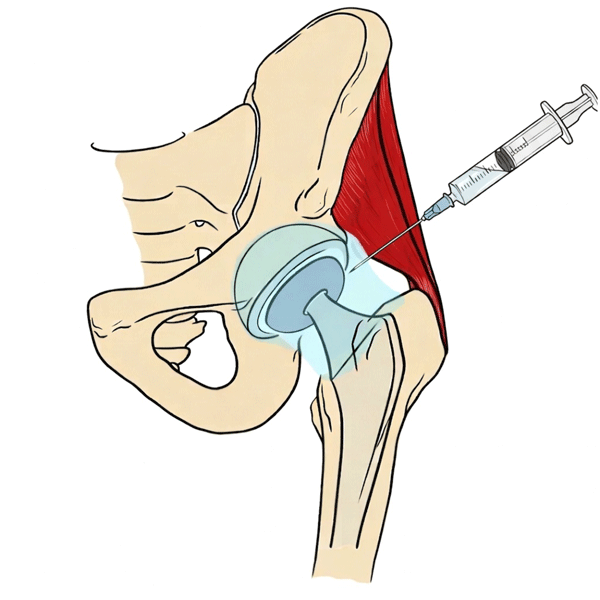
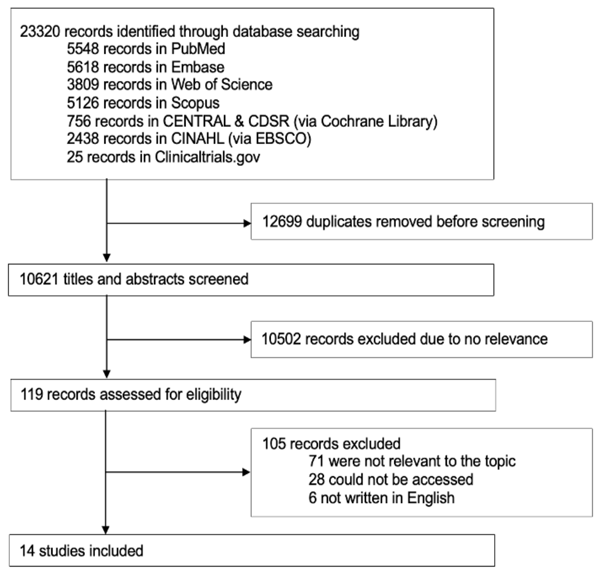
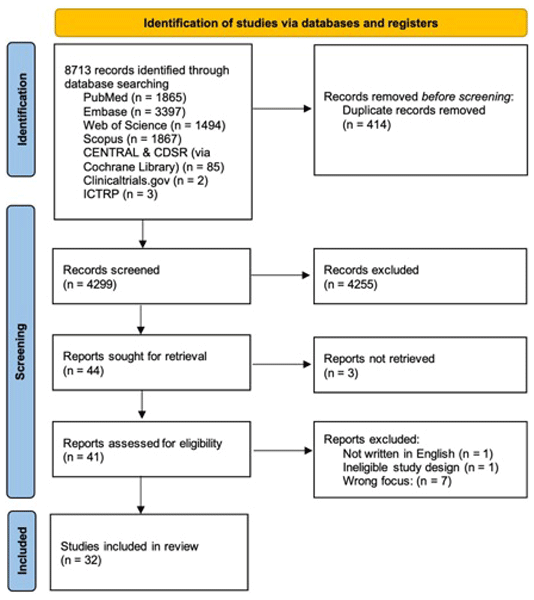
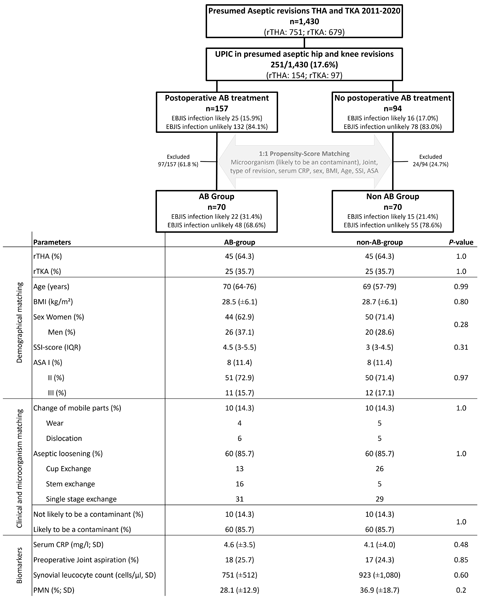
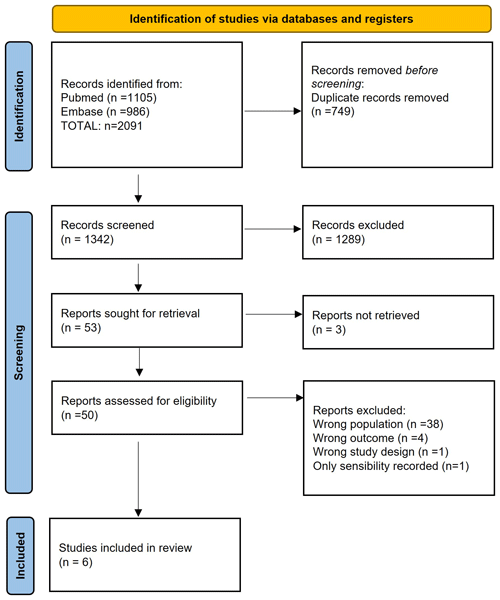
When infection around an artificial hip or knee is suspected, joint fluid sampling is essential but often unsuccessful. We performed a systematic review to evaluate whether rinsing the joint with sterile salt water after an unsuccessful attempt improves diagnosis. Our findings show that this approach is safe, yields testable fluid in nearly all cases, and identifies infection in about one in five patients that would otherwise be missed.
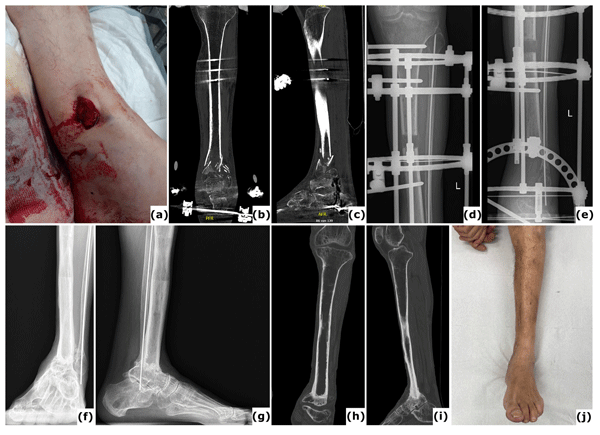

A multi-center study of 563 periprosthetic joint infections (PJIs) found that 16.5 % were culture negative. These patients more often had prior revision or PJI, longer symptom duration and fewer systemic signs. On multivariable analysis, symptom duration >12 weeks was the only independent risk factor (odds ratio 2.24). The findings support the fact that culture-negative infections present insidiously, informing diagnostic strategies.
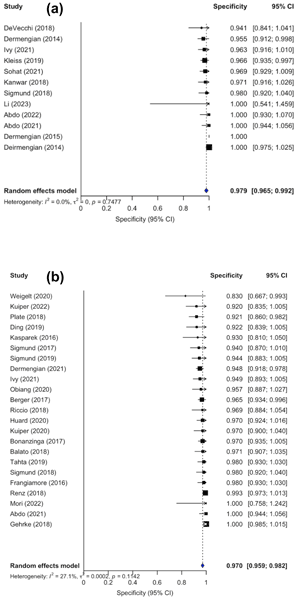
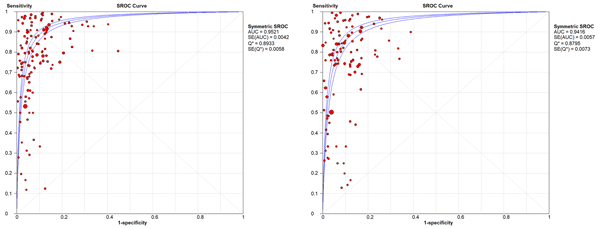
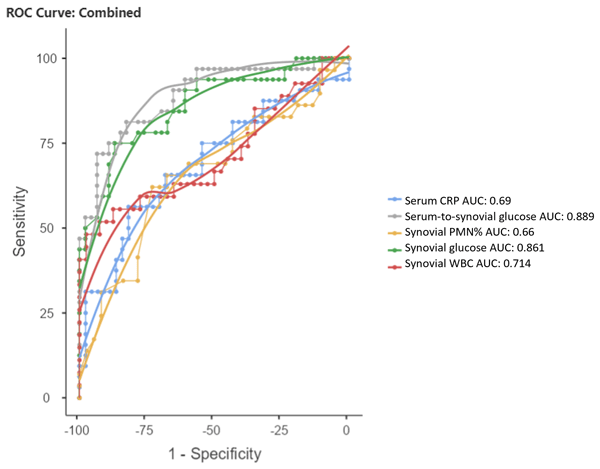
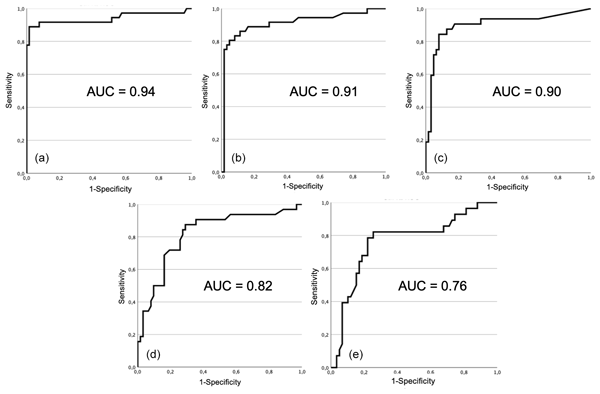
We found that both the WBC count and PMN percentage are good markers for diagnosis of acute postoperative PJI. However, the synovial WBC count is more powerful in diagnosing acute postoperative PJI.