Articles | Volume 11, issue 5
https://doi.org/10.5194/jbji-11-635-2026
© Author(s) 2026. This work is distributed under
the Creative Commons Attribution 4.0 License.
the Creative Commons Attribution 4.0 License.
https://doi.org/10.5194/jbji-11-635-2026
© Author(s) 2026. This work is distributed under
the Creative Commons Attribution 4.0 License.
the Creative Commons Attribution 4.0 License.
Original full-length article
| 
14 Oct 2026
Original full-length article |
| 14 Oct 2026
| 14 Oct 2026
The co-occurrence of peri-prosthetic fracture and infection: a scoping review on current diagnostic principles, treatment and outcome
Noémie Reinert
Center for Musculoskeletal Infections, University Hospital of Basel, Basel, Switzerland
Department of Orthopedic and Trauma Surgery, University Hospital Basel, Basel, Switzerland
Laura Bessems
Department of Trauma Surgery, University Hospitals Leuven, Leuven, Belgium
Department of Development and Regeneration, KU Leuven, Leuven, Belgium
Martin Clauss
Center for Musculoskeletal Infections, University Hospital of Basel, Basel, Switzerland
Department of Orthopedic and Trauma Surgery, University Hospital Basel, Basel, Switzerland
Nader Maai
Center for Musculoskeletal Infections, University Hospital of Basel, Basel, Switzerland
Department of Orthopedic and Trauma Surgery, University Hospital Basel, Basel, Switzerland
Jolien Onsea
Department of Trauma Surgery, University Hospitals Leuven, Leuven, Belgium
Department of Development and Regeneration, KU Leuven, Leuven, Belgium
Georges Vles
Department of Orthopedic Surgery, University Hospitals Leuven, Leuven, Belgium
Karl Stoffel
Department of Orthopedic and Trauma Surgery, University Hospital Basel, Basel, Switzerland
Willem-Jan Metsemakers
Department of Trauma Surgery, University Hospitals Leuven, Leuven, Belgium
Department of Development and Regeneration, KU Leuven, Leuven, Belgium
Mario Morgenstern
CORRESPONDING AUTHOR

Center for Musculoskeletal Infections, University Hospital of Basel, Basel, Switzerland
Department of Orthopedic and Trauma Surgery, University Hospital Basel, Basel, Switzerland
Related authors
Noémie Reinert, Katinka Wetzel, Fabian Franzeck, Mario Morgenstern, Markus Aschwanden, Thomas Wolff, Martin Clauss, and Parham Sendi
J. Bone Joint Infect., 9, 183–190, https://doi.org/10.5194/jbji-9-183-2024, https://doi.org/10.5194/jbji-9-183-2024, 2024
Short summary
Short summary
We assessed concordance of in-house guidelines for diagnostic principles and antibiotic treatment duration (ABT) 2 years after their implementation. The goal was to standardize diagnostic and treatment principles: are we doing what we recommend? The adherence to recommendations in terms of biopsy sampling was good, moderate for histopathology and poor for anatomic labeling. In terms of ABT duration, the adherence was good, but further shortening for surgically cured cases is necessary.
Georges F. Vles, Willem-Jan Metsemakers, Laurens Aerden, Jan Geurts, Oliver Borens, and Stijn Ghijselings
J. Bone Joint Infect., 11, 547–554, https://doi.org/10.5194/jbji-11-547-2026, https://doi.org/10.5194/jbji-11-547-2026, 2026
Short summary
Short summary
We studied three patients who had both a broken femur and a long-standing infection around an artificial hip, a rare and difficult problem. We treated them in two steps: first removing the implant, cleaning the infection, stabilizing the bone, and placing a temporary bone cement spacer; and then reimplanting the hip prosthesis once infection was controlled. In all cases, the infection cleared, the bone healed, and function improved. This approach may offer a safe way to manage these complex cases.
Laura Bessems, Jolien Onsea, Marjan Wouthuyzen-Bakker, Irene K. Sigmund, Tristan Ferry, Richard Kuehl, Martin Clauss, Alex Soriano, Ricardo Sousa, Annette Schuermans, and Willem-Jan Metsemakers
J. Bone Joint Infect., 11, 489–492, https://doi.org/10.5194/jbji-11-489-2026, https://doi.org/10.5194/jbji-11-489-2026, 2026
Short summary
Short summary
We examined whether patients with musculoskeletal infections need to be separated in hospital. A review of published studies found no support for routine isolation or dedicated wards for infections without multidrug-resistant organisms when standard precautions are applied. An international survey showed wide variation in clinician attitudes. These findings highlight a gap between evidence and perception and support a more risk-based approach.
Loïc Fonkoué, Elizabeth K. Tissingh, Leonard C. Marais, Mbonisi Malaba, Kidanemariam Abrha, Jamie Ferguson, Mario Morgenstern, Olivier Cornu, Maritz Laubscher, Randy Buzisa Mbuku, George W. Galiwango, Matthijs Botman, Justyna Wojno, Mtebe Venance Majigo, Claude Martin Jr., William James Harrison, Alexander Thomas Schade, Kebba Marenah, Malvern Nyamutora, Phiona E. Namale, Vuyisa Mdingi, and Martin McNally
J. Bone Joint Infect., 11, 401–411, https://doi.org/10.5194/jbji-11-401-2026, https://doi.org/10.5194/jbji-11-401-2026, 2026
Short summary
Short summary
Fracture-related infection is a serious problem after broken bones, especially in low-resource settings where specialist care and services are limited. An international expert group developed practical recommendations adapted to these realities. The guidance focuses on early fracture care, simple diagnostic approaches, flexible antibiotic use, affordable local treatments, good soft tissue management, and teamwork, aiming to improve safe and effective care in resource-limited environments.
Sander Bruyninckx, Stijn Ghijselings, Melissa Depypere, Alex Soriano, Willem-Jan Metsemakers, and Georges Vles
J. Bone Joint Infect., 11, 207–217, https://doi.org/10.5194/jbji-11-207-2026, https://doi.org/10.5194/jbji-11-207-2026, 2026
Short summary
Short summary
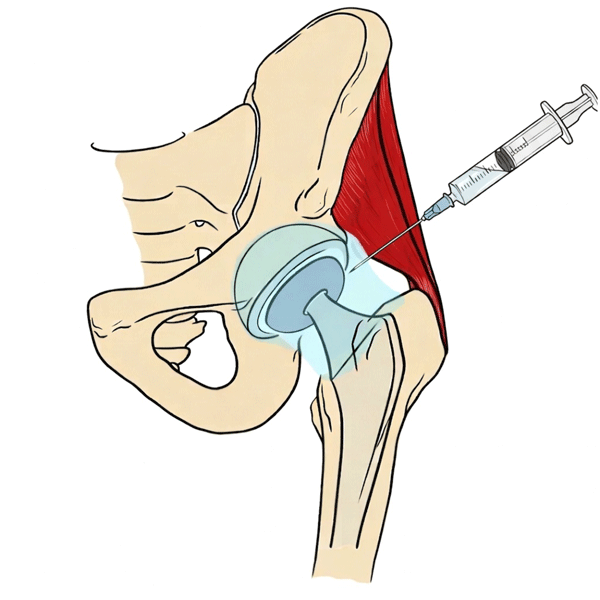
When infection around an artificial hip or knee is suspected, joint fluid sampling is essential but often unsuccessful. We performed a systematic review to evaluate whether rinsing the joint with sterile salt water after an unsuccessful attempt improves diagnosis. Our findings show that this approach is safe, yields testable fluid in nearly all cases, and identifies infection in about one in five patients that would otherwise be missed.
Willem-Jan Metsemakers, Austin T. Fragomen, Mario Morgenstern, Steffen B. Rosslenbroich, Stephen M. Quinnan, Pablo S. Corona, Mitchell Bernstein, and Kevin Tetsworth
J. Bone Joint Infect., 11, 191–206, https://doi.org/10.5194/jbji-11-191-2026, https://doi.org/10.5194/jbji-11-191-2026, 2026
Short summary
Short summary
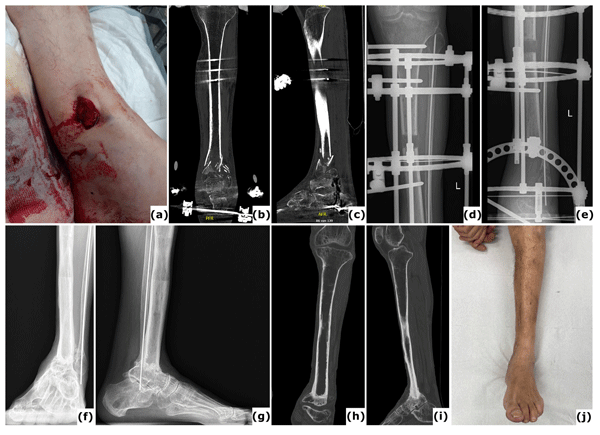
Segmental bone loss remains a major challenge, often worsened by fracture-related infection (FRI). Surgical debridement and tissue cultures are key initial steps. Bone transport, utilizing distraction osteogenesis, remains a key therapeutic strategy. Innovations like integrated fixation and motorized nails reduce patient morbidity. Management relies on a multidisciplinary approach. This review explores current and emerging concepts in the field of bone transport, focusing on FRI.

Melissa Depypere, Jonathan Sliepen, Jolien Onsea, Yves Debaveye, T. Fintan Moriarty, Elena Della Bella, Emmanuel André, Johan Van Weyenbergh, and Willem-Jan Metsemakers
J. Bone Joint Infect., 11, 161–173, https://doi.org/10.5194/jbji-11-161-2026, https://doi.org/10.5194/jbji-11-161-2026, 2026
Short summary
Short summary
The aim of this proof-of-concept study was to investigate host immune gene expression through transcriptome profiling in patients with fracture-related infection and to explore the feasibility of detecting 16S rRNA and biofilm-associated genes, an approach not previously applied using this method. This technique revealed distinct immune activation patterns in fracture-related infection (FRI) and enabled the identification of pathogens that were missed by conventional culture techniques.
Christian Merz, Jan Klaas, Rik Osinga, Parham Sendi, Richard Alexander Kuehl, Mario Morgenstern, and Martin Clauss
J. Bone Joint Infect., 11, 113–121, https://doi.org/10.5194/jbji-11-113-2026, https://doi.org/10.5194/jbji-11-113-2026, 2026
Short summary
Short summary
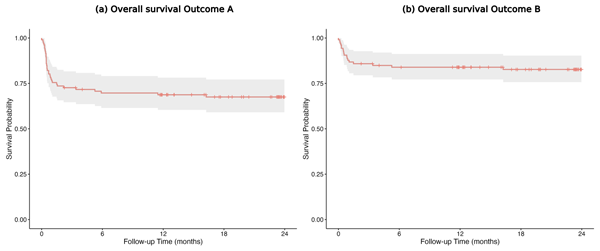
Founded in 2019, the Center for Musculoskeletal Infections at University Hospital Basel was established to implement standardized, multidisciplinary care for orthopaedic and trauma-related infections. This retrospective analysis of hip and knee periprosthetic joint infections (2019–2022) illustrates the feasibility and effectiveness of this structured approach, with infection control achieved in the majority of patients despite case complexity.
Niels Vanvelk, Esther M. M. Van Lieshout, Leendert H. T. Nugteren, A. Cornelis Plaisier, Rosalya Van der Pot, Corine Bethlehem, Willem-Jan Metsemakers, William T. Obremskey, and Michael H. J. Verhofstad
J. Bone Joint Infect., 11, 95–103, https://doi.org/10.5194/jbji-11-95-2026, https://doi.org/10.5194/jbji-11-95-2026, 2026
Short summary
Short summary
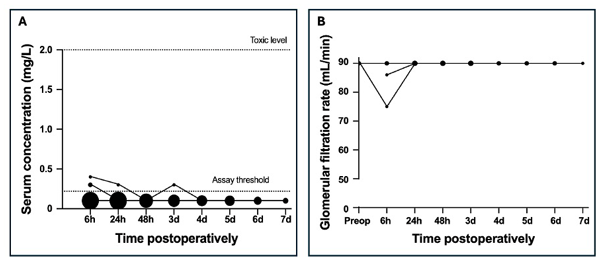
Although local antibiotic administration is used to prevent and treat fracture-related infections, concerns remain about systemic absorption and potential renal toxicity. This study assessed serum levels and renal function after local gentamicin or vancomycin use. Gentamicin exceeded the lower limit of quantification in 17% of cases but remained below toxic levels. Vancomycin was undetectable. These findings suggest that local antibiotic administration does not harm renal function.
Laura Bessems, Jolien Onsea, Baixing Chen, Marjan Wouthuyzen-Bakker, Irene K. Sigmund, Tristan Ferry, Richard Kuehl, Martin Clauss, Alex Soriano, Ricardo Sousa, Annette Schuermans, and Willem-Jan Metsemakers
J. Bone Joint Infect., 10, 489–500, https://doi.org/10.5194/jbji-10-489-2025, https://doi.org/10.5194/jbji-10-489-2025, 2025
Short summary
Short summary
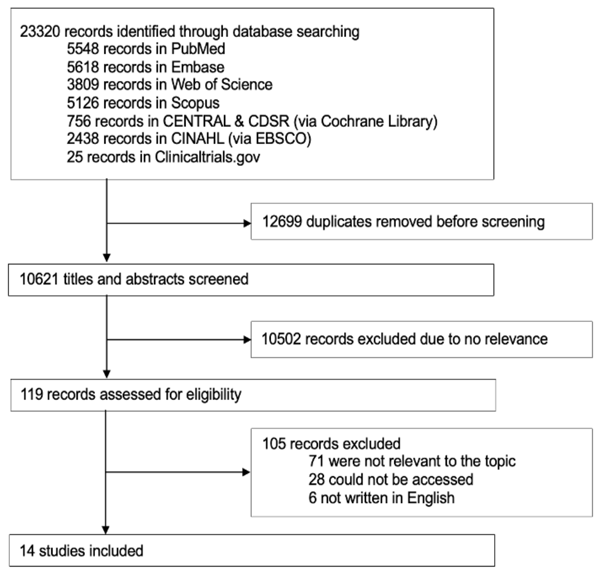
Isolation of patients with musculoskeletal infections in orthopedic care is controversial. Evidence supports selective isolation for certain resistant pathogens but not for non-resistant pathogens, nor does it support the routine use of septic wards. Effective infection control depends on hospital-wide strategies and adherence to standard precautions, with specialized centres offering better care than dedicated isolation units.
Jonathan Sliepen, Michelle A. S. Buijs, Jolien Onsea, Geertje A. M. Govaert, Frank F. A. IJpma, Jean-Paul P. M. de Vries, Bart C. H. Van der Wal, Charalampos Zalavras, and Willem-Jan Metsemakers
J. Bone Joint Infect., 10, 347–361, https://doi.org/10.5194/jbji-10-347-2025, https://doi.org/10.5194/jbji-10-347-2025, 2025
Short summary
Short summary
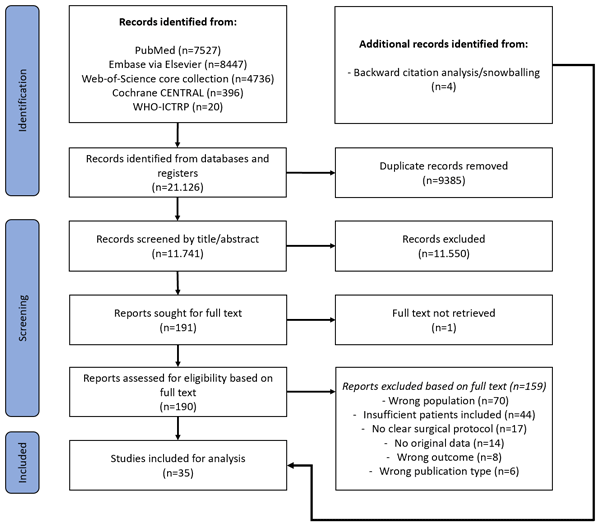
This review assessed the effectiveness of single- and two-stage procedures for treating long-bone fracture-related infections, focusing on unhealed fractures without critical-sized bone defects. A total of 35 studies with 985 patients showed bone-healing rates of 80% for single-stage procedures and 77% for two-stage procedures. Infection eradication rates were 87% for single-stage approaches and 81% for two-stage approaches. The current evidence is inconclusive and lacks sufficient data to favor either approach.
Ann-Sophie Jacob, Jolien Onsea, Laura Bessems, Pauline Spoormans, Georges Vles, Willem-Jan Metsemakers, Sien Ombelet, and Melissa Depypere
J. Bone Joint Infect., 10, 317–326, https://doi.org/10.5194/jbji-10-317-2025, https://doi.org/10.5194/jbji-10-317-2025, 2025
Short summary
Short summary
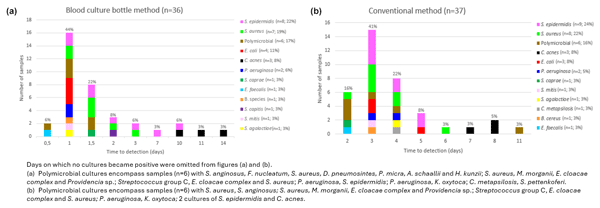
Fracture-related infections (FRIs) and periprosthetic joint infections (PJIs) fail to recover pathogens, posing a diagnostic challenge and impacting treatment. This new method involves homogenising biopsies with beads to release bacteria, followed by inoculation in blood culture bottles using an automated system. This technique shows similar sensitivity to conventional methods, with improved specificity and faster pathogen detection. To date, no other studies have reported an optimized method for incubating biopsies from patients with FRIs.
Marta Sabater-Martos, Martin Clauss, Ana Ribau, Ricardo Sousa, and on behalf of the Leukocyte Count Synovial Fluid working group for the Unified PJI definition task force
J. Bone Joint Infect., 10, 165–184, https://doi.org/10.5194/jbji-10-165-2025, https://doi.org/10.5194/jbji-10-165-2025, 2025
Short summary
Short summary
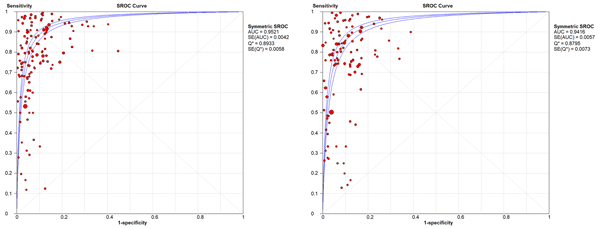
This meta-analysis evaluates synovial fluid white blood cell count and polymorphonuclear neutrophil proportion in order to diagnose chronic peri-prosthetic joint infection. Based on 74 studies, it identifies optimal thresholds, with rule-in and rule-out thresholds enhancing diagnostic precision. Confounding factors such as fractures and inflammatory arthritis are addressed. The findings support standardized diagnostic frameworks in improving accuracy and clinical consistency.
Irene K. Sigmund, Tristan Ferry, Ricardo Sousa, Alex Soriano, Willem-Jan Metsemakers, Martin Clauss, Rihard Trebse, and Marjan Wouthuyzen-Bakker
J. Bone Joint Infect., 10, 101–138, https://doi.org/10.5194/jbji-10-101-2025, https://doi.org/10.5194/jbji-10-101-2025, 2025
Short summary
Short summary
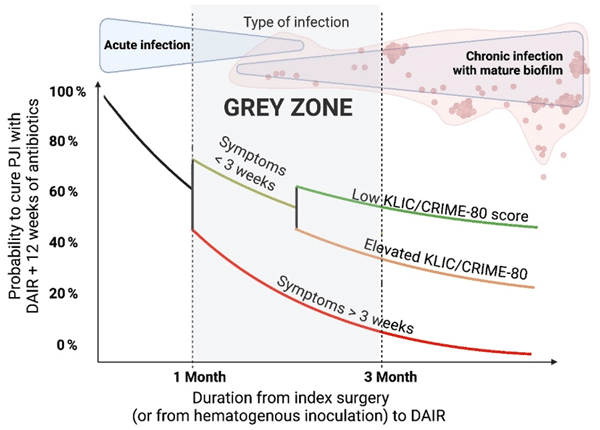
In this paper, we discuss the most relevant factors influencing the outcome and define indications, contraindications, and risk factors of a DAIR procedure based on the currently available literature. Furthermore, we discuss the surgical technique in combination with systemic antimicrobial therapy in patients undergoing a DAIR procedure.
Irene K. Sigmund, Marjan Wouthuyzen-Bakker, Tristan Ferry, Willem-Jan Metsemakers, Martin Clauss, Alex Soriano, Rihard Trebse, and Ricardo Sousa
J. Bone Joint Infect., 10, 139–142, https://doi.org/10.5194/jbji-10-139-2025, https://doi.org/10.5194/jbji-10-139-2025, 2025
Short summary
Short summary
This is a summary of our position paper on debridement, antimicrobial therapy, and implant retention (DAIR) procedures as a curative treatment strategy for acute periprosthetic hip and knee infections. It includes the defined indications as well as the contraindications of DAIR procedures when eradication/cure is intended, based on the currently available literature.
Baixing Chen, T. Fintan Moriarty, Hans Steenackers, Georges F. Vles, Jolien Onsea, Thijs Vackier, Isabel Spriet, Rob Lavigne, R. Geoff Richards, and Willem-Jan Metsemakers
J. Bone Joint Infect., 9, 249–260, https://doi.org/10.5194/jbji-9-249-2024, https://doi.org/10.5194/jbji-9-249-2024, 2024
Short summary
Short summary
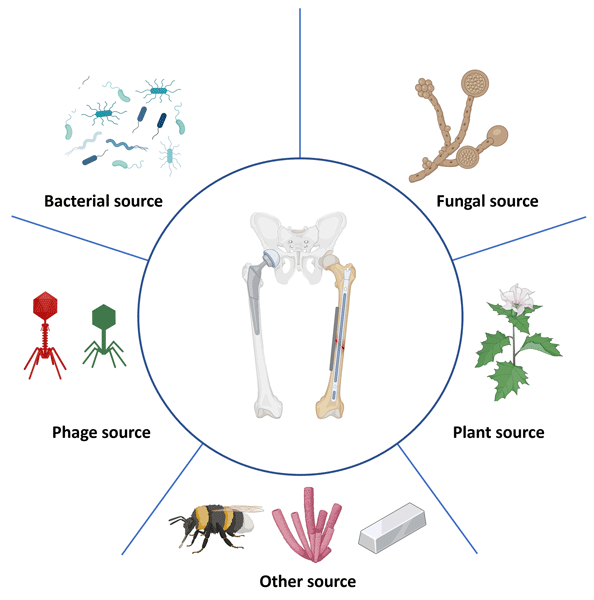
Our research explores natural antimicrobials to combat orthopedic-device-related infections, a challenging issue due to antibiotic resistance. We reviewed agents from bacteria, fungi, viruses, animals, plants and minerals, evaluating their effectiveness and synergy with traditional antibiotics. Our findings suggest these natural alternatives could revolutionize infection management in orthopedic patients, offering new hope for reducing antibiotic resistance and improving treatment outcomes.
Alexandra Wallimann, Yvonne Achermann, Ciara Ferris, Mario Morgenstern, Martin Clauss, Vincent Stadelmann, Hannes Andreas Rüdiger, Liam O'Mahony, and Thomas Fintan Moriarty
J. Bone Joint Infect., 9, 191–196, https://doi.org/10.5194/jbji-9-191-2024, https://doi.org/10.5194/jbji-9-191-2024, 2024
Short summary
Short summary
Skin commensal bacteria such as staphylococci are often the source of orthopaedic-device-related infections. Rifampicin is a widely used antibiotic in the treatment of these infections. The results of this study show that oral rifampicin therapy leads to a consistent and persistent induction of resistance in commensal staphylococci on the skin and in the nose for a prolonged time.
Noémie Reinert, Katinka Wetzel, Fabian Franzeck, Mario Morgenstern, Markus Aschwanden, Thomas Wolff, Martin Clauss, and Parham Sendi
J. Bone Joint Infect., 9, 183–190, https://doi.org/10.5194/jbji-9-183-2024, https://doi.org/10.5194/jbji-9-183-2024, 2024
Short summary
Short summary
We assessed concordance of in-house guidelines for diagnostic principles and antibiotic treatment duration (ABT) 2 years after their implementation. The goal was to standardize diagnostic and treatment principles: are we doing what we recommend? The adherence to recommendations in terms of biopsy sampling was good, moderate for histopathology and poor for anatomic labeling. In terms of ABT duration, the adherence was good, but further shortening for surgically cured cases is necessary.
Fred Ruythooren, Stijn Ghijselings, Melissa Depypere, Willem-Jan Metsemakers, Liesbet Henckaerts, Nathalie Noppe, and Georges Vles
J. Bone Joint Infect., 9, 167–171, https://doi.org/10.5194/jbji-9-167-2024, https://doi.org/10.5194/jbji-9-167-2024, 2024
Short summary
Short summary
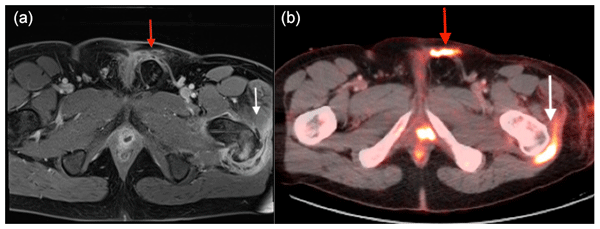
The article examines a unique case of Ureaplasma urealyticum causing osteomyelitis in the greater trochanter of a 26-year-old male treated with ocrelizumab for multiple sclerosis. It emphasizes the necessity of a multidisciplinary approach and advanced PCR diagnostics to manage such rare opportunistic infections effectively, highlighting the challenges faced due to the immunosuppressive nature of monoclonal antibody therapies of this kind.
Stéphanie Pascual, Brooklyn Noble, Nusreen Ahmad-Saeed, Catherine Aldridge, Simone Ambretti, Sharon Amit, Rachel Annett, Shaan Ashk O'Shea, Anna Maria Barbui, Gavin Barlow, Lucinda Barrett, Mario Berth, Alessandro Bondi, Nicola Boran, Sara E. Boyd, Catarina Chaves, Martin Clauss, Peter Davies, Ileana T. Dianzo-Delgado, Jaime Esteban, Stefan Fuchs, Lennart Friis-Hansen, Daniel Goldenberger, Andrej Kraševac Glaser, Juha O. Groonroos, Ines Hoffmann, Tomer Hoffmann, Harriet Hughes, Marina Ivanova, Peter Jezek, Gwennan Jones, Zeynep Ceren Karahan, Cornelia Lass-Flörl, Frédéric Laurent, Laura Leach, Matilde Lee Horsbøll Pedersen, Caroline Loiez, Maureen Lynch, Robert J. Maloney, Martin Marsh, Olivia Milburn, Shanine Mitchell, Luke S. P. Moore, Lynn Moffat, Marianna Murdjeva, Michael E. Murphy, Deepa Nayar, Giacomo Nigrisoli, Fionnuala O'Sullivan, Büşra Öz, Teresa Peach, Christina Petridou, Mojgan Prinz, Mitja Rak, Niamh Reidy, Gian Maria Rossolini, Anne-Laure Roux, Patricia Ruiz-Garbajosa, Kordo Saeed, Llanos Salar-Vidal, Carlos Salas Venero, Mathyruban Selvaratnam, Eric Senneville, Peter Starzengruber, Ben Talbot, Vanessa Taylor, Rihard Trebše, Deborah Wearmouth, Birgit Willinger, Marjan Wouthuyzen-Bakker, Brianne Couturier, and Florence Allantaz
J. Bone Joint Infect., 9, 87–97, https://doi.org/10.5194/jbji-9-87-2024, https://doi.org/10.5194/jbji-9-87-2024, 2024
Short summary
Short summary
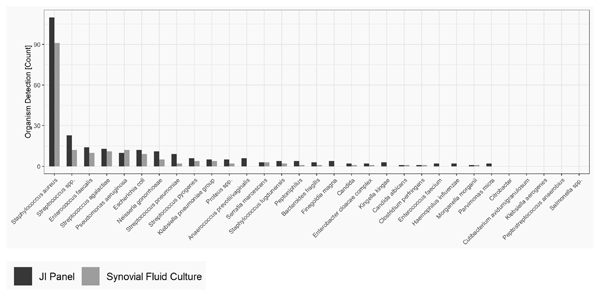
This study conducted in multiple sites across Europe aimed to evaluate the BIOFIRE Joint Infection (JI) Panel, a new technology that uses multiplex PCR to detect microorganisms in synovial fluid of patients with suspicion of joint infections in 1 h, in comparison with synovial fluid culture. Results showed an overall agreement of 85 % to 88.4 % between the two methods. The JI Panel detected additional organisms, and the positive user experience highlights its clinical significance.
Jordi Cools, Stijn Ghijselings, Fred Ruythooren, Sander Jentjens, Nathalie Noppe, Willem-Jan Metsemakers, and Georges Vles
J. Bone Joint Infect., 9, 27–35, https://doi.org/10.5194/jbji-9-27-2024, https://doi.org/10.5194/jbji-9-27-2024, 2024
Short summary
Short summary
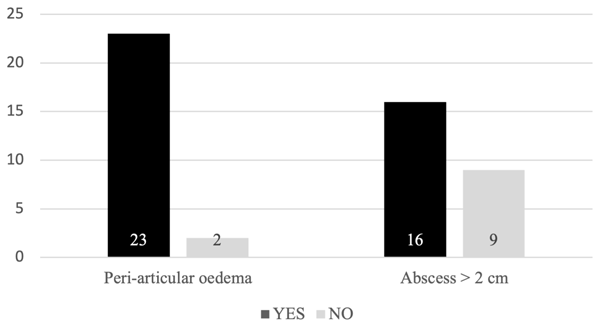
Septic arthritis (SA) of the native adult hip is a rare orthopaedic emergency. To date, the role of advanced imaging has been confined to supporting or opposing diagnosis; however, implications for surgical decision-making and outcomes have not yet been established. We found that extra-articular abscesses are present in two out of three patients and require varying anatomical approaches. Therefore, we recommend routinely performing advanced imaging in all adults with SA of the native hip joint.
Fred Ruythooren, Stijn Ghijselings, Jordi Cools, Melissa Depypere, Paul De Munter, Willem-Jan Metsemakers, and Georges Vles
J. Bone Joint Infect., 8, 209–218, https://doi.org/10.5194/jbji-8-209-2023, https://doi.org/10.5194/jbji-8-209-2023, 2023
Short summary
Short summary
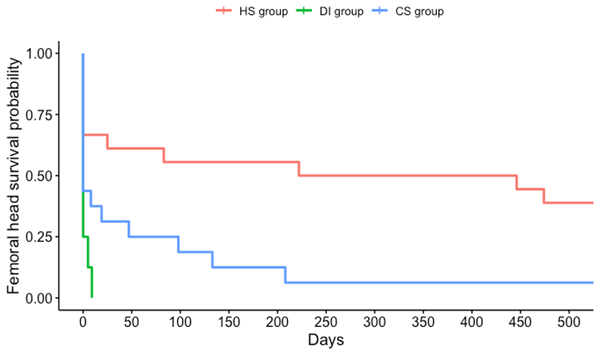
A total of 41 patients who underwent surgical treatment for septic arthritis (SA) of the native hip were studied. We show that patients with SA of the native hip can be divided in three distinct clinical subgroups based on route of infection. Route of infection is directly related to the chance of femoral head preservation and should, therefore, be the basis for decision-making. Only patients with blood-borne infections in an undamaged hip had a reasonable chance of femoral head preservation.
Niels Vanvelk, Esther M. M. Van Lieshout, Jolien Onsea, Jonathan Sliepen, Geertje Govaert, Frank F. A. IJpma, Melissa Depypere, Jamie Ferguson, Martin McNally, William T. Obremskey, Charalampos Zalavras, Michael H. J. Verhofstad, and Willem-Jan Metsemakers
J. Bone Joint Infect., 8, 133–142, https://doi.org/10.5194/jbji-8-133-2023, https://doi.org/10.5194/jbji-8-133-2023, 2023
Short summary
Short summary
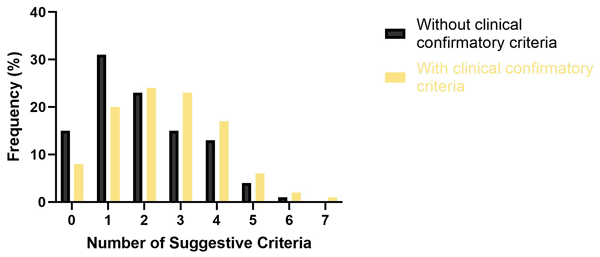
This international retrospective cohort study displays the diagnostic characteristics of 609 patients who were treated for fracture-related infection (FRI). Clinical confirmatory criteria were present in 77% of patients. In the remaining patients, the decision to operatively collect deep tissue cultures had to be based on a set of suggestive criteria. The combined use of these suggestive criteria should guide treating physicians in the management pathway of FRI.
Simon Martin Heinrich, Parham Sendi, and Martin Clauss
J. Bone Joint Infect., 6, 423–424, https://doi.org/10.5194/jbji-6-423-2021, https://doi.org/10.5194/jbji-6-423-2021, 2021
Short summary
Short summary
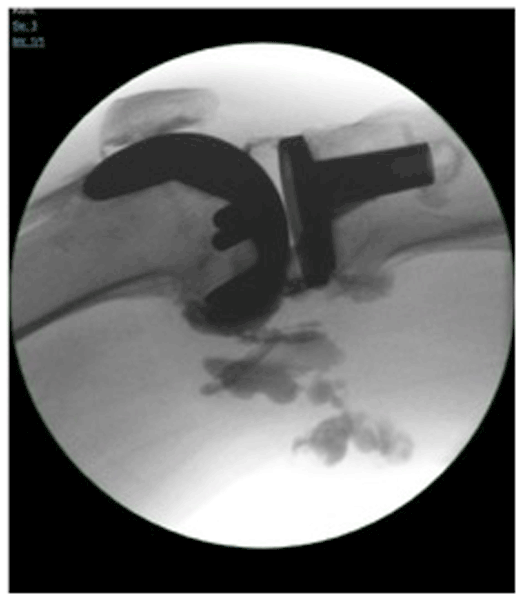
We report on an 83-year-old woman who had an open removal of a baker's cyst several months after total knee arthroplasty. The following wound healing problem was first misinterpreted as being superficial. With an injection of methylene blue and a contrast medium, we showed the extent of the sinus tract, proving the periprosthetic joint infection.
Cited articles
Alt, V., McNally, M., Wouthuyzen-Bakker, M., Metsemakers, W.-J., Marais, L., Zalavras, C., and Morgenstern, M.: The FRI classification – A new classification of fracture-related infections, Injury, 55, 111831, https://doi.org/10.1016/j.injury.2024.111831, 2024.
Baker, J. F., Vioreanu, M. H., and Harty, J. A.: Clostridium Perfringens Infection Complicating Periprosthetic Fracture Fixation about the Hip: Successful Treatment with Early Aggressive Debridement, HIP Int., 22, 122–125, https://doi.org/10.5301/HIP.2012.9046, 2012.
Barberis, L., Abdelrahman, T., Driscoll, D. A., Dašcı, M. F., Gehrke, T., and Citak, M.: Unexpected Positive Cultures in Hip and Knee Periprosthetic Fractures, J. Arthroplasty, 39, 1834–1839, https://doi.org/10.1016/j.arth.2024.01.030, 2024.
Bonacker, J., Darowski, M., Haar, P., Westphal, T., and Bergschmidt, P.: Periprosthetic Tibial Fracture with Nonunion and Ascending Prosthetic Joint Infection: A Case Report of an Individual Treatment Strategy, J. Orthop. Case Rep., 8, 3–8, https://doi.org/10.13107/jocr.2250-0685.1232, 2018.
Bottner, F., Götze, C., Koller, A., Steinbeck, J., Winkelmann, W., and Gosheger, G.: Creation of an Above-the-knee Amputation Stump After Hip Disarticulation for Severe Periprosthetic Infection and Fracture: A Report of Two Cases, J. Bone Joint Surg., 87, 410–413, https://doi.org/10.2106/jbjs.d.01948, 2005.
Buijs, M. A. S., Van Den Kieboom, J., Sliepen, J., Wever, K. L. H., Van Breugel, J. M., Hietbrink, F., IJpma, F. F. A., and Govaert, G. A. M.: Outcome and risk factors for recurrence of early onset fracture-related infections treated with debridement, antibiotics and implant retention: Results of a large retrospective multicentre cohort study, Injury, 53, 3930–3937, https://doi.org/10.1016/j.injury.2022.10.017, 2022.
Cabral, R.: Infection in Periprosthetic Hip Fractures, HIP Int., 22, 79–82, https://doi.org/10.5301/HIP.2012.9575, 2012.
Chevillotte, C. J., Ali, M. H., Trousdale, R. T., Larson, D. R., Gullerud, R. E., and Berry, D. J.: Inflammatory Laboratory Markers in Periprosthetic Hip Fractures, J. Arthroplasty, 24, 722–727, https://doi.org/10.1016/j.arth.2008.05.026, 2009.
Duong, T., Duong, T., Tu, D., Quyen, Tan, H., and Hung, T.: Combinational Periprosthetic Hip Joint Infection and Fracture: A Two-Stage Revision with Long Femoral Stem Spacers, Malays. Orthop. J., 19, 31–38, https://doi.org/10.5704/MOJ.2503.005, 2025.
El Khassawna, T., Knapp, G., Scheibler, N., Malhan, D., Walter, N., Biehl, C., Alt, V., Heiss, C., and Rupp, M.: Mortality, Risk Factors and Risk Assessment after Periprosthetic Femoral Fractures – A Retrospective Cohort Study, J. Clin. Med., 10, 4324, https://doi.org/10.3390/jcm10194324, 2021.
Faggiani, M., Zugnoni, M., Olivero, M., Risitano, S., Malizia, G., Scabini, S., Capella, M., Artiaco, S., Sanfilippo, S., and Massè, A.: Personalized Approaches to Diagnostic and Therapeutic Strategies in Periprosthetic Fracture-Related Infections (PFRIs): Case Series and Literature Review, J. Personal. Med., 15, 576, https://doi.org/10.3390/jpm15120576, 2025.
Font-Vizcarra, L., Izquierdo, O., García-Nuño, L., González, A., Diaz-Brito, V., and Castellanos, J.: Use of Cemented Spacer with a Handmade Stem to Treat Acute Periprosthetic Tibial Fracture Infection: A Case Report, Open Orthop. J., 8, 24–26, https://doi.org/10.2174/1874325001408010024, 2014.
Hagen, J., Chansky, H., Nork, S. E., and Taitsman, L. A.: Salvage of an Infected Periprosthetic Failed Fracture Fixation in a Nonagenarian, Geriatr. Orthop. Surg. Rehabil., 4, 39–42, https://doi.org/10.1177/2151458513502727, 2013.
Hao, L.-J., Wen, P.-F., Zhang, Y.-M., Song, W., Chen, J., and Ma, T.: Treatment of periprosthetic knee infection and coexistent periprosthetic fracture: A case report and literature review, World J. Clin. Cases, 11, 2321–2328, https://doi.org/10.12998/wjcc.v11.i10.2321, 2023.
Jaschke, M., Goumenos, S., Perka, C., Stöckle, U., Trampuz, A., and Meller, S.: Periprosthetic fracture in the setting of periprosthetic joint infection of the hip: evaluation and management of a single-centre cohort with forty six patients, Int. Orthopaed., 49, 2463–2471, https://doi.org/10.1007/s00264-025-06636-8, 2025.
Kamath, A. F., Austin, D., and Lee, G.-C.: Mating of a Prostalac Spacer with an Intramedullary Nail for Reconstruction of an Infected Interprosthetic Femoral Shaft Fracture: A Case Report, J. Orthop. Surg. (Hong Kong), 20, 263–268, https://doi.org/10.1177/230949901202000228, 2012.
Karczewski, D., Müllner, M., Hipfl, C., Perka, C., and Müller, M.: Two-stage exchange for PJI with co-existing cerclages for fracture: higher rates of early re-infections and difficult to treat microbes, Arch. Orthop. Trauma Surg., https://doi.org/10.1007/s00402-022-04361-0, 2022.
Keller, D. M., Pizzo, R. A., Patel, J. N., Viola, A., Yoon, R. S., and Liporace, F. A.: Use of antibiotic-cement coated locking plates in the setting of periprosthetic infection and infected nonunion, Injury, 53, 2567–2572, https://doi.org/10.1016/j.injury.2022.03.040, 2022.
Kim, Y., Katsura, Y., Kasahara, N., Kasahara, T., Kanamura, M., and Kawanabe, K.: Temporary total hip arthroplasty-like spacer for treating an infected periprosthetic femoral fracture using a long stem: A case report, Int. J. Surg. Case Rep., 34, 115–118, https://doi.org/10.1016/j.ijscr.2017.03.026, 2017.
Konan, S., Rayan, F., Manketelow, A. R. J., and Haddad, F. S.: The Use of Interlocking Prostheses for Both Temporary and Definitive Management of Infected Periprosthetic Femoral Fractures, J. Arthroplasty, 26, 1332–1337, https://doi.org/10.1016/j.arth.2010.11.021, 2011.
Kraus, J., Krausová, V., Bartoš, H., and Novotný, T.: Revision Arthroplasty for Periprosthetic Femoral Fracture Complicated by Multidrug-Resistant Escherichia coli: Case Report and Minireview, Acta Chir. Orthop. Traumatol. Cech., 92, 293–297, https://doi.org/10.55095/achot2025/026, 2025.
Lazic, I., Burdach, A., Pohlig, F., Von Eisenhart-Rothe, R., and Suren, C.: Utility of synovial calprotectin lateral flow test to exclude chronic prosthetic joint infection in periprosthetic fractures: a prospective cohort study, Sci. Rep., 12, 18385, https://doi.org/10.1038/s41598-022-22892-9, 2022.
Liebs, T. R., Splietker, F., and Hassenpflug, J.: Is a Revision a Revision? An Analysis of National Arthroplasty Registries' Definitions of Revision, Clin. Orthop. Relat. Res., 473, 3421–3430, https://doi.org/10.1007/s11999-015-4255-4, 2015.
Luyckx, L., Somers, J. F. A., Cokelaere, K., Deloose, S., Delrue, G., and Hermans, L.: Intraoperative frozen section histopathology for the diagnosis of periprosthetic joint infection in hip revision surgery: the influence of recent dislocation and/or periprosthetic fracture, HIP Int., 32, 87–93, https://doi.org/10.1177/1120700020933993, 2022.
Maceroli, M. A., Yoon, R. S., and Liporace, F. A.: Use of Antibiotic Plates and Spacers for Fracture in the Setting of Periprosthetic Infection, J. Orthop. Trauma, 33, S21–S24, https://doi.org/10.1097/BOT.0000000000001570, 2019.
Matsuno, Y., Takegami, Y., Tokutake, K., Takami, H., Kurokawa, H., Iwata, M., Terasawa, S., Yamauchi, K., and Imagama, S.: Incidence and Risk Factors for Fracture-Related Infection After Peri-Prosthetic Femoral Fractures: A Multicenter Retrospective Study (TRON Group Study), Surg. Infect., 24, 433–439, https://doi.org/10.1089/sur.2022.347, 2023.
McNally, M., Sousa, R., Wouthuyzen-Bakker, M., Chen, A. F., Soriano, A., Vogely, H. C., Clauss, M., Higuera, C. A., and Trebše, R.: The EBJIS definition of periprosthetic joint infection: a practical guide for clinicians, Bone Joint J., 103-B, 18–25, https://doi.org/10.1302/0301-620X.103B1.BJJ-2020-1381.R1, 2021.
Metsemakers, W. J., Morgenstern, M., McNally, M. A., Moriarty, T. F., McFadyen, I., Scarborough, M., Athanasou, N. A., Ochsner, P. E., Kuehl, R., Raschke, M., Borens, O., Xie, Z., Velkes, S., Hungerer, S., Kates, S. L., Zalavras, C., Giannoudis, P. V., Richards, R. G., and Verhofstad, M. H. J.: Fracture-related infection: A consensus on definition from an international expert group, Injury, 49, 505–510, https://doi.org/10.1016/j.injury.2017.08.040, 2018.
Miettinen, S., Sund, R., Törmä, S., and Kröger, H.: How Often Do Complications and Mortality Occur After Operatively Treated Periprosthetic Proximal and Distal Femoral Fractures? A Register-based Study, Clin. Orthop. Relat. Res., 481, 1940–1949, https://doi.org/10.1097/CORR.0000000000002638, 2023.
Moreta, J., Uriarte, I., Bidea, I., Foruria, X., Legarreta, M. J., and Etxebarría-Foronda, I.: High mortality rate following periprosthetic femoral fractures after total hip arthroplasty. A multicenter retrospective study, Injury, 52, 3022–3027, https://doi.org/10.1016/j.injury.2021.01.035, 2021.
Morgenstern, M., Kuehl, R., Zalavras, C. G., McNally, M., Zimmerli, W., Burch, M. A., Vandendriessche, T., Obremskey, W. T., Verhofstad, M. H. J., and Metsemakers, W. J.: The influence of duration of infection on outcome of debridement and implant retention in fracture-related infection: a systematic review and critical appraisal, Bone Joint J., 103-B, 213–221, https://doi.org/10.1302/0301-620X.103B2.BJJ-2020-1010.R1, 2021.
Müller, M., Winkler, T., Märdian, S., Trampuz, A., Renz, N., Perka, C., and Karczewski, D.: The worst-case scenario: treatment of periprosthetic femoral fracture with coexistent periprosthetic infection – a prospective and consecutive clinical study, Arch. Orthop. Trauma Surg., 139, 1461–1470, https://doi.org/10.1007/s00402-019-03263-y, 2019.
Muñoz-Mahamud, E., Bori, G., García, S., Ramírez, J., Riba, J., and Soriano, A.: Usefulness of Histology for Predicting Infection at the Time of Hip Revision for the Treatment of Vancouver B2 Periprosthetic Fractures, J. Arthroplasty, 28, 1247–1250, https://doi.org/10.1016/j.arth.2012.12.016, 2013.
Nasser, M., Sharma, N., and Shewell, P.: Two-stage Revision for Salmonella-infected Total Hip Replacement, Complicated by a Periprosthetic Fracture, J. Orthop. Case Rep., 10, 109–113, 2020.
Otten, M. R., Kildow, B. J., Sayles, H. R., Drummond, D., and Garvin, K. L.: Two-Stage Reimplantation of a Prosthetic Hip Infection: Systematic Review of Long-Term Reinfection and Pathogen Outcomes, J. Arthroplasty, 36, 2630–2641, https://doi.org/10.1016/j.arth.2021.02.046, 2021.
Pang, H.-N., Seah, R. B., and MacDonald, S. J.: Treatment of infected nonunion total knee arthroplasty periprosthetic fracture using a stemmed articulating spacer, Knee, 22, 440–442, https://doi.org/10.1016/j.knee.2015.06.015, 2015.
Parvizi, J. and Gehrke, T.: Definition of Periprosthetic Joint Infection, J. Arthroplasty, 29, 1331, https://doi.org/10.1016/j.arth.2014.03.009, 2014.
Pollock, D., Peters, M. D. J., Khalil, H., McInerney, P., Alexander, L., Tricco, A. C., Evans, C., De Moraes, É. B., Godfrey, C. M., Pieper, D., Saran, A., Stern, C., and Munn, Z.: Recommendations for the extraction, analysis, and presentation of results in scoping reviews, JBI Evid. Synthes., 21, 520–532, https://doi.org/10.11124/JBIES-22-00123, 2023.
Preston, S., Somerville, L., Lanting, B., and Howard, J.: Are Nucleated Cell Counts Useful in the Diagnosis of Infection in Periprosthetic Fracture?, Clin. Orthop. Relat. Res., 473, 2238–2243, https://doi.org/10.1007/s11999-015-4162-8, 2015.
Ramos, M. S., Benyamini, B., Kompala, V., Khan, S. T., Kunze, K. N., McLaughlin, J. P., Visperas, A., and Piuzzi, N. S.: Periprosthetic Joint Infection Mortality After Total Hip Arthroplasty Is Comparable to 5-Year Rates of Common Cancers: A Meta-Analysis, J. Arthroplasty, 40, 2697–2705.e2, https://doi.org/10.1016/j.arth.2025.04.036, 2025.
Ramos, M. S., Benyamini, B., Kompala, V., Khan, S. T., Kunze, K. N., Visperas, A., Surace, P. A., and Piuzzi, N. S.: Mortality after an infected total knee arthroplasty, Bone Joint J., 108, 177–184, https://doi.org/10.1302/0301-620X.108B2.BJJ-2025-0106.R1, 2026.
Reinert, N., Bessems, L., Onsea, J., McNally, M., Alt, V., Zalavras, C., Wouthuyzen-Bakker, M., Obremskey, W., Verhofstad, M., Marais, L., Metsemakers, W.-J., and Morgenstern, M.: Defining treatment outcome in fracture-related infections: A scoping review, Injury, 56, 112563, https://doi.org/10.1016/j.injury.2025.112563, 2025a.
Reinert, N., Bessems, L., Onsea, J., Metsemakers, W.-J., and Morgenstern, M.: Protocol: Infection in periprosthetic fractures: a map and scoping review of the current state of the art in treatment and diagnostics, OSF, https://doi.org/10.17605/OSF.IO/9PX5J, 2025b.
Rorabeck, C. H. and Taylor, J. W.: Classification of periprosthetic fractures complicating total knee arthroplasty, Orthop. Clin. North Am., 30, 209–214, https://doi.org/10.1016/s0030-5898(05)70075-4, 1999.
Rupp, M., Kern, S., Walter, N., Anastasopoulou, L., Schnettler, R., Heiss, C., and Alt, V.: Surgical treatment outcome after serial debridement of infected nonunion – A retrospective cohort study, Eur. J. Orthop. Surg. Traumatol., 32, 183–189, https://doi.org/10.1007/s00590-021-02930-4, 2022.
Sassoon, A. A., Nelms, N. J., and Trousdale, R. T.: Intraoperative Fracture During Staged Total Knee Reimplantation in the Treatment of Periprosthetic Infection, J. Arthroplasty, 29, 1435–1438, https://doi.org/10.1016/j.arth.2014.01.021, 2014.
Schopper, C., Luger, M., Hipmair, G., Schauer, B., Gotterbarm, T., and Klasan, A.: The race for the classification of proximal periprosthetic femoral fractures: Vancouver vs Unified Classification System (UCS) – a systematic review, BMC Musculoskelet. Disord., 23, 280, https://doi.org/10.1186/s12891-022-05240-w, 2022.
Schwab, J. H., Pagnano, M., Haidukewych, G. J., and Trousdale, R.: A technique for treating periprosthetic fractures of the femur associated with deep prosthetic infection, J. Arthroplasty, 18, 211–215, https://doi.org/10.1054/arth.2003.50044, 2003.
Shah, R. P., Plummer, D. R., Moric, M., Sporer, S. M., Levine, B. R., and Della Valle, C. J.: Diagnosing Infection in the Setting of Periprosthetic Fractures, J. Arthroplasty, 31, 140–143, https://doi.org/10.1016/j.arth.2015.08.045, 2016.
Sherman, S. L., Cunneen, K. P., Walcott-Sapp, S., Brause, B., and Westrich, G. H.: Custom Total Femur Spacer and Second-Stage Total Femur Arthroplasty as a Novel Approach to Infection and Periprosthetic Fracture, J. Arthroplasty, 23, 781–786, https://doi.org/10.1016/j.arth.2007.05.027, 2008.
Sigmund, I. K., Dudareva, M., Watts, D., Morgenstern, M., Athanasou, N. A., and McNally, M. A.: Limited diagnostic value of serum inflammatory biomarkers in the diagnosis of fracture-related infections, Bone Joint J., 102, 904–911, https://doi.org/10.1302/0301-620X.102B7.BJJ-2019-1739.R1, 2020.
Sigmund, I. K., Ferry, T., Sousa, R., Soriano, A., Metsemakers, W.-J., Clauss, M., Trebse, R., and Wouthuyzen-Bakker, M.: Debridement, antimicrobial therapy, and implant retention (DAIR) as curative strategy for acute periprosthetic hip and knee infections: a position paper of the European Bone & Joint Infection Society (EBJIS), J. Bone Joint Infect., 10, 101–138, https://doi.org/10.5194/jbji-10-101-2025, 2025.
Tricco, A. C., Lillie, E., Zarin, W., O'Brien, K. K., Colquhoun, H., Levac, D., Moher, D., Peters, M. D. J., Horsley, T., Weeks, L., Hempel, S., Akl, E. A., Chang, C., McGowan, J., Stewart, L., Hartling, L., Aldcroft, A., Wilson, M. G., Garritty, C., Lewin, S., Godfrey, C. M., Macdonald, M. T., Langlois, E. V., Soares-Weiser, K., Moriarty, J., Clifford, T., Tunçalp, Ö., and Straus, S. E.: PRISMA Extension for Scoping Reviews (PRISMA-ScR): Checklist and Explanation, Ann. Intern. Med., 169, 467–473, https://doi.org/10.7326/M18-0850, 2018.
Van Den Kieboom, J., Bosch, P., J. Plate, J. D., A. IJpma, F. F., Kuehl, R., McNally, M. A., Metsemakers, W.-J., and M. Govaert, G. A.: Diagnostic accuracy of serum inflammatory markers in late fracture-related infection: a systematic review and meta-analysis, Bone Joint J., 100-B, 1542–1550, https://doi.org/10.1302/0301-620X.100B12.BJJ-2018-0586.R1, 2018.
Van Den Kieboom, J., Tirumala, V., Xiong, L., Klemt, C., and Kwon, Y.-M.: Concomitant Hip and Knee Periprosthetic Joint Infection in Periprosthetic Fracture: Diagnostic Utility of Serum and Synovial Fluid Markers, J. Arthroplasty, 36, 722–727, https://doi.org/10.1016/j.arth.2020.08.029, 2021.
Walter, N., Szymski, D., Kurtz, S. M., Alt, V., Lowenberg, D. W., Lau, E. C., and Rupp, M.: What Are the Mortality, Infection, and Nonunion Rates After Periprosthetic Femoral Fractures in the United States?, Clin. Orthop. Relat. Res., 482, 471–483, https://doi.org/10.1097/CORR.0000000000002825, 2024.
Zagra, L., Alessio-Mazzola, M., D'Andrea, G., Placella, G., Anzano, F., and Salini, V.: Management of infected periprosthetic fracture of hip and knee: a systematic review of the literature, EFORT Open Rev., 11, 536–544, https://doi.org/10.1530/EOR-2025-0278, 2026.
Zimmerli, W., Trampuz, A., and Ochsner, P. E.: Prosthetic-Joint Infections, N. Engl. J. Med., 351, 1645–54, https://doi.org/10.1056/NEJMra040181, 2004.
Short summary
Infected periprosthetic fractures are severe complications in orthopedic surgery with difficult management and high failure rates. This review of 32 studies (273 patients) found limited diagnostic reliability, frequent use of staged revision surgery, and high rates of recurrent infection (21 %) and revision surgeries. Current evidence is sparse and inconsistent, highlighting the need for standardized diagnostics and larger-prospective studies.
Infected periprosthetic fractures are severe complications in orthopedic surgery with difficult...


