Articles | Volume 11, issue 4
https://doi.org/10.5194/jbji-11-401-2026
© Author(s) 2026. This work is distributed under
the Creative Commons Attribution 4.0 License.
the Creative Commons Attribution 4.0 License.
https://doi.org/10.5194/jbji-11-401-2026
© Author(s) 2026. This work is distributed under
the Creative Commons Attribution 4.0 License.
the Creative Commons Attribution 4.0 License.
Original full-length article
| 
09 Jul 2026
Original full-length article |
| 09 Jul 2026
| 09 Jul 2026
Management of fracture-related infection in low-resource settings in Africa: recommendations and guidelines from an international expert group
Loïc Fonkoué
Department of Orthopedics and Trauma, Yaoundé General Hospital, Yaounde, Cameroon
Department of surgery and specialties, University of Yaounde 1, Yaounde, Cameroon
Experimental and clinical research institute, Université Catholique de Louvain, Brussels, Belgium
Elizabeth K. Tissingh
CORRESPONDING AUTHOR

Royal National Orthopedic Hospital NHS TRUST, London, UK
King's Global Health Partnerships, School of Life Course and Population Sciences, King's College London, London, UK
Leonard C. Marais
Department of Orthopaedics, School of Medicine, University of KwaZulu-Natal, Durban, South Africa
Mbonisi Malaba
Kijabe Medical Centre, Kijabe, Kenya
Kidanemariam Abrha
Ayder Comprehensive Specialized Hospital, Mekelle University College of Health Science, Mekelle, Ethiopia
Jamie Ferguson
Bone Infection Unit, Nuffield Orthopaedic Centre, Oxford University Hospitals, Oxford, UK
Mario Morgenstern
Center for Musculoskeletal Infections (ZMSI), University Hospital Basel, Basel, Switzerland
Deformity Correction and Bone Healing Unit (DBU-Basel), Department of Orthopedic and Trauma Surgery, University Hospital Basel, Basel, Switzerland
Olivier Cornu
Orthopaedic and Trauma Department, University Hospital Saint-Luc UCL 1200 – Brussels, Belgium
Neuromuskuloskeletal Laboratory (NMSK), Clinical and experimental Research Institute (IREC), UCLouvain, 1200 Brussels, Belgium
Maritz Laubscher
Orthopaedic Research Unit (ORU), Groote Schuur Hospital, University of Cape Town, South Africa
Randy Buzisa Mbuku
Orthopaedic and Trauma Department, University Hospital Saint-Luc UCL 1200 – Brussels, Belgium
Université Catholique de Louvain, Louvain Drug Research Institute, Pharmacologie cellulaire et moléculaire, Brussels, Belgium
George W. Galiwango
CORSU Rehabilitation Hospital, Kisubi, Uganda
Matthijs Botman
Amsterdam University Medical Centre, Amsterdam, the Netherlands
Global Surgery Amsterdam, University of Amsterdam, Amsterdam, the Netherlands
Justyna Wojno
Lancet laboratories, Microbiology Department, Cape Town, South Africa
Mtebe Venance Majigo
Muhimbili University of Health and Allied Sciences, Dar es Salaam, Tanzania
Claude Martin Jr.
AO Alliance Foundation Chur, Chur, Switzerland
William James Harrison
AO Alliance Foundation Chur, Chur, Switzerland
Countess of Chester NHS Foundation Trust, Chester, United Kingdom
Alexander Thomas Schade
Malawi-Liverpool-Wellcome Trust, Blantyre, Malawi
University Hospitals Coventry and Warwickshire, Coventry, United Kingdom
Kebba Marenah
School of Medicine and Allied Health Sciences, University of the Gambia, Banjul, Gambia
Malvern Nyamutora
Parirenyatwa Hospital, Harare, Zimbabwe
Phiona E. Namale
Division of Infectious Diseases and HIV Medicine, Department of Medicine, University of Cape Town, Cape Town, South Africa
Vuyisa Mdingi
Department of Orthopaedics, School of Medicine, University of KwaZulu-Natal, Durban, South Africa
Martin McNally
Bone Infection Unit, Nuffield Orthopaedic Centre, Oxford University Hospitals, Oxford, UK
Related authors
No articles found.
Markus Luger, Martin McNally, Lukas Rabitsch, Reinhard Windhager, Richard Lass, and Irene Katharina Sigmund
J. Bone Joint Infect., 11, 305–313, https://doi.org/10.5194/jbji-11-305-2026, https://doi.org/10.5194/jbji-11-305-2026, 2026
Short summary
Short summary
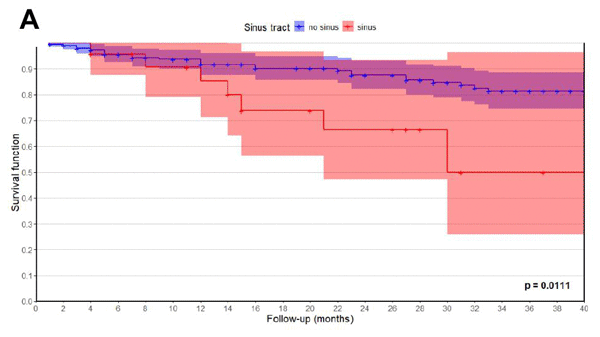
Sinus tracts communicating with the prosthesis demonstrated high specificity and support their use as a confirmatory criterion for periprosthetic joint infection (PJI). Purulence also showed high specificity but may be better considered to be a suggestive criterion due to challenges in clinical differentiation. Both findings were associated with distinct microbiological patterns and less favourable outcomes, highlighting their clinical relevance.
Willem-Jan Metsemakers, Austin T. Fragomen, Mario Morgenstern, Steffen B. Rosslenbroich, Stephen M. Quinnan, Pablo S. Corona, Mitchell Bernstein, and Kevin Tetsworth
J. Bone Joint Infect., 11, 191–206, https://doi.org/10.5194/jbji-11-191-2026, https://doi.org/10.5194/jbji-11-191-2026, 2026
Short summary
Short summary
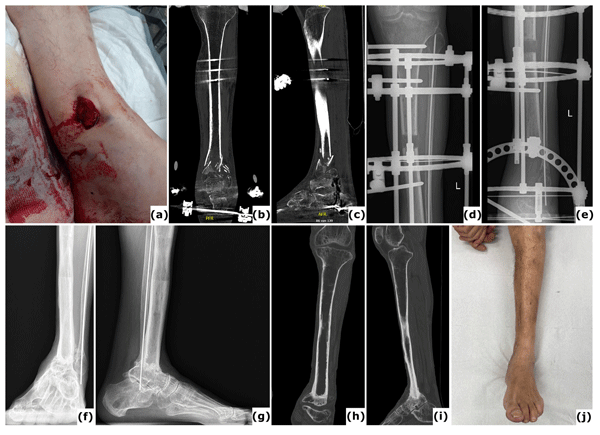
Segmental bone loss remains a major challenge, often worsened by fracture-related infection (FRI). Surgical debridement and tissue cultures are key initial steps. Bone transport, utilizing distraction osteogenesis, remains a key therapeutic strategy. Innovations like integrated fixation and motorized nails reduce patient morbidity. Management relies on a multidisciplinary approach. This review explores current and emerging concepts in the field of bone transport, focusing on FRI.
Christian Merz, Jan Klaas, Rik Osinga, Parham Sendi, Richard Alexander Kuehl, Mario Morgenstern, and Martin Clauss
J. Bone Joint Infect., 11, 113–121, https://doi.org/10.5194/jbji-11-113-2026, https://doi.org/10.5194/jbji-11-113-2026, 2026
Short summary
Short summary
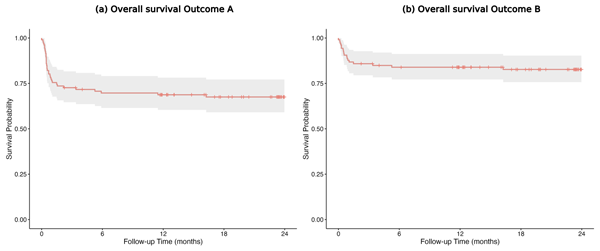
Founded in 2019, the Center for Musculoskeletal Infections at University Hospital Basel was established to implement standardized, multidisciplinary care for orthopaedic and trauma-related infections. This retrospective analysis of hip and knee periprosthetic joint infections (2019–2022) illustrates the feasibility and effectiveness of this structured approach, with infection control achieved in the majority of patients despite case complexity.
Loïc Fonkoué, Elizabeth K. Tissingh, Cilia Ngang, Olivier Kennedy Muluem, Jasmine Sibatcheu Simo, Richard Douvamai, Jean Bahebeck, Olivier Cornu, and Martin McNally
J. Bone Joint Infect., 11, 53–63, https://doi.org/10.5194/jbji-11-53-2026, https://doi.org/10.5194/jbji-11-53-2026, 2026
Short summary
Short summary
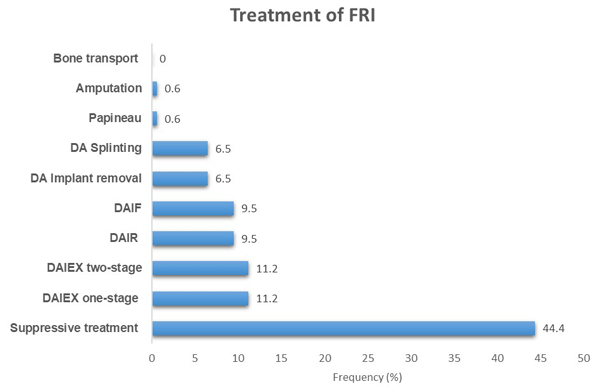
This study assessed whether the diagnosis and management of fracture-related infections (FRIs) in a low- and middle-income countries (LMICs) currently align with consensus guidelines. We found that two-thirds of cases are managed outside the international guidelines. While the consensus definition is applicable, diagnostic capacity remains limited and microbiological standards are often impractical. Our findings highlight the need to adapt guidelines to local realities and to strengthen capacity in LMICs.
Liselot Vandenbergen, Diego Castanares Zapatero, Sébastien Briol, Alexia Verroken, Leila Belkhir, Olivier Cornu, and Jean Cyr Yombi
J. Bone Joint Infect., 11, 5–13, https://doi.org/10.5194/jbji-11-5-2026, https://doi.org/10.5194/jbji-11-5-2026, 2026
Short summary
Short summary
Staphylococcus aureus bloodstream infection can cause serious complications such as bone and joint involvement. We reviewed 489 cases (2017–2022) at a Brussels tertiary hospital to identify risk factors. Prolonged bacteremia and community acquisition increased the risk, while active cancer and intensive-care stay reduced it. This study highlights the burden of bone and joint infections in Staphylococcus aureus bloodstream infection.
Josefine Slater, Maiken Stilling, Andreas Engel Krag, Sara Kousgaard Tøstesen, Mads Kristian Duborg Mikkelsen, Martin McNally, Alexander James Ramsden, Louise Kruse Jensen, Birgitte Jul Kiil, and Mats Bue
J. Bone Joint Infect., 10, 597–607, https://doi.org/10.5194/jbji-10-597-2025, https://doi.org/10.5194/jbji-10-597-2025, 2025
Short summary
Short summary
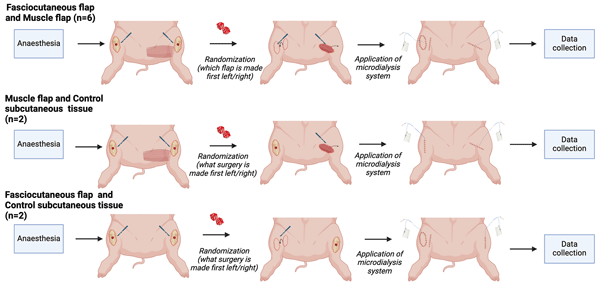
We developed a pig model to study how different tissue flaps support the healing microenvironment of lower-leg composite defects. By measuring tissue metabolism and examining tissue samples under the microscope, we found distinct early responses between muscle and fascia-based flaps. This model may help researchers and clinicians better understand the healing of complex bone and soft-tissue defects and may provide a platform for evaluating clinically relevant ortho-plastic outcomes.
Antonio Loro, Fulvio Franceschi, Muhumuza M. Fisha, Emmanuel Ewochu, Geoffrey Mwanje, Annamaria Dal Lago, and Martin McNally
J. Bone Joint Infect., 10, 155–163, https://doi.org/10.5194/jbji-10-155-2025, https://doi.org/10.5194/jbji-10-155-2025, 2025
Short summary
Short summary
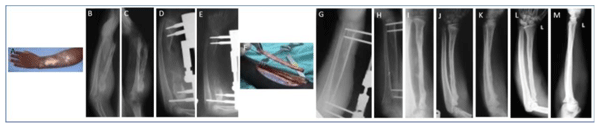
This retrospective study shows that autogenous non-vascularized bone graft is a viable option for managing post-osteomyelitis bone defects in children in low-resource settings. Bone union was achieved in all cases at the last follow-up (minimum of 7 years). Recurrence of infection was seen in two cases. Studies into this specific technique are important as it does not require super-specialized centres or skills, both of which are scarce in low-resource settings.
Alexandra Wallimann, Yvonne Achermann, Ciara Ferris, Mario Morgenstern, Martin Clauss, Vincent Stadelmann, Hannes Andreas Rüdiger, Liam O'Mahony, and Thomas Fintan Moriarty
J. Bone Joint Infect., 9, 191–196, https://doi.org/10.5194/jbji-9-191-2024, https://doi.org/10.5194/jbji-9-191-2024, 2024
Short summary
Short summary
Skin commensal bacteria such as staphylococci are often the source of orthopaedic-device-related infections. Rifampicin is a widely used antibiotic in the treatment of these infections. The results of this study show that oral rifampicin therapy leads to a consistent and persistent induction of resistance in commensal staphylococci on the skin and in the nose for a prolonged time.
Noémie Reinert, Katinka Wetzel, Fabian Franzeck, Mario Morgenstern, Markus Aschwanden, Thomas Wolff, Martin Clauss, and Parham Sendi
J. Bone Joint Infect., 9, 183–190, https://doi.org/10.5194/jbji-9-183-2024, https://doi.org/10.5194/jbji-9-183-2024, 2024
Short summary
Short summary
We assessed concordance of in-house guidelines for diagnostic principles and antibiotic treatment duration (ABT) 2 years after their implementation. The goal was to standardize diagnostic and treatment principles: are we doing what we recommend? The adherence to recommendations in terms of biopsy sampling was good, moderate for histopathology and poor for anatomic labeling. In terms of ABT duration, the adherence was good, but further shortening for surgically cured cases is necessary.
Leonard C. Marais, Luan Nieuwoudt, Adisha Nansook, Aditya Menon, and Natividad Benito
J. Bone Joint Infect., 8, 189–207, https://doi.org/10.5194/jbji-8-189-2023, https://doi.org/10.5194/jbji-8-189-2023, 2023
Short summary
Short summary
Tuberculosis (TB) primarily involves the lungs, but it may spread to other sites including joints. TB arthritis, is relatively rare, but it can result in severe damage to the joint and, ultimately, significant functional impairment. This article reviews the current literature on the topic and identifies key areas where further scientific research is needed to improve the diagnosis and management of the disease.
Asanka Wijendra, Alex Ramsden, and Martin McNally
J. Bone Joint Infect., 8, 183–188, https://doi.org/10.5194/jbji-8-183-2023, https://doi.org/10.5194/jbji-8-183-2023, 2023
Short summary
Short summary
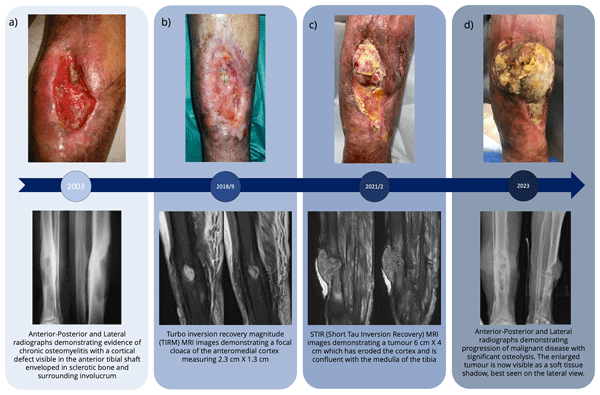
Cancerous transformation is a rare but potentially life-threatening complication of chronic bone infection. As with all forms of cancer, early detection and diagnosis is crucial to outcome.
Whilst there have been over 100 cases of chronic bone infection with cancerous transformation reported in the literature between 1999 and 2020, this is the first case report to document transformation with 20 years of concordant imaging and clinical review.
Niels Vanvelk, Esther M. M. Van Lieshout, Jolien Onsea, Jonathan Sliepen, Geertje Govaert, Frank F. A. IJpma, Melissa Depypere, Jamie Ferguson, Martin McNally, William T. Obremskey, Charalampos Zalavras, Michael H. J. Verhofstad, and Willem-Jan Metsemakers
J. Bone Joint Infect., 8, 133–142, https://doi.org/10.5194/jbji-8-133-2023, https://doi.org/10.5194/jbji-8-133-2023, 2023
Short summary
Short summary
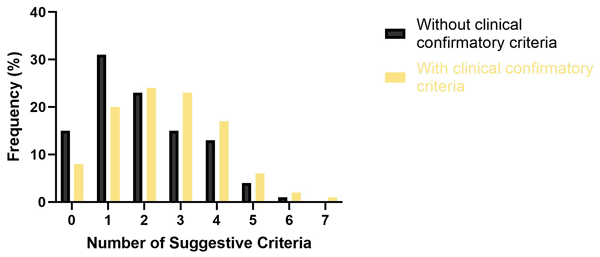
This international retrospective cohort study displays the diagnostic characteristics of 609 patients who were treated for fracture-related infection (FRI). Clinical confirmatory criteria were present in 77% of patients. In the remaining patients, the decision to operatively collect deep tissue cultures had to be based on a set of suggestive criteria. The combined use of these suggestive criteria should guide treating physicians in the management pathway of FRI.
Christen Ravn, Jeroen Neyt, Natividad Benito, Miguel Araújo Abreu, Yvonne Achermann, Svetlana Bozhkova, Liselotte Coorevits, Matteo Carlo Ferrari, Karianne Wiger Gammelsrud, Ulf-Joachim Gerlach, Efthymia Giannitsioti, Martin Gottliebsen, Nis Pedersen Jørgensen, Tomislav Madjarevic, Leonard Marais, Aditya Menon, Dirk Jan Moojen, Markus Pääkkönen, Marko Pokorn, Daniel Pérez-Prieto, Nora Renz, Jesús Saavedra-Lozano, Marta Sabater-Martos, Parham Sendi, Staffan Tevell, Charles Vogely, Alex Soriano, and the SANJO guideline group
J. Bone Joint Infect., 8, 29–37, https://doi.org/10.5194/jbji-8-29-2023, https://doi.org/10.5194/jbji-8-29-2023, 2023
Short summary
Short summary
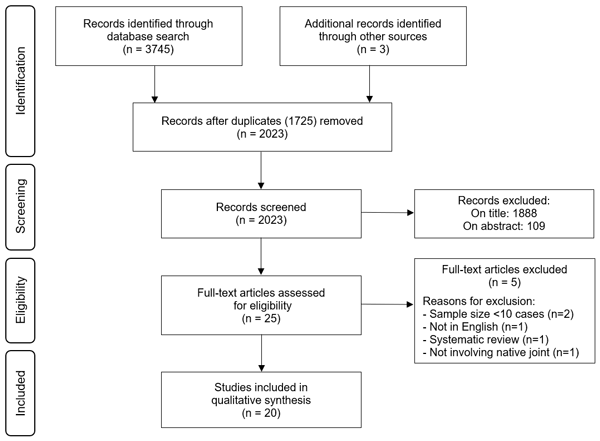
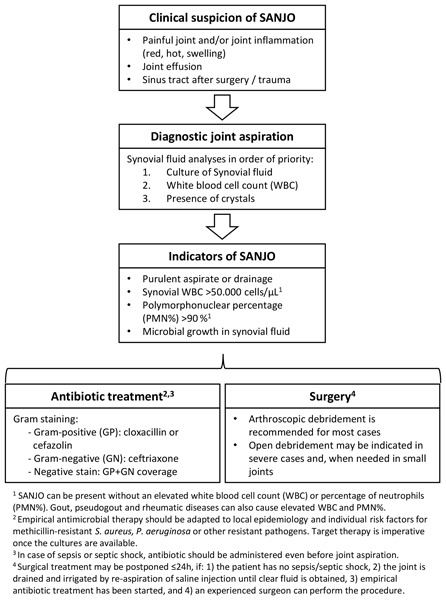
Management of septic arthritis in native joints (SANJO) is often conducted by clinicians of different specialties, experience levels, and at all hours of the day. The SANJO guideline group makes evidence-based recommendations for diagnosis, microbiological investigation, initial surgery, empirical antibiotic treatment, early mobilization, evaluation of outcomes, and treatment failure. Special considerations were made for children, tuberculosis, and SANJO after cruciate ligament reconstruction.
Cited articles
African Consensus for Trauma in Orthopedics: National Standards (ACTIONS): https://ao-alliance.org/actions-clinical-guidelines/#:~:text=The%20ACTIONS%20clinical%20guidelines%20are,the%20treatment%20of%20traumatic%20injuries, last access: 1 December 2025.
AO Alliance: 2025 African Consensus for Trauma in Orthopedics: National Standards (ACTIONS) Clinical Guidelines for Fracture-Related Infections, https://ao-alliance.org/wp-content/uploads/2025/02/clinical-guidelines_fracture-related-infections_2025.pdf, Last access: 1 December 2025a.
AO Alliance: 2020 African Consensus for Trauma in Orthopedics: National Standards (ACTIONS) The Management of Open Tibial Shaft Fractures, https://ao-alliance.org/wp-content/uploads/2025/02/clinical-guidelines_open-tibia-fractures_2020.pdf last access: 1 December 2025b.
Alt, V., McNally, M., Wouthuyzen-Bakker, M., Metsemakers, W. J., Marais, L., Zalavras, C., and Morgenstern, M.: The FRI classification – A new classification of fracture-related infections, Injury, 55, 111831, https://doi.org/10.1016/j.injury.2024.111831, 2024.
Buijs, M. A. S., van den Kieboom, J., Sliepen, J., Wever, K. L. H., van Breugel, J. M., Hietbrink, F., FJpma, I. F. F. A., and Govaert, G. A. M.: Outcome and risk factors for recurrence of early onset fracture-related infections treated with debridement, antibiotics and implant retention: Results of a large retrospective multicentre cohort study, Injury, 53, 3930–3937, https://doi.org/10.1016/j.injury.2022.10.017, 2022.
Cierny, G. and Mader, J. T.: Adult chronic osteomyelitis, Orthopedics, 7, 1557–1564, https://doi.org/10.3928/0147-7447-19841001-07, 1984.
Corrigan, R. A., Sliepen, J., Dudareva, M., Jpma, I. F. F. A., Govaert, G., Atkins, B. L., Rentenaar, R., Wouthuyzen-Bakker, M., and McNally, M.: Causative Pathogens Do Not Differ between Early, Delayed or Late Fracture-Related Infections, Antibiotics (Basel), 11, https://doi.org/10.3390/antibiotics11070943, 2022.
Depypere, M., Kuehl, R., Metsemakers, W. J., Senneville, E., McNally, M. A., Obremskey, W. T., Zimmerli, W., Atkins, B. L., Trampuz, A., and and Fracture-Related Infection Consensus Group: Recommendations for Systemic Antimicrobial Therapy in Fracture-Related Infection: A Consensus From an International Expert Group, J. Orthop. Trauma, 34, 30–41, https://doi.org/10.1097/BOT.0000000000001626, 2020.
Dudareva, M., Hotchen, A. J., Ferguson, J., Hodgson, S., Scarborough, M., Atkins, B. L., and McNally, M. A.: The microbiology of chronic osteomyelitis: Changes over ten years, J. Infection, 79, 189–198, https://doi.org/10.1016/j.jinf.2019.07.006, 2019a.
Dudareva, M., Kumin, M., Vach, W., Kaier, K., Ferguson, J., McNally, M., and Scarborough, M.: Short or Long Antibiotic Regimes in Orthopaedics (SOLARIO): a randomised controlled open-label non-inferiority trial of duration of systemic antibiotics in adults with orthopaedic infection treated operatively with local antibiotic therapy, Trials, 20, 693, https://doi.org/10.1186/s13063-019-3832-3, 2019b.
Dudareva, M., Barrett, L. K., Morgenstern, M., Atkins, B. L., Brent, A. J., and McNally, M. A.: Providing an Evidence Base for Tissue Sampling and Culture Interpretation in Suspected Fracture-Related Infection, J. Bone Joint Surg. Am., 103, 977–983, https://doi.org/10.2106/JBJS.20.00409, 2021.
Ferguson, J., Alexander, M., Bruce, S., O'Connell, M., Beecroft, S., and McNally, M.: A retrospective cohort study comparing clinical outcomes and healthcare resource utilisation in patients undergoing surgery for osteomyelitis in England: a case for reorganising orthopaedic infection services, J. Bone Joint Infect., 6, 151–163, https://doi.org/10.5194/jbji-6-151-2021, 2021.
Fonkoue, L., Tissingh, E. K., Ngouateu, M. T., Muluem, K. O., Ngongang, O., Mbouyap, P., Ngougni Pokem, P., Fotsing, K., Bahebeck, J., McNally, M., and Cornu, O.: The Microbiological Profile and Antibiotic Susceptibility of Fracture Related Infections in a Low Resource Setting Differ from High Resource Settings: A Cohort Study from Cameroon, Antibiotics (Basel), 13, https://doi.org/10.3390/antibiotics13030236, 2024.
Govaert, G. A. M., Kuehl, R., Atkins, B. L., Trampuz, A., Morgenstern, M., Obremskey, W. T., Verhofstad, M. H. J., McNally, M. A., Metsemakers, W. J., and and Fracture-Related Infection Consensus Group: Diagnosing Fracture-Related Infection: Current Concepts and Recommendations, J. Orthop. Trauma, 34, 8–17, https://doi.org/10.1097/BOT.0000000000001614, 2020.
Haynes, A. B., Weiser, T. G., Berry, W. R., Lipsitz, S. R., Breizat, A. H., Dellinger, E. P., Herbosa, T., Joseph, S., Kibatala, P. L., Lapitan, M. C., Merry, A. F., Moorthy, K., Reznick, R. K., Taylor, B., Gawande, A. A., and Safe Surgery Saves Lives Study Group: A surgical safety checklist to reduce morbidity and mortality in a global population, N. Engl. J. Med., 360, 491–499, https://doi.org/10.1056/NEJMsa0810119, 2009.
Hoffmann, A., Hoffmann, J., Ruegamer, T., Jung, N., Wong, R. M. Y., Alt, V., Eysel, P., and Jantsch, J.: New diagnostic techniques for diagnosing facture-related infections, Injury, 55, 111898, https://doi.org/10.1016/j.injury.2024.111898, 2024.
Hotchen, A. J., Dudareva, M., Ferguson, J. Y., Sendi, P., and McNally, M. A.: The BACH classification of long bone osteomyelitis, Bone Joint Res., 8, 459–468, https://doi.org/10.1302/2046-3758.810.BJR-2019-0050.R1, 2019.
Kock, F. W., Basson, T. R., Burger, M. C., and Ferreira, N.: The Effect of Treatment Delays on Fracture-related Infection in Open Tibia Shaft Fractures: A Retrospective Cohort Study, Strategies Trauma Limb. Reconstr., 20, 25–30, https://doi.org/10.5005/jp-journals-10080-1640, 2025.
Lemans, J. V. C., Hobbelink, M. G. G., Jpma, I. F. F. A., Plate, J. D. J., van den Kieboom, J., Bosch, P., Leenen, L. P. H., Kruyt, M. C., Glaudemans, A., and Govaert, G. A. M.: The diagnostic accuracy of (18)F-FDG PET/CT in diagnosing fracture-related infections, Eur. J. Nucl. Med. Mol. I., 46, 999–1008, https://doi.org/10.1007/s00259-018-4218-6, 2019.
Li, H. K., Rombach, I., Zambellas, R., Walker, A. S., McNally, M. A., Atkins, B. L., Lipsky, B. A., Hughes, H. C., Bose, D., Kumin, M., Scarborough, C., Matthews, P. C., Brent, A. J., Lomas, J., Gundle, R., Rogers, M., Taylor, A., Angus, B., Byren, I., Berendt, A. R., Warren, S., Fitzgerald, F. E., Mack, D. J. F., Hopkins, S., Folb, J., Reynolds, H. E., Moore, E., Marshall, J., Jenkins, N., Moran, C. E., Woodhouse, A. F., Stafford, S., Seaton, R. A., Vallance, C., Hemsley, C. J., Bisnauthsing, K., Sandoe, J. A. T., Aggarwal, I., Ellis, S. C., Bunn, D. J., Sutherland, R. K., Barlow, G., Cooper, C., Geue, C., McMeekin, N., Briggs, A. H., Sendi, P., Khatamzas, E., Wangrangsimakul, T., Wong, T. H. N., Barrett, L. K., Alvand, A., Old, C. F., Bostock, J., Paul, J., Cooke, G., Thwaites, G. E., Bejon, P., Scarborough, M., and OVIVA Trial Collaborators: Oral versus Intravenous Antibiotics for Bone and Joint Infection, N. Engl. J. Med., 380, 425–436, https://doi.org/10.1056/NEJMoa1710926, 2019.
Li, L., Mendis, N., Trigui, H., Oliver, J. D., and Faucher, S. P.: The importance of the viable but non-culturable state in human bacterial pathogens, Front. Microbiol., 5, 258, https://doi.org/10.3389/fmicb.2014.00258, 2014.
Marais, L. C., Zalavras, C. G., Moriarty, F. T., Kuhl, R., Metsemakers, W. J., and Morgenstern, M.: The surgical management of fracture-related infection. Surgical strategy selection and the need for early surgical intervention, J. Orthop., 50, 36–41, https://doi.org/10.1016/j.jor.2023.11.033, 2024a.
Marais, L. C., Hungerer, S., Eckardt, H., Zalavras, C., Obremskey, W. T., Ramsden, A., McNally, M. A., Morgenstern, M., Metsemakers, W. J., and F. R. I. Consensus Group: Key aspects of soft tissue management in fracture-related infection: recommendations from an international expert group, Arch. Orthop. Traum. Su., 144, 259–268, https://doi.org/10.1007/s00402-023-05073-9, 2024b.
McNally, M., Govaert, G., Dudareva, M., Morgenstern, M., and Metsemakers, W. J.: Definition and diagnosis of fracture-related infection, EFORT Open Rev., 5, 614–619, https://doi.org/10.1302/2058-5241.5.190072, 2020.
McNally, M., Corrigan, R., Sliepen, J., Dudareva, M., Rentenaar, R., F, I. J., Atkins, B. L., Wouthuyzen-Bakker, M., and Govaert, G.: What Factors Affect Outcome in the Treatment of Fracture-Related Infection?, Antibiotics (Basel), 11, https://doi.org/10.3390/antibiotics11070946, 2022.
Metsemakers, W. J., Morgenstern, M., McNally, M. A., Moriarty, T. F., McFadyen, I., Scarborough, M., Athanasou, N. A., Ochsner, P. E., Kuehl, R., Raschke, M., Borens, O., Xie, Z., Velkes, S., Hungerer, S., Kates, S. L., Zalavras, C., Giannoudis, P. V., Richards, R. G., and Verhofstad, M. H. J.: Fracture-related infection: A consensus on definition from an international expert group, Injury, 49, 505–510, https://doi.org/10.1016/j.injury.2017.08.040, 2018.
Metsemakers, W. J., Morgenstern, M., Senneville, E., Borens, O., Govaert, G. A. M., Onsea, J., Depypere, M., Richards, R. G., Trampuz, A., Verhofstad, M. H. J., Kates, S. L., Raschke, M., McNally, M. A., Obremskey, W. T., and F. R. I. Consensus Group: General treatment principles for fracture-related infection: recommendations from an international expert group, Arch. Orthop. Traum. Su., 140, 1013–1027, https://doi.org/10.1007/s00402-019-03287-4, 2020.
Metsemakers, W. J., Moriarty, T. F., Morgenstern, M., Marais, L., Onsea, J., O'Toole, R. V., Depypere, M., Obremskey, W. T., Verhofstad, M. H. J., McNally, M., Morshed, S., Wouthuyzen-Bakker, M., and Zalavras, C.: The global burden of fracture-related infection: can we do better?, Lancet Infect. Dis., 24, e386–e393, https://doi.org/10.1016/S1473-3099(23)00503-0, 2024.
Morgenstern, M., Athanasou, N. A., Ferguson, J. Y., Metsemakers, W. J., Atkins, B. L., and McNally, M. A.: The value of quantitative histology in the diagnosis of fracture-related infection, Bone Joint J., 100-b, 966–972, https://doi.org/10.1302/0301-620x.100b7.Bjj-2018-0052.R1, 2018.
Natoli, R. M., Marchand, L. S., Bzovsky, S., Hagen, J. E., Gage, M. J., Stennett, C. A., O'Hara, N. N., Jeray, K. J., Petrisor, B., Sprague, S., Slobogean, G. P., Investigators, F., Investigators, P.-I., PREP-IT, and FLOW Investigators: Infection and Nonunion Rates in Open Fractures: Description of 6,042 Fractures from the FLOW and PREP-IT Trials, J. Bone Joint Surg. Am., 107, 2541–2553, https://doi.org/10.2106/JBJS.24.01055, 2025.
Nieuwoudt, L., Rodseth, R. N., and Marais, L. C.: Fracture-related infections in HIV infected patients: A systematic review and meta-analysis, J. Orthop., 18, 248–254, https://doi.org/10.1016/j.jor.2020.01.023, 2020.
Patel, K. H., Gill, L. I., Tissingh, E. K., Galanis, A., Hadjihannas, I., Iliadis, A. D., Heidari, N., Cherian, B., Rosmarin, C., and Vris, A.: Microbiological Profile of Fracture Related Infection at a UK Major Trauma Centre, Antibiotics (Basel), 12, https://doi.org/10.3390/antibiotics12091358, 2023.
Saka, N., Yamada, K., Ono, K., Iwata, E., Mihara, T., Uchiyama, K., Watanabe, Y., and Matsushita, K.: Effect of topical vancomycin powder on surgical site infection prevention in major orthopaedic surgery: a systematic review and meta-analysis of randomized controlled trials with trial sequential analysis, J. Hosp. Infect., 150, 105–113, https://doi.org/10.1016/j.jhin.2024.04.028, 2024.
Schade, A. T., Hind, J., Khatri, C., Metcalfe, A. J., and Harrison, W. J.: Systematic review of patient reported outcomes from open tibia fractures in low and middle income countries, Injury, 51, 142–146, https://doi.org/10.1016/j.injury.2019.11.015, 2020.
Shodipo, O. M., Arojuraye, A. S., Ramat, A. M., Balogun, M. J., Ajiboye, L. O., Ibrahim, S. S., Aremu, W. I., Alatishe, K. A., Akah, C. M., and Lasebikan, O. A.: Is routine Gram-negative antibiotic coverage required for optimum antibiotic prophylaxis in open reduction and internal fixation of fractures? A multicenter analysis of bacteria pathogens in fracture-related infections, Musculoskelet. Surg., https://doi.org/10.1007/s12306-025-00883-z, 2025.
Sweere, V., Sliepen, J., Haidari, S., Depypere, M., Mertens, M., Jpma, I. F. F. A., Metsemakers, W. J., and Govaert, G.: Use of negative pressure wound therapy in patients with fracture-related infection more than doubles the risk of recurrence, Injury, 53, 3938–3944, https://doi.org/10.1016/j.injury.2022.10.014, 2022.
Tissingh, E., Loïc, F., Marais, L., McNally, M., Mdingi, V., Abrha, K., Laubscher, M., Schade, A., Martin, C., and Harrison, J.: Managing fracture-related infection in Africa: insights from clinician surveys and guideline development, Orthopaedic Proceedings, 107-B, 46–46, https://doi.org/10.1302/1358-992x.2025.12.046, 2025.
Tissingh, E. K., Marais, L., Loro, A., Bose, D., Paner, N. T., Ferguson, J., Morgensten, M., and McNally, M.: Management of fracture-related infection in low resource settings: how applicable are the current consensus guidelines?, EFORT Open Rev., 7, 422–432, https://doi.org/10.1530/EOR-22-0031, 2022.
Tissingh, E. K,. Fonkoue, L., Marais, L., McNally, M., Mdingi, V., Kidane, A., Laubscher, M., Martin Jr., C., and Harrison, J.: Bone and Joint Infection is a growing concern for clinicians in Africa: results from an International survey, European Bone and Join Infection Society Annual Meeting, Barcelona, Spain, https://doi.org/10.13140/RG.2.2.26469.82405, 2024.
Trenkwalder, K., Hackl, S., Weisemann, F., and Augat, P.: The value of current diagnostic techniques in the diagnosis of fracture-related infections: Serum markers, histology, and cultures, Injury, 55, 111862, https://doi.org/10.1016/j.injury.2024.111862, 2024.
Unsworth, A., Young, B., Ferguson, J., Scarborough, M., and McNally, M.: Local Antimicrobial Therapy with Combined Aminoglycoside and Vancomycin Compared to Aminoglycoside Monotherapy in the Surgical Management of Osteomyelitis and Fracture-Related Infection, Antibiotics (Basel), 13, https://doi.org/10.3390/antibiotics13080703, 2024.
Short summary
Fracture-related infection is a serious problem after broken bones, especially in low-resource settings where specialist care and services are limited. An international expert group developed practical recommendations adapted to these realities. The guidance focuses on early fracture care, simple diagnostic approaches, flexible antibiotic use, affordable local treatments, good soft tissue management, and teamwork, aiming to improve safe and effective care in resource-limited environments.
Fracture-related infection is a serious problem after broken bones, especially in low-resource...


