Articles | Volume 11, issue 4
https://doi.org/10.5194/jbji-11-413-2026
© Author(s) 2026. This work is distributed under
the Creative Commons Attribution 4.0 License.
the Creative Commons Attribution 4.0 License.
https://doi.org/10.5194/jbji-11-413-2026
© Author(s) 2026. This work is distributed under
the Creative Commons Attribution 4.0 License.
the Creative Commons Attribution 4.0 License.
Original full-length article
| 
14 Jul 2026
Original full-length article |
| 14 Jul 2026
| 14 Jul 2026
Management and outcomes of culture-negative periprosthetic joint infection: a systematic review and meta-analysis
Farzad Pourghazi
Division of Public Health, Infectious Diseases and Occupational Medicine, Department of Medicine, Mayo Clinic College of Medicine and Science, Mayo Clinic, Rochester, MN, USA
Seyed Mohammad Amin Alavi
Faculty of Medicine, Ahvaz Jundishapur University of Medical Sciences, Ahvaz, 6135715753, Iran
Takahiro Matsuo
Department of Infectious Diseases, Infection Control, and Employee Health, The University of Texas MD Anderson Cancer Center, Houston, TX, USA
Georges Baaklini
Faculty of medicine, Saint Joseph University, Beirut, Lebanon
Matthew P. Abdel
Department of Orthopedic Surgery, Mayo Clinic, Rochester, Minnesota, USA
Aaron J. Tande
Division of Public Health, Infectious Diseases and Occupational Medicine, Department of Medicine, Mayo Clinic College of Medicine and Science, Mayo Clinic, Rochester, MN, USA
Elie F. Berbari
CORRESPONDING AUTHOR
Division of Public Health, Infectious Diseases and Occupational Medicine, Department of Medicine, Mayo Clinic College of Medicine and Science, Mayo Clinic, Rochester, MN, USA
Related authors
Farzad Pourghazi, Omar Mahmoud, Francesco Petri, Said El Zein, Gina A. Suh, Takahiro Matsuo, Andrea Gori, Audrey N. Schuetz, and Elie F. Berbari
J. Bone Joint Infect., 11, 373–385, https://doi.org/10.5194/jbji-11-373-2026, https://doi.org/10.5194/jbji-11-373-2026, 2026
Short summary
Short summary
Native vertebral osteomyelitis, a spinal bone infection, is difficult to diagnose, and delays can worsen outcomes. This review examines how traditional laboratory tests and newer genetic techniques can be integrated to improve identification of the responsible microorganism. We show that combining these approaches within the diagnostic pathway may increase accuracy and support earlier diagnosis, enabling more timely and informed treatment decisions.
Farzad Pourghazi, Omar Mahmoud, Francesco Petri, Said El Zein, Gina A. Suh, Takahiro Matsuo, Andrea Gori, Audrey N. Schuetz, and Elie F. Berbari
J. Bone Joint Infect., 11, 373–385, https://doi.org/10.5194/jbji-11-373-2026, https://doi.org/10.5194/jbji-11-373-2026, 2026
Short summary
Short summary
Native vertebral osteomyelitis, a spinal bone infection, is difficult to diagnose, and delays can worsen outcomes. This review examines how traditional laboratory tests and newer genetic techniques can be integrated to improve identification of the responsible microorganism. We show that combining these approaches within the diagnostic pathway may increase accuracy and support earlier diagnosis, enabling more timely and informed treatment decisions.
Seyed Mohammad Amin Alavi, Fabio Borgonovo, Francesco Petri, Takahiro Matsuo, Andrea Gori, Jeremy D. Shaw, Aaron J. Tande, and Elie F. Berbari
J. Bone Joint Infect., 10, 451–457, https://doi.org/10.5194/jbji-10-451-2025, https://doi.org/10.5194/jbji-10-451-2025, 2025
Short summary
Short summary
The rising rate of spinal surgeries has led to more postoperative infections, yet no standardized diagnostic criteria exist. We analyzed over 100 studies and found considerable variation in definitions. Our findings underscore the need for a unified diagnostic framework that integrates clinical signs, laboratory data, and imaging to enhance diagnostic accuracy, support clinical decision-making, and improve consistency in future research.
Fabio Borgonovo, Francesco Petri, Takahiro Matsuo, Rita Igwilo-Alaneme, Seyed Mohammad Amin Alavi, Omar K. Mahmoud, Said El Zein, Matteo Passerini, Mohammad Hassan Murad, Daniel C. DeSimone, Ahmad Nassr, Aaron J. Tande, Andrea Gori, and Elie F. Berbari
J. Bone Joint Infect., 10, 425–435, https://doi.org/10.5194/jbji-10-425-2025, https://doi.org/10.5194/jbji-10-425-2025, 2025
Short summary
Short summary
We studied a serious double infection affecting the heart and spine, often seen in older or immunocompromised patients. By analyzing systematic data from the literature, we found that this condition leads to high death rates, especially when caused by the bacterium Staphylococcus aureus. Our work highlights the urgent need for higher-quality studies and better coordinated care. These findings may help guide future treatment strategies and improve outcomes for affected patients.
Pansachee Damronglerd, Ryan Bijan Khodadadi, Said El Zein, Jack William McHugh, Omar M. Abu Saleh, Mark Edward Morrey, Aaron Joseph Tande, and Gina Ann Suh
J. Bone Joint Infect., 10, 25–31, https://doi.org/10.5194/jbji-10-25-2025, https://doi.org/10.5194/jbji-10-25-2025, 2025
Short summary
Short summary
Our 10-year multicenter study examines the epidemiology, presentation, management, and outcomes of elbow native joint septic arthritis, a rare condition with risks like reoperation and mortality. Common symptoms included pain and swelling. Synovial fluid white blood cell counts were often low, with monosodium urate crystals also noted. Staphylococcus aureus was the main pathogen, and 72.2 % of patients underwent open debridement.
Francesco Petri, Omar Mahmoud, Said El Zein, Ahmad Nassr, Brett A. Freedman, Jared T. Verdoorn, Aaron J. Tande, and Elie F. Berbari
J. Bone Joint Infect., 9, 173–182, https://doi.org/10.5194/jbji-9-173-2024, https://doi.org/10.5194/jbji-9-173-2024, 2024
Short summary
Short summary
In recent years, there has been an increase in scientific production on native vertebral osteomyelitis (NVO), a condition whose incidence is rising and that can be highly detrimental to health. However, there is no consensus on the definition of this syndrome in the medical community. Therefore, we propose a new framework to synthesize the diagnostic tools at our disposal. This can help to advance research further and guide patient care more effectively.
Said El Zein, Elie F. Berbari, Allison M. LeMahieu, Anil Jagtiani, Parham Sendi, Abinash Virk, Mark E. Morrey, and Aaron J. Tande
J. Bone Joint Infect., 9, 107–115, https://doi.org/10.5194/jbji-9-107-2024, https://doi.org/10.5194/jbji-9-107-2024, 2024
Short summary
Short summary
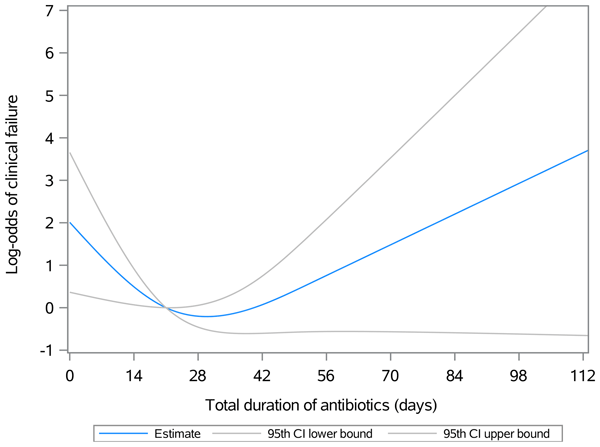
Our study investigated olecranon septic bursitis treatment, focusing on postsurgical antibiotic use. Analyzing 22 years of Mayo Clinic data, we found that smoking and not administering antibiotics following surgery led to poorer outcomes. A 3-week antibiotic course following surgery was most effective. Our findings suggest that a subset of patients may benefit from longer courses of antibiotics; however, further research is needed to confirm these findings.
Pansachee Damronglerd, Eibhlin Higgins, Madiha Fida, Don Bambino Geno Tai, Aaron J. Tande, Matthew P. Abdel, and Omar M. Abu Saleh
J. Bone Joint Infect., 9, 99–106, https://doi.org/10.5194/jbji-9-99-2024, https://doi.org/10.5194/jbji-9-99-2024, 2024
Short summary
Short summary
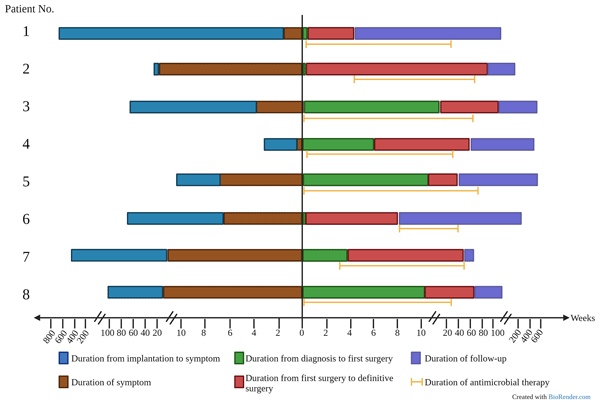
This work investigates periprosthetic joint infection (PJI) caused by rapidly growing mycobacteria (RGM) following total joint arthroplasty. Eight patients were identified as part of a retrospective review. The isolated RGM species included Mycobacterium abscessus (three cases), M. fortuitum (three cases), and one case each of M. immunogenum and M. mageritense. We provide novel insights into the successful treatment of PJIs caused by newly identified RGM (M. immunogenum and M. mageritense).

Matteo Passerini, Julian Maamari, Don Bambino Geno Tai, Robin Patel, Aaron J. Tande, Zelalem Temesgen, and Elie F. Berbari
J. Bone Joint Infect., 8, 143–149, https://doi.org/10.5194/jbji-8-143-2023, https://doi.org/10.5194/jbji-8-143-2023, 2023
Short summary
Short summary
Physicians have difficulties interpreting the isolation of Cutibacterium acnes in the spine tissue. Here we provide the experience of our center about this topic, adding data that can help physicians in their choices. Our results show that some clinical, radiological, and microbiological features can help distinguish patients to treat or not to treat. Moreover, treatment with parenteral beta-lactams appears to be effective, but targeted oral therapy could be a valid alternative.
Eibhlin Higgins, Don Bambino Geno Tai, Brian Lahr, Gina A. Suh, Elie F. Berbari, Kevin I. Perry, Matthew P. Abdel, and Aaron J. Tande
J. Bone Joint Infect., 8, 125–131, https://doi.org/10.5194/jbji-8-125-2023, https://doi.org/10.5194/jbji-8-125-2023, 2023
Short summary
Short summary
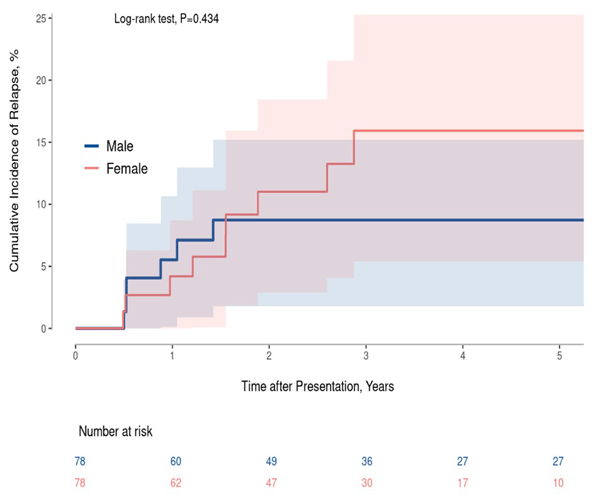
This retrospective case-matched study evaluated males and females with staphylococcal PJI (periprosthetic joint infection) treated with two-stage exchange arthroplasty. We matched 156 males and females for age, type of staphylococcal infection, and joint involved. We compared clinical parameters related to presentation, treatment, and outcome. We did not find a statistically significant difference in outcome between males and females treated with the same surgical approach at our institution.
Matteo Passerini, Julian Maamari, Tarek Nayfeh, Leslie C. Hassett, Aaron J. Tande, Mohammad H. Murad, Zelalem Temesgen, and Elie F. Berbari
J. Bone Joint Infect., 7, 249–257, https://doi.org/10.5194/jbji-7-249-2022, https://doi.org/10.5194/jbji-7-249-2022, 2022
Short summary
Short summary
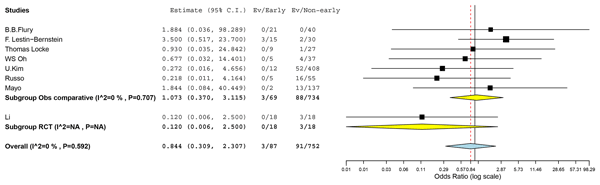
Despite a growing interest in oral therapy for native vertebral osteomyelitis, there is no evidence to recommend oral or parenteral therapy. From our single-center experience combined with a systematic review and a meta-analysis of the available literature, there is insufficient evidence to conclude that there is a difference in proportion of failure and relapse between an early switch to oral antibiotics and prolonged parenteral therapy. Further studies are needed to increase the evidence.
Talha Riaz, Matthew Howard, Felix Diehn, Aaron Joseph Tande, Courtney Ross, Paul Huddleston, and Elie Berbari
J. Bone Joint Infect., 7, 213–219, https://doi.org/10.5194/jbji-7-213-2022, https://doi.org/10.5194/jbji-7-213-2022, 2022
Short summary
Short summary
In this study, we prospectively enrolled patients with a suspected diagnosis of native vertebral osteomyelitis (NVO) undergoing image-guided needle aspiration of the intervertebral disc. Based on this pilot study, a high manual cell count or a high neutrophilic predominance from the disc aspirate was associated with the diagnosis of NVO.
Katharine Dobos, Gina A. Suh, Aaron J. Tande, and Shanthi Kappagoda
J. Bone Joint Infect., 7, 137–141, https://doi.org/10.5194/jbji-7-137-2022, https://doi.org/10.5194/jbji-7-137-2022, 2022
Short summary
Short summary
This paper describes five cases of prosthetic joint infection (PJI) caused by Mycobacterium avium complex (MAC). Infections occurred in both immune competent and immunosuppressed patients. Interestingly, using the Musculoskeletal Infection Society diagnostic criteria for PJI may miss some cases of MAC PJI. Treatment courses and outcomes are described.
Julian Maamari, Aaron J. Tande, Felix Diehn, Don Bambino Geno Tai, and Elie F. Berbari
J. Bone Joint Infect., 7, 23–32, https://doi.org/10.5194/jbji-7-23-2022, https://doi.org/10.5194/jbji-7-23-2022, 2022
Short summary
Short summary
The yearly incidence of native vertebral osteomyelitis (NVO) is increasing. In 2013 the prevalence of NVO in the USA was 5.4 cases per 100 000. Delays in the diagnosis of NVO remain common, in part due to the insidious nature of the infection and its related symptoms. The mean time between the onset of symptoms to diagnosis of NVO is 45.5 d. We herein review available and novel diagnostic modalities at the disposal of healthcare providers to reach an accurate and timely diagnosis of NVO.
Miao Xian Zhou, Elie F. Berbari, Cory G. Couch, Scott F. Gruwell, and Alan B. Carr
J. Bone Joint Infect., 6, 363–366, https://doi.org/10.5194/jbji-6-363-2021, https://doi.org/10.5194/jbji-6-363-2021, 2021
Short summary
Short summary
This was written to outline Mayo Clinic guidelines on prophylactic antibiotics prior to invasive procedures in patients with prosthetic joints. There is an emphasis on maintaining optimal oral health to reduce the risk of infection to minimize the patient’s risk of PJI.
Cited articles
Alavi, S. M. A., Borgonovo, F., Petri, F., Matsuo, T., Gori, A., Shaw, J. D., Tande, A. J., and Berbari, E. F.: P-100. What is a Postoperative Spine Infection?, Open Forum Infect. Dis., 13, https://doi.org/10.1093/ofid/ofaf695.329, 2026.
Belay, E. S., Danilkowicz, R., Bullock, G., Wall, K., and Garrigues, G. E.: Single-stage versus two-stage revision for shoulder periprosthetic joint infection: a systematic review and meta-analysis, J. Should. Elbow Surg., 29, 2476–2486, https://doi.org/10.1016/j.jse.2020.05.034, 2020.
Berbari, E. F., Marculescu, C., Sia, I., Lahr, B. D., Hanssen, A. D., Steckelberg, J. M., Gullerud, R., and Osmon, D. R.: Culture-Negative Prosthetic Joint Infection, Clin. Infect. Dis., 45, 1113–1119, https://doi.org/10.1086/522184, 2007.
Browning, S., Manning, L., Metcalf, S., Paterson, D. L., Robinson, J. O., Clark, B., and Davis, J. S.: Characteristics and outcomes of culture-negative prosthetic joint infections from the Prosthetic Joint Infection in Australia and New Zealand Observational (PIANO) cohort study, J. Bone Joint Infect., 7, 203–211, https://doi.org/10.5194/jbji-7-203-2022, 2022.
Choi, H.-R., Kwon, Y.-M., Freiberg, A. A., Nelson, S. B., and Malchau, H.: Periprosthetic Joint Infection with Negative Culture Results: Clinical Characteristics and Treatment Outcome, J. Arthroplasty, 28, 899–903, https://doi.org/10.1016/j.arth.2012.10.022, 2013.
Diaz-Ledezma, C., Higuera, C. A., and Parvizi, J.: Success After Treatment of Periprosthetic Joint Infection: A Delphi-based International Multidisciplinary Consensus, Clin. Orthop. Relat. Res., 471, 2374–2382, https://doi.org/10.1007/s11999-013-2866-1, 2013.
Fillingham, Y. A., Della Valle, C. J., Suleiman, L. I., Springer, B. D., Gehrke, T., Bini, S. A., Segreti, J., Chen, A. F., Goswami, K., Tan, T. L., Shohat, N., Diaz-Ledezma, C., Schwartz, A. J., and Parvizi, J.: Definition of Successful Infection Management and Guidelines for Reporting of Outcomes After Surgical Treatment of Periprosthetic Joint Infection: From the Workgroup of the Musculoskeletal Infection Society (MSIS), J. Bone Joint Surg., 101, e69, https://doi.org/10.2106/JBJS.19.00062, 2019.
Garabano, G., Gessara, A. M., Pesciallo, C. A., Martinez, J., and Del Sel, H.: Culture-negative Peri-prosthetic Joint Infection after Total Hip Arthroplasty Treatment Protocol and Outcomes in Acute and Chronic Cases, Arch. Bone Jt. Surg., 10, 806–811, https://doi.org/10.22038/abjs.2022.51813.2559, 2022.
Goh, G. S. and Parvizi, J.: Diagnosis and treatment of culture-negative periprosthetic joint infection, The Journal of Arthroplasty, 37, 1488–1493, 2022.
Goswami, K., Clarkson, S., Phillips, C. D., Dennis, D. A., Klatt, B. A., O'Malley, M. J., Smith, E. L., Gililland, J. M., Pelt, C. E., and Peters, C. L.: An enhanced understanding of culture-negative periprosthetic joint infection with next-generation sequencing: a multicenter study, J. Bone Joint Surg., 104, 1523–1529, 2022.
Guo, R., Tay, M. L., Kim, K., Zhu, M., and Young, S. W.: Microbial Resistance Patterns in Periprosthetic Joint Infection of the Knee: A 24-Year Longitudinal Study, J. Bone Joint Surg. Am., 108, 1008–1014, https://doi.org/10.2106/jbjs.25.00541, 2026.
Ibrahim, M. S., Twaij, H., and Haddad, F. S.: Two-stage revision for the culture-negative infected total hip arthroplasty, Bone Joint J., 100-B, 3–8, https://doi.org/10.1302/0301-620x.100b1.Bjj-2017-0626.R1, 2018.
Ji, B., Li, G., Zhang, X., Wang, Y., Mu, W., and Cao, L.: Effective treatment of single-stage revision using intra-articular antibiotic infusion for culture-negative prosthetic joint infection, Bone Joint J., 102-B, 336–344, https://doi.org/10.1302/0301-620X.102B3.BJJ-2019-0820.R1, 2020.
Johns, B. P., Dewar, D. C., Loewenthal, M. R., Manning, L. A., Atrey, A., Atri, N., Campbell, D. G., Dunbar, M., Kandel, C., Khoshbin, A., Jones, C. W., Lora-Tamayo, J., McDougall, C., Moojen, D. J. F., Mulford, J., Paterson, D. L., Peel, T., Solomon, M., Young, S. W., and Davis, J. S.: A desirability of outcome ranking (DOOR) for periprosthetic joint infection – a Delphi analysis, J. Bone Joint Infect., 7, 221–229, https://doi.org/10.5194/jbji-7-221-2022, 2022.
Kalbian, I., Park, J. W., Goswami, K., Lee, Y. K., Parvizi, J., and Koo, K. H.: Culture-negative periprosthetic joint infection: prevalence, aetiology, evaluation, recommendations, and treatment, Int. Orthop., 44, 1255–1261, https://doi.org/10.1007/s00264-020-04627-5, 2020.
Kang, J. S., Shin, E. H., Roh, T. H., Na, Y., Moon, K. H., and Park, J. H.: Long-term clinical outcome of two-stage revision surgery for infected hip arthroplasty using cement spacer: Culture negative versus culture positive, J. Orthop. Surg. (Hong Kong), 26, 2309499017754095, https://doi.org/10.1177/2309499017754095, 2018.
Kim, C.-W., Lee, C.-R., Park, D.-H., Kim, D.-Y., and Kim, J.-W.: Clinical outcomes of two-stage revision for chronic periprosthetic joint infection of the knee: culture-negative versus culture-positive, Knee Surg. Relat. Res., 33, 28, https://doi.org/10.1186/s43019-021-00112-4, 2021.
Kim, K., Zhu, M., Coleman, B., Munro, J. T., and Young, S. W.: Differing Microorganism Profile in Early and Late Prosthetic Joint Infections Following Primary Total Knee Arthroplasty – Implications for Empiric Antibiotic Treatment, J. Arthroplasty, 37, 1858–1864, https://doi.org/10.1016/j.arth.2022.04.014, 2022.
Kim, Y.-H., Park, J.-W., Kim, J.-S., and Kim, D.-J.: The outcome of infected total knee arthroplasty: culture-positive versus culture-negative, Arch. Orthop. Trauma Surg., 135, 1459–1467, 2015a.
Kim, Y.-H., Kulkarni, S. S., Park, J.-W., Kim, J.-S., Oh, H.-K., and Rastogi, D.: Comparison of infection control rates and clinical outcomes in culture-positive and culture-negative infected total-knee arthroplasty, J. Orthop., 12, S37–S43, 2015b.
Kunutsor, S. K., Whitehouse, M. R., Blom, A. W., Board, T., Kay, P., Wroblewski, B. M., Zeller, V., Chen, S. Y., Hsieh, P. H., Masri, B. A., Herman, A., Jenny, J. Y., Schwarzkopf, R., Whittaker, J. P., Burston, B., Huang, R., Restrepo, C., Parvizi, J., Rudelli, S., Honda, E., Uip, D. E., Bori, G., Muñoz-Mahamud, E., Darley, E., Ribera, A., Cañas, E., Cabo, J., Cordero-Ampuero, J., Redó, M. L. S., Strange, S., Lenguerrand, E., Gooberman-Hill, R., Webb, J., MacGowan, A., Dieppe, P., Wilson, M., and Beswick, A. D.: One- and two-stage surgical revision of peri-prosthetic joint infection of the hip: a pooled individual participant data analysis of 44 cohort studies, Eur. J. Epidemiol., 33, 933–946, https://doi.org/10.1007/s10654-018-0377-9, 2018.
Lazic, I., Scheele, C., Pohlig, F., von Eisenhart-Rothe, R., and Suren, C.: Treatment options in PJI – is two-stage still gold standard?, J. Orthop., 23, 180–184, https://doi.org/10.1016/j.jor.2020.12.021, 2021.
Li, H., Ni, M., Li, X., Zhang, Q., Li, X., and Chen, J.: Two-stage revisions for culture-negative infected total knee arthroplasties: A five-year outcome in comparison with one-stage and two-stage revisions for culture-positive cases, J. Orthop. Sci., 22, 306–312, https://doi.org/10.1016/j.jos.2016.11.008, 2017.
Lin, L., Li, J., Zhang, C., Li, J., Wu, B., Huang, Z., Lv, J., Liu, M., Li, W., Zhang, W., and Fang, X.: Comprehensive analysis of culture-negative periprosthetic joint infection with metagenomic next-generation sequencing, Front. Cell. Infect. Microbiol., 15, 1564488, https://doi.org/10.3389/fcimb.2025.1564488, 2025.
Lu, H., Wang, W., Xu, H., Zhou, K., and Zhou, Z.: Efficacy and safety of two-stage revision for patients with culture-negative versus culture-positive periprosthetic joint infection: a single-center retrospective study, BMC Musculoskelet. Disord., 25, 160, https://doi.org/10.1186/s12891-024-07259-7, 2024.
Malekzadeh, D., Osmon, D. R., Lahr, B. D., Hanssen, A. D., and Berbari, E. F.: Prior use of antimicrobial therapy is a risk factor for culture-negative prosthetic joint infection, Clin. Orthop. Relat. Res. , 468, 2039–2045, 2010.
Nelson, S. B., Pinkney, J. A., Chen, A. F., and Tande, A. J.: Periprosthetic joint infection: current clinical challenges, Clin. Infect. Dis., 77, e34–e45, 2023.
Page, M. J., McKenzie, J. E., Bossuyt, P. M., Boutron, I., Hoffmann, T. C., Mulrow, C. D., Shamseer, L., Tetzlaff, J. M., Akl, E. A., and Brennan, S. E.: The PRISMA 2020 statement: an updated guideline for reporting systematic reviews, BMJ, 372, n71, https://doi.org/10.1136/bmj.n71, 2021.
Patel, R.: Periprosthetic joint infection, N. Engl. J. Med., 388, 251–262, 2023.
Paz, Z., Zhu, C., Lieber, S. B., Fowler, M. L., and Shmerling, R. H.: Presentation and outcomes of peri-prosthetic joint infection: A comparison of culture-positive and culture-negative disease, Surg. Infect., 22, 828–835, 2021.
Reisener, M. and Perka, C.: Do culture-negative Periprosthetic joint infections have a worse outcome than culture-positive Periprosthetic joint infections? A systematic review and meta-analysis, BioMed Res. Int., 2018, 6278012, https://doi.org/10.1155/2018/6278012, 2018.
Ronan, E. M., Ruff, G., Ashkenazi, I., Raymond, H., Cardillo, C., Villa, J. C., Schwarzkopf, R., and Aggarwal, V. K.: The impact of culture negativity on the outcomes of revision total knee arthroplasty for chronic PJI, Microorganisms, 12, 1384, https://doi.org/10.3390/microorganisms12071384, 2024.
Santoso, A., Park, K.-S., Shin, Y.-R., Yang, H.-Y., Choi, I.-S., and Yoon, T.-R.: Two-stage revision for periprosthetic joint infection of the hip: Culture-negative versus culture-positive infection, J. Orthop., 15, 391–395, https://doi.org/10.1016/j.jor.2018.03.002, 2018.
Sloan, M., Premkumar, A., and Sheth, N. P.: Projected volume of primary total joint arthroplasty in the US, 2014 to 2030, J. Bone Joint Surg., 100, 1455–1460, 2018.
Soundarrajan, D., Rajkumar, N., Dhanasekararaja, P., Rithika, S., and Rajasekaran, S.: A Comparison of Outcomes of Culture positive and Culture negative Acute Knee Prosthetic Joint Infection following Debridement, Antibiotics and Implant Retention (DAIR), Eur. J. Orthop. Surg. Traumatol., 33, 2375–2383, https://doi.org/10.1007/s00590-022-03445-2, 2023.
Tan, T. L., Kheir, M. M., Shohat, N., Tan, D. D., Kheir, M., Chen, C., and Parvizi, J.: Culture-negative periprosthetic joint infection: an update on what to expect, JBJS Open Access, 3, e0060, https://doi.org/10.2106/JBJS.OA.17.00060, 2018.
Thakrar, R. R., Horriat, S., Kayani, B., and Haddad, F. S.: Indications for a single-stage exchange arthroplasty for chronic prosthetic joint infection: a systematic review, Bone Joint J., 101-b, 19–24, https://doi.org/10.1302/0301-620x.101b1.Bjj-2018-0374.R1, 2019.
Tirumala, V., Smith, E., Box, H., van den Kieboom, J., Klemt, C., and Kwon, Y.-M.: Outcome of debridement, antibiotics, and implant retention with modular component exchange in acute culture-negative periprosthetic joint infections, J. Arthroplasty, 36, 1087–1093, 2021.
Vajapey, S. P., Li, D., Lynch, D., and Li, M.: Prosthetic joint infection in culture-negative and alpha-defensin-positive patients versus culture-positive and alpha-defensin-negative patients: a retrospective cohort study of the differences in clinical characteristics and outcomes, Curr. Orthop. Pract., 32, 58–63, https://doi.org/10.1097/BCO.0000000000000942, 2021.
van Den Kieboom, J., Tirumala, V., Box, H., Oganesyan, R., Klemt, C., and Kwon, Y.-M.: One-stage revision is as effective as two-stage revision for chronic culture-negative periprosthetic joint infection after total hip and knee arthroplasty: a retrospective cohort study, Bone Joint J., 103, 515–521, 2021.
van Sloten, M., Gómez-Junyent, J., Ferry, T., Rossi, N., Petersdorf, S., Lange, J., Corona, P., Abreu, M. A., Borens, O., and Zlatian, O.: Should all patients with a culture-negative periprosthetic joint infection be treated with antibiotics?: a multicentre observational study, Bone Joint J., 104, 183–188, 2022.
Wang, J., Wang, Q., Shen, H., and Zhang, X.: Comparable outcome of culture-negative and culture-positive periprosthetic hip joint infection for patients undergoing two-stage revision, Int. Orthop., 42, 469–477, 2018.
Watanabe, S., Kobayashi, N., Tomoyama, A., Choe, H., Yamazaki, E., and Inaba, Y.: Clinical characteristics and risk factors for culture-negative periprosthetic joint infections, J. Orthop. Surg. Res., 16, 292, https://doi.org/10.1186/s13018-021-02450-1, 2021.
Wells, G. A., Shea, B., O'Connell, D., Peterson, J., Welch, V., Losos, M., and Tugwell, P.: The Newcastle-Ottawa Scale (NOS) for assessing the quality of nonrandomised studies in meta-analyses, Ottawa Hospital Research Institute, https://ohri.ca/en/who-we-are/core-facilities-and-platforms/ottawa-methods-centre/newcastle-ottawa-scale (last access: 7 July 2026), 2000.
Xu, Z., Huang, C., Lin, Y., Chen, Y., Fang, X., Huang, Z., Zhang, C., Zhang, Z., and Zhang, W.: Clinical Outcomes of Culture-Negative and Culture-Positive Periprosthetic Joint Infection: Similar Success Rate, Different Incidence of Complications, Orthop. Surg., 14, 1420–1427, https://doi.org/10.1111/os.13333, 2022.
Zanna, L., Sangaletti, R., Lausmann, C., Gehrke, T., and Citak, M.: Successful eradication rate following one-stage septic knee and hip exchange in selected pre-operative culture-negative periprosthetic joint infections, Int. Orthop., 47, 659–666, https://doi.org/10.1007/s00264-022-05677-7, 2023.
Zhou, H., Yang, Y., Zhang, Y., Li, F., Shen, Y., Qin, L., and Huang, W.: Current status and perspectives of diagnosis and treatment of periprosthetic joint infection, Infect. Drug Resist., 17, 2417–2429, 2024.
Short summary
Culture-negative periprosthetic joint infection (CN-PJI) remains a diagnostic and therapeutic challenge. In this systematic review and meta-analysis of 27 studies (1399 patients), pooled success was 83.6 %, failure was 17.2 %, and mortality was 2.4 %. Outcomes were better with exchange arthroplasty than debridement, antimicrobials, and implant retention (DAIR). Antibiotic regimens were heterogeneous. Overall, CN-PJI may have favorable outcomes, but standardized prospective studies are needed.
Culture-negative periprosthetic joint infection (CN-PJI) remains a diagnostic and therapeutic...


