Articles | Volume 11, issue 2
https://doi.org/10.5194/jbji-11-161-2026
© Author(s) 2026. This work is distributed under
the Creative Commons Attribution 4.0 License.

https://doi.org/10.5194/jbji-11-161-2026
© Author(s) 2026. This work is distributed under
the Creative Commons Attribution 4.0 License.
Combined analysis of host immune response, biofilm genes, and 16S rRNA detection in fracture-related infection: an observational cohort study
Melissa Depypere
CORRESPONDING AUTHOR
Department of laboratory medicine, University Hospitals Leuven, 3000, Leuven, Belgium
Department of Microbiology, Immunology and Transplantation, Laboratory of Clinical Bacteriology and Mycology, KU Leuven, Leuven, Belgium
Jonathan Sliepen
Department of Trauma Surgery, University Medical Center Groningen, Groningen, the Netherlands
Jolien Onsea
Department of Trauma Surgery, University Hospitals Leuven, 3000 Leuven, Belgium
Department of Development and Regeneration, KU Leuven – University of Leuven, 3000 Leuven, Belgium
Yves Debaveye
Department of Intensive Care Medicine, University Hospitals Leuven, Leuven, Belgium
T. Fintan Moriarty
AO Research Institute Davos, Davos, Switzerland
Elena Della Bella
AO Research Institute Davos, Davos, Switzerland
Emmanuel André
Department of laboratory medicine, University Hospitals Leuven, 3000, Leuven, Belgium
Department of Microbiology, Immunology and Transplantation, Laboratory of Clinical Bacteriology and Mycology, KU Leuven, Leuven, Belgium
Johan Van Weyenbergh
Department of Microbiology, Immunology and Transplantation, Laboratory of Clinical and Epidemiological Virology, Rega Institute, KU Leuven, Leuven, Belgium
Willem-Jan Metsemakers
Department of Trauma Surgery, University Hospitals Leuven, 3000 Leuven, Belgium
Department of Development and Regeneration, KU Leuven – University of Leuven, 3000 Leuven, Belgium
Related authors
Ann-Sophie Jacob, Jolien Onsea, Laura Bessems, Pauline Spoormans, Georges Vles, Willem-Jan Metsemakers, Sien Ombelet, and Melissa Depypere
J. Bone Joint Infect., 10, 317–326, https://doi.org/10.5194/jbji-10-317-2025, https://doi.org/10.5194/jbji-10-317-2025, 2025
Short summary
Short summary
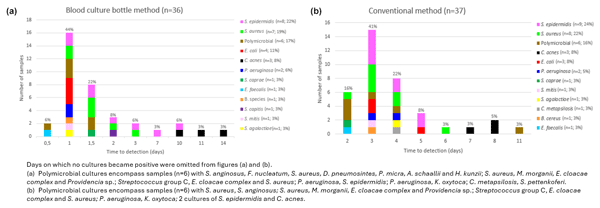
Fracture-related infections (FRIs) and periprosthetic joint infections (PJIs) fail to recover pathogens, posing a diagnostic challenge and impacting treatment. This new method involves homogenising biopsies with beads to release bacteria, followed by inoculation in blood culture bottles using an automated system. This technique shows similar sensitivity to conventional methods, with improved specificity and faster pathogen detection. To date, no other studies have reported an optimized method for incubating biopsies from patients with FRIs.
Fred Ruythooren, Stijn Ghijselings, Melissa Depypere, Willem-Jan Metsemakers, Liesbet Henckaerts, Nathalie Noppe, and Georges Vles
J. Bone Joint Infect., 9, 167–171, https://doi.org/10.5194/jbji-9-167-2024, https://doi.org/10.5194/jbji-9-167-2024, 2024
Short summary
Short summary
The article examines a unique case of Ureaplasma urealyticum causing osteomyelitis in the greater trochanter of a 26-year-old male treated with ocrelizumab for multiple sclerosis. It emphasizes the necessity of a multidisciplinary approach and advanced PCR diagnostics to manage such rare opportunistic infections effectively, highlighting the challenges faced due to the immunosuppressive nature of monoclonal antibody therapies of this kind.
Niels Vanvelk, Esther M. M. Van Lieshout, Jolien Onsea, Jonathan Sliepen, Geertje Govaert, Frank F. A. IJpma, Melissa Depypere, Jamie Ferguson, Martin McNally, William T. Obremskey, Charalampos Zalavras, Michael H. J. Verhofstad, and Willem-Jan Metsemakers
J. Bone Joint Infect., 8, 133–142, https://doi.org/10.5194/jbji-8-133-2023, https://doi.org/10.5194/jbji-8-133-2023, 2023
Short summary
Short summary
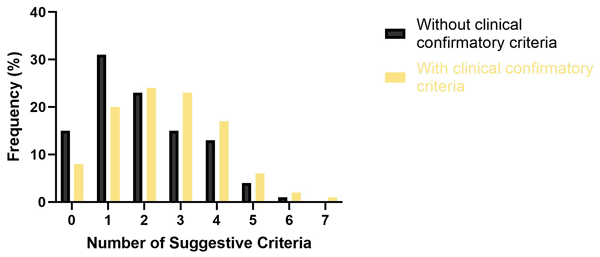
This international retrospective cohort study displays the diagnostic characteristics of 609 patients who were treated for fracture-related infection (FRI). Clinical confirmatory criteria were present in 77% of patients. In the remaining patients, the decision to operatively collect deep tissue cultures had to be based on a set of suggestive criteria. The combined use of these suggestive criteria should guide treating physicians in the management pathway of FRI.
Willem-Jan Metsemakers, Austin T. Fragomen, Mario Morgenstern, Steffen B. Rosslenbroich, Stephen M. Quinnan, Pablo S. Corona, Mitchell Bernstein, and Kevin Tetsworth
J. Bone Joint Infect., 11, 191–206, https://doi.org/10.5194/jbji-11-191-2026, https://doi.org/10.5194/jbji-11-191-2026, 2026
Short summary
Short summary
Segmental bone loss remains a major challenge, often worsened by fracture-related infection (FRI). Surgical debridement and tissue cultures are key initial steps. Bone transport, utilizing distraction osteogenesis, remains a key therapeutic strategy. Innovations like integrated fixation and motorized nails reduce patient morbidity. Management relies on a multidisciplinary approach. This review explores current and emerging concepts in the field of bone transport, focusing on FRI.
Niels Vanvelk, Esther M. M. Van Lieshout, Leendert H. T. Nugteren, A. Cornelis Plaisier, Rosalya Van der Pot, Corine Bethlehem, Willem-Jan Metsemakers, William T. Obremskey, and Michael H. J. Verhofstad
J. Bone Joint Infect., 11, 95–103, https://doi.org/10.5194/jbji-11-95-2026, https://doi.org/10.5194/jbji-11-95-2026, 2026
Short summary
Short summary
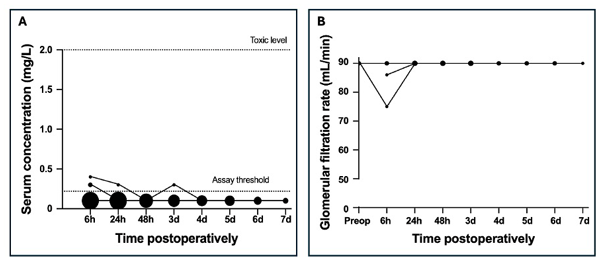
Although local antibiotic administration is used to prevent and treat fracture-related infections, concerns remain about systemic absorption and potential renal toxicity. This study assessed serum levels and renal function after local gentamicin or vancomycin use. Gentamicin exceeded the lower limit of quantification in 17% of cases but remained below toxic levels. Vancomycin was undetectable. These findings suggest that local antibiotic administration does not harm renal function.
Willemijn Boot, Michel Schläppi, Virginia Post, T. Fintan Moriarty, and Peter Wahl
J. Bone Joint Infect., 11, 65–76, https://doi.org/10.5194/jbji-11-65-2026, https://doi.org/10.5194/jbji-11-65-2026, 2026
Short summary
Short summary
In this study, we tested whether very high doses and prolonged exposure of gentamicin, alone or with rifampin, can eliminate mature Staphylococcus aureus biofilm – one of the main causes of implant-associated infections. None of the regimes tested eradicated all bacteria. Adding rifampin gave no benefit. This suggests that aminoglycosides are not optimal for local antibiotic therapy.
Laura Bessems, Jolien Onsea, Baixing Chen, Marjan Wouthuyzen-Bakker, Irene K. Sigmund, Tristan Ferry, Richard Kuehl, Martin Clauss, Alex Soriano, Ricardo Sousa, Annette Schuermans, and Willem-Jan Metsemakers
J. Bone Joint Infect., 10, 489–500, https://doi.org/10.5194/jbji-10-489-2025, https://doi.org/10.5194/jbji-10-489-2025, 2025
Short summary
Short summary
Isolation of patients with musculoskeletal infections in orthopedic care is controversial. Evidence supports selective isolation for certain resistant pathogens but not for non-resistant pathogens, nor does it support the routine use of septic wards. Effective infection control depends on hospital-wide strategies and adherence to standard precautions, with specialized centres offering better care than dedicated isolation units.
Jonathan Sliepen, Michelle A. S. Buijs, Jolien Onsea, Geertje A. M. Govaert, Frank F. A. IJpma, Jean-Paul P. M. de Vries, Bart C. H. Van der Wal, Charalampos Zalavras, and Willem-Jan Metsemakers
J. Bone Joint Infect., 10, 347–361, https://doi.org/10.5194/jbji-10-347-2025, https://doi.org/10.5194/jbji-10-347-2025, 2025
Short summary
Short summary
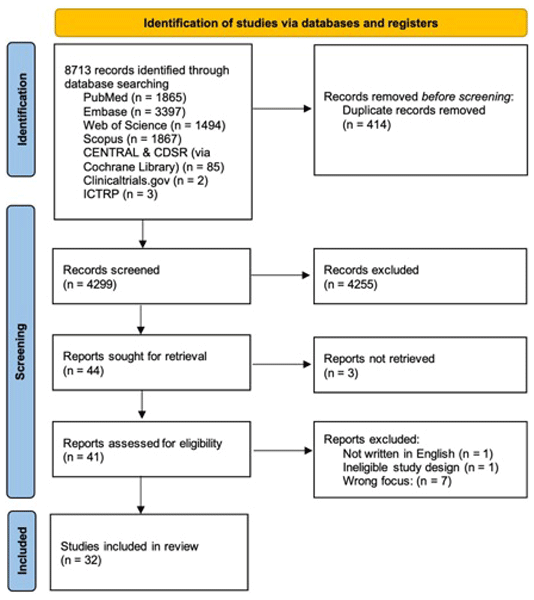
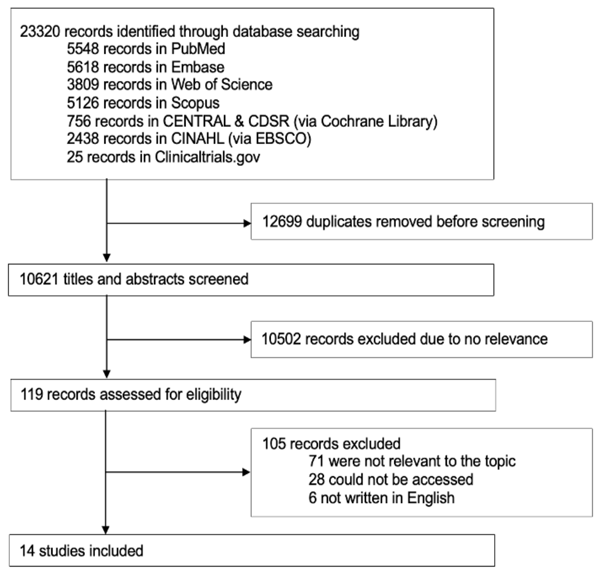
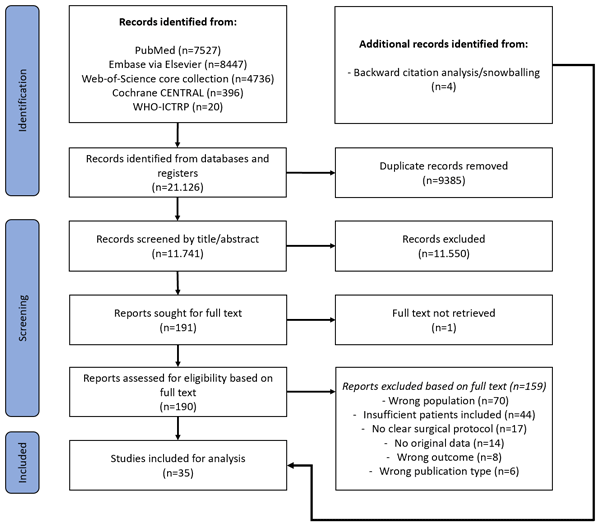
This review assessed the effectiveness of single- and two-stage procedures for treating long-bone fracture-related infections, focusing on unhealed fractures without critical-sized bone defects. A total of 35 studies with 985 patients showed bone-healing rates of 80% for single-stage procedures and 77% for two-stage procedures. Infection eradication rates were 87% for single-stage approaches and 81% for two-stage approaches. The current evidence is inconclusive and lacks sufficient data to favor either approach.
Ann-Sophie Jacob, Jolien Onsea, Laura Bessems, Pauline Spoormans, Georges Vles, Willem-Jan Metsemakers, Sien Ombelet, and Melissa Depypere
J. Bone Joint Infect., 10, 317–326, https://doi.org/10.5194/jbji-10-317-2025, https://doi.org/10.5194/jbji-10-317-2025, 2025
Short summary
Short summary
Fracture-related infections (FRIs) and periprosthetic joint infections (PJIs) fail to recover pathogens, posing a diagnostic challenge and impacting treatment. This new method involves homogenising biopsies with beads to release bacteria, followed by inoculation in blood culture bottles using an automated system. This technique shows similar sensitivity to conventional methods, with improved specificity and faster pathogen detection. To date, no other studies have reported an optimized method for incubating biopsies from patients with FRIs.
Irene K. Sigmund, Marjan Wouthuyzen-Bakker, Tristan Ferry, Willem-Jan Metsemakers, Martin Clauss, Alex Soriano, Rihard Trebse, and Ricardo Sousa
J. Bone Joint Infect., 10, 139–142, https://doi.org/10.5194/jbji-10-139-2025, https://doi.org/10.5194/jbji-10-139-2025, 2025
Short summary
Short summary
This is a summary of our position paper on debridement, antimicrobial therapy, and implant retention (DAIR) procedures as a curative treatment strategy for acute periprosthetic hip and knee infections. It includes the defined indications as well as the contraindications of DAIR procedures when eradication/cure is intended, based on the currently available literature.
Irene K. Sigmund, Tristan Ferry, Ricardo Sousa, Alex Soriano, Willem-Jan Metsemakers, Martin Clauss, Rihard Trebse, and Marjan Wouthuyzen-Bakker
J. Bone Joint Infect., 10, 101–138, https://doi.org/10.5194/jbji-10-101-2025, https://doi.org/10.5194/jbji-10-101-2025, 2025
Short summary
Short summary
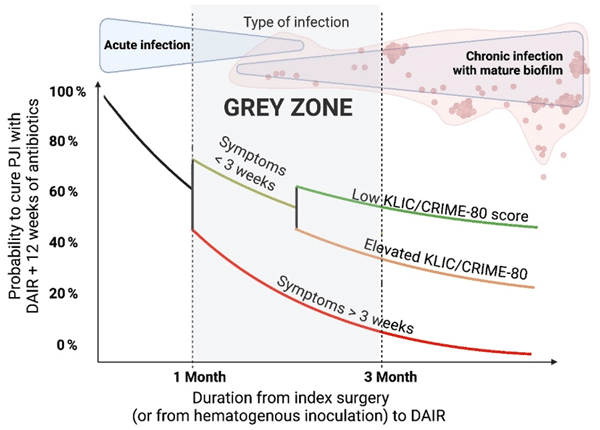
In this paper, we discuss the most relevant factors influencing the outcome and define indications, contraindications, and risk factors of a DAIR procedure based on the currently available literature. Furthermore, we discuss the surgical technique in combination with systemic antimicrobial therapy in patients undergoing a DAIR procedure.
Baixing Chen, T. Fintan Moriarty, Hans Steenackers, Georges F. Vles, Jolien Onsea, Thijs Vackier, Isabel Spriet, Rob Lavigne, R. Geoff Richards, and Willem-Jan Metsemakers
J. Bone Joint Infect., 9, 249–260, https://doi.org/10.5194/jbji-9-249-2024, https://doi.org/10.5194/jbji-9-249-2024, 2024
Short summary
Short summary
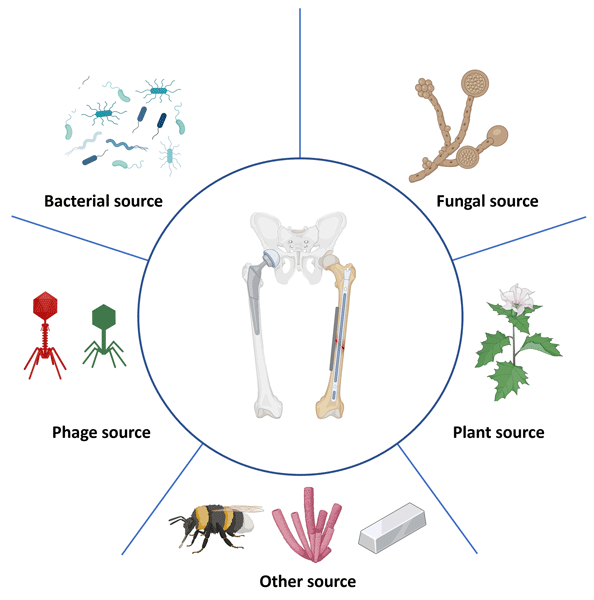
Our research explores natural antimicrobials to combat orthopedic-device-related infections, a challenging issue due to antibiotic resistance. We reviewed agents from bacteria, fungi, viruses, animals, plants and minerals, evaluating their effectiveness and synergy with traditional antibiotics. Our findings suggest these natural alternatives could revolutionize infection management in orthopedic patients, offering new hope for reducing antibiotic resistance and improving treatment outcomes.
Alexandra Wallimann, Yvonne Achermann, Ciara Ferris, Mario Morgenstern, Martin Clauss, Vincent Stadelmann, Hannes Andreas Rüdiger, Liam O'Mahony, and Thomas Fintan Moriarty
J. Bone Joint Infect., 9, 191–196, https://doi.org/10.5194/jbji-9-191-2024, https://doi.org/10.5194/jbji-9-191-2024, 2024
Short summary
Short summary
Skin commensal bacteria such as staphylococci are often the source of orthopaedic-device-related infections. Rifampicin is a widely used antibiotic in the treatment of these infections. The results of this study show that oral rifampicin therapy leads to a consistent and persistent induction of resistance in commensal staphylococci on the skin and in the nose for a prolonged time.
Fred Ruythooren, Stijn Ghijselings, Melissa Depypere, Willem-Jan Metsemakers, Liesbet Henckaerts, Nathalie Noppe, and Georges Vles
J. Bone Joint Infect., 9, 167–171, https://doi.org/10.5194/jbji-9-167-2024, https://doi.org/10.5194/jbji-9-167-2024, 2024
Short summary
Short summary
The article examines a unique case of Ureaplasma urealyticum causing osteomyelitis in the greater trochanter of a 26-year-old male treated with ocrelizumab for multiple sclerosis. It emphasizes the necessity of a multidisciplinary approach and advanced PCR diagnostics to manage such rare opportunistic infections effectively, highlighting the challenges faced due to the immunosuppressive nature of monoclonal antibody therapies of this kind.
Jordi Cools, Stijn Ghijselings, Fred Ruythooren, Sander Jentjens, Nathalie Noppe, Willem-Jan Metsemakers, and Georges Vles
J. Bone Joint Infect., 9, 27–35, https://doi.org/10.5194/jbji-9-27-2024, https://doi.org/10.5194/jbji-9-27-2024, 2024
Short summary
Short summary
Septic arthritis (SA) of the native adult hip is a rare orthopaedic emergency. To date, the role of advanced imaging has been confined to supporting or opposing diagnosis; however, implications for surgical decision-making and outcomes have not yet been established. We found that extra-articular abscesses are present in two out of three patients and require varying anatomical approaches. Therefore, we recommend routinely performing advanced imaging in all adults with SA of the native hip joint.
Fred Ruythooren, Stijn Ghijselings, Jordi Cools, Melissa Depypere, Paul De Munter, Willem-Jan Metsemakers, and Georges Vles
J. Bone Joint Infect., 8, 209–218, https://doi.org/10.5194/jbji-8-209-2023, https://doi.org/10.5194/jbji-8-209-2023, 2023
Short summary
Short summary
A total of 41 patients who underwent surgical treatment for septic arthritis (SA) of the native hip were studied. We show that patients with SA of the native hip can be divided in three distinct clinical subgroups based on route of infection. Route of infection is directly related to the chance of femoral head preservation and should, therefore, be the basis for decision-making. Only patients with blood-borne infections in an undamaged hip had a reasonable chance of femoral head preservation.
Niels Vanvelk, Esther M. M. Van Lieshout, Jolien Onsea, Jonathan Sliepen, Geertje Govaert, Frank F. A. IJpma, Melissa Depypere, Jamie Ferguson, Martin McNally, William T. Obremskey, Charalampos Zalavras, Michael H. J. Verhofstad, and Willem-Jan Metsemakers
J. Bone Joint Infect., 8, 133–142, https://doi.org/10.5194/jbji-8-133-2023, https://doi.org/10.5194/jbji-8-133-2023, 2023
Short summary
Short summary
This international retrospective cohort study displays the diagnostic characteristics of 609 patients who were treated for fracture-related infection (FRI). Clinical confirmatory criteria were present in 77% of patients. In the remaining patients, the decision to operatively collect deep tissue cultures had to be based on a set of suggestive criteria. The combined use of these suggestive criteria should guide treating physicians in the management pathway of FRI.
Cited articles
Andrade, D. C., Borges, I. C., Bouzas, M. L., Oliveira, J. R., Fukutani, K. F., Queiroz, A. T., de Oliveira, C. I., Barral, A., Van Weyenbergh, J., and Nascimento-Carvalho, C.: 10-valent pneumococcal conjugate vaccine (PCV10) decreases metabolic activity but not nasopharyngeal carriage of Streptococcus pneumoniae and Haemophilus influenzae, Vaccine, 35, 4105–4111, https://doi.org/10.1016/j.vaccine.2017.06.048, 2017.
Boxma, H., Broekhuizen, T., Patka, P., and Oosting, H.: Randomised controlled trial of single-dose antibiotic prophylaxis in surgical treatment of closed fractures: the Dutch Trauma Trial, Lancet, 347, 1133–1137, https://doi.org/10.1016/s0140-6736(96)90606-6, 1996.
Ciornei, C. D., Novikov, A., Beloin, C., Fitting, C., Caroff, M., Ghigo, J. M., Cavaillon, J. M., and Adib-Conquy, M.: Biofilm-forming Pseudomonas aeruginosa bacteria undergo lipopolysaccharide structural modifications and induce enhanced inflammatory cytokine response in human monocytes, Innate. Immun., 16, 288–301, https://doi.org/10.1177/1753425909341807, 2010.
Costerton, J. W., Stewart, P. S., and Greenberg, E. P.: Bacterial biofilms: a common cause of persistent infections, Science, 284, 1318–1322, https://doi.org/10.1126/science.284.5418.1318, 1999.
Darouiche, R. O.: Treatment of infections associated with surgical implants, N. Engl. J. Med., 350, 1422–1429, https://doi.org/10.1056/NEJMra035415, 2004.
Depypere, M., Sliepen, J., Onsea, J., Debaveye, Y., Govaert, G. A. M., IJpma, F. F. A., Zimmerli, W., and Metsemakers, W. J.: The Microbiological Etiology of Fracture-Related Infection, Front Cell Infect. Microbiol., 12, 934485, 10.3389/fcimb.2022.934485, 2022.
Dudin, O., Geiselmann, J., Ogasawara, H., Ishihama, A., and Lacour, S.: Repression of flagellar genes in exponential phase by CsgD and CpxR, two crucial modulators of Escherichia coli biofilm formation, J. Bacteriol., 196, 707–715, https://doi.org/10.1128/JB.00938-13, 2014.
Feys, S., Goncalves, S. M., Khan, M., Choi, S., Boeckx, B., Chatelain, D., Cunha, C., Debaveye, Y., Hermans, G., Hertoghs, M., Humblet-Baron, S., Jacobs, C., Lagrou, K., Marcelis, L., Maizel, J., Meersseman, P., Nyga, R., Seldeslachts, L., Starick, M. R., Thevissen, K., Vandenbriele, C., Vanderbeke, L., Vande Velde, G., Van Regenmortel, N., Vanstapel, A., Vanmassenhove, S., Wilmer, A., Van De Veerdonk, F. L., De Hertogh, G., Mombaerts, P., Lambrechts, D., Carvalho, A., Van Weyenbergh, J., and Wauters, J.: Lung epithelial and myeloid innate immunity in influenza-associated or COVID-19-associated pulmonary aspergillosis: an observational study, Lancet Respir. Med., 10, 1147–1159, https://doi.org/10.1016/S2213-2600(22)00259-4, 2022.
Francis, D., Veeramanickathadathil Hari, G., Koonthanmala Subash, A., Bhairaddy, A., and Joy, A.: The biofilm proteome of Staphylococcus aureus and its implications for therapeutic interventions to biofilm-associated infections, Adv. Protein Chem. Struct. Biol., 138, 327–400, https://doi.org/10.1016/bs.apcsb.2023.08.002, 2024.
Fukutani, K. F., Nascimento-Carvalho, C. M., Van der Gucht, W., Wollants, E., Khouri, R., Dierckx, T., Van Ranst, M., Houspie, L., Bouzas, M. L., Oliveira, J. R., Barral, A., Van Weyenbergh, J., and de Oliveira, C. I.: Pathogen transcriptional profile in nasopharyngeal aspirates of children with acute respiratory tract infection, J. Clin. Virol., 69, 190–196, https://doi.org/10.1016/j.jcv.2015.06.005, 2015.
Fukutani, K. F., Nascimento-Carvalho, C. M., Bouzas, M. L., Oliveira, J. R., Barral, A., Dierckx, T., Khouri, R., Nakaya, H. I., Andrade, B. B., Van Weyenbergh, J., and de Oliveira, C. I.: In situ Immune Signatures and Microbial Load at the Nasopharyngeal Interface in Children With Acute Respiratory Infection, Front. Microbiol., 9, 2475, https://doi.org/10.3389/fmicb.2018.02475, 2018.
George, M. D., Baker, J. F., Leonard, C. E., Mehta, S., Miano, T. A., and Hennessy, S.: Risk of Nonunion with Nonselective NSAIDs, COX-2 Inhibitors, and Opioids, J. Bone Joint Surg. Am., 102, 1230–1238, https://doi.org/10.2106/JBJS.19.01415, 2020.
Gillespie, M., Jassal, B., Stephan, R., Milacic, M., Rothfels, K., Senff-Ribeiro, A., Griss, J., Sevilla, C., Matthews, L., Gong, C., Deng, C., Varusai, T., Ragueneau, E., Haider, Y., May, B., Shamovsky, V., Weiser, J., Brunson, T., Sanati, N., Beckman, L., Shao, X., Fabregat, A., Sidiropoulos, K., Murillo, J., Viteri, G., Cook, J., Shorser, S., Bader, G., Demir, E., Sander, C., Haw, R., Wu, G., Stein, L., Hermjakob, H., and D'Eustachio, P.: The reactome pathway knowledgebase 2022, Nucleic Acids Res., 50, D687–D692, https://doi.org/10.1093/nar/gkab1028, 2022.
Goodnough, L. H., Ambrosi, T. H., Steininger, H. M., Butler, M. G. K., Hoover, M. Y., Choo, H., Van Rysselberghe, N. L., Bellino, M. J., Bishop, J. A., Gardner, M. J., and Chan, C. K. F.: Cross-species comparisons reveal resistance of human skeletal stem cells to inhibition by non-steroidal anti-inflammatory drugs, Front Endocrinol. (Lausanne), 13, 924927, https://doi.org/10.3389/fendo.2022.924927, 2022.
Goytain, A. and Ng, T.: NanoString nCounter Technology: High-Throughput RNA Validation, Methods Mol. Biol., 2079, 125–139, https://doi.org/10.1007/978-1-4939-9904-0_10, 2020.
Kamel Mohamed, S. G., Sugiyama, E., Shinoda, K., Hounoki, H., Taki, H., Maruyama, M., Miyahara, T., and Kobayashi, M.: Interleukin-4 inhibits RANKL-induced expression of NFATc1 and c-Fos: a possible mechanism for downregulation of osteoclastogenesis, Biochem. Biophys. Res. Commun., 329, 839–845, https://doi.org/10.1016/j.bbrc.2005.02.049, 2005.
Kavanagh, N., Ryan, E. J., Widaa, A., Sexton, G., Fennell, J., O'Rourke, S., Cahill, K. C., Kearney, C. J., O'Brien, F. J., and Kerrigan, S. W.: Staphylococcal Osteomyelitis: Disease Progression, Treatment Challenges, and Future Directions, Clin. Microbiol. Rev., 31, https://doi.org/10.1128/CMR.00084-17, 2018.
Kaya, E., Batoni, G., Di Luca, M., Apolloni, E., Mazzoni, A., Maisetta, G., and Esin, S.: Planktonic and Biofilm-Associated Pseudomonas aeruginosa and Staphylococcus epidermidis Elicit Differential Human Peripheral Blood Cell Responses, Microorganisms, 9, https://doi.org/10.3390/microorganisms9091846, 2021.
Lemichez, E., Lecuit, M., Nassif, X., and Bourdoulous, S.: Breaking the wall: targeting of the endothelium by pathogenic bacteria, Nat. Rev. Microbiol., 8, 93–104, https://doi.org/10.1038/nrmicro2269, 2010.
Maenetje, P., Baik, Y., Schramm, D. B., Vangu, M. D. W., Wallis, R. S., Mlotshwa, M., Tiemessen, C. T., Li, Y., Kornfeld, H., Churchyard, G., Auld, S. C., and Bisson, G. P.: Circulating biomarkers, FeNO, and lung function in patients with HIV and tuberculosis, J. Infect. Dis., https://doi.org/10.1093/infdis/jiad232, 2023.
Marriott, I.: Apoptosis-associated uncoupling of bone formation and resorption in osteomyelitis, Front Cell Infect. Microbiol., 3, 101, https://doi.org/10.3389/fcimb.2013.00101, 2013.
McNally, M., Govaert, G., Dudareva, M., Morgenstern, M., and Metsemakers, W. J.: Definition and diagnosis of fracture-related infection, EFORT Open Rev., 5, 614–619, https://doi.org/10.1302/2058-5241.5.190072, 2020.
Metsemakers, W. J., Morgenstern, M., McNally, M. A., Moriarty, T. F., McFadyen, I., Scarborough, M., Athanasou, N. A., Ochsner, P. E., Kuehl, R., Raschke, M., Borens, O., Xie, Z., Velkes, S., Hungerer, S., Kates, S. L., Zalavras, C., Giannoudis, P. V., Richards, R. G., and Verhofstad, M. H. J.: Fracture-related infection: A consensus on definition from an international expert group, Injury, 49, 505–510, https://doi.org/10.1016/j.injury.2017.08.040, 2018.
Metsemakers, W. J., Moriarty, T. F., Morgenstern, M., Marais, L., Onsea, J., O'Toole, R. V., Depypere, M., Obremskey, W. T., Verhofstad, M. H. J., McNally, M., Morshed, S., Wouthuyzen-Bakker, M., and Zalavras, C.: The global burden of fracture-related infection: can we do better?, Lancet Infect. Dis., https://doi.org/10.1016/S1473-3099(23)00503-0, 2023.
Moriarty, T. F., Metsemakers, W. J., Morgenstern, M., Hofstee, M. I., Vallejo Diaz, A., Cassat, J. E., Wildemann, B., Depypere, M., Schwarz, E. M., and Richards, R. G.: Fracture-related infection, Nat. Rev. Dis. Primers, 8, 67, https://doi.org/10.1038/s41572-022-00396-0, 2022.
Muriel, C., Blanco-Romero, E., Trampari, E., Arrebola, E., Duran, D., Redondo-Nieto, M., Malone, J. G., Martin, M., and Rivilla, R.: The diguanylate cyclase AdrA regulates flagellar biosynthesis in Pseudomonas fluorescens F113 through SadB, Sci. Rep., 9, 8096, https://doi.org/10.1038/s41598-019-44554-z, 2019.
Papakostidis, C., Kanakaris, N. K., Pretel, J., Faour, O., Morell, D. J., and Giannoudis, P. V.: Prevalence of complications of open tibial shaft fractures stratified as per the Gustilo-Anderson classification, Injury, 42, 1408–1415, https://doi.org/10.1016/j.injury.2011.10.015, 2011.
Passos da Silva, D., Matwichuk, M. L., Townsend, D. O., Reichhardt, C., Lamba, D., Wozniak, D. J., and Parsek, M. R.: The Pseudomonas aeruginosa lectin LecB binds to the exopolysaccharide Psl and stabilizes the biofilm matrix, Nat. Commun., 10, 2183, https://doi.org/10.1038/s41467-019-10201-4, 2019.
Polena, H., Boudou, F., Tilleul, S., Dubois-Colas, N., Lecointe, C., Rakotosamimanana, N., Pelizzola, M., Andriamandimby, S. F., Raharimanga, V., Charles, P., Herrmann, J. L., Ricciardi-Castagnoli, P., Rasolofo, V., Gicquel, B., and Tailleux, L.: Mycobacterium tuberculosis exploits the formation of new blood vessels for its dissemination, Sci. Rep., 6, 33162, https://doi.org/10.1038/srep33162, 2016.
Putnam, N. E., Fulbright, L. E., Curry, J. M., Ford, C. A., Petronglo, J. R., Hendrix, A. S., and Cassat, J. E.: MyD88 and IL-1R signaling drive antibacterial immunity and osteoclast-driven bone loss during Staphylococcus aureus osteomyelitis, PLoS Pathog., 15, e1007744, https://doi.org/10.1371/journal.ppat.1007744, 2019.
Sabate-Bresco, M., Berset, C. M., Zeiter, S., Stanic, B., Thompson, K., Ziegler, M., Richards, R. G., O'Mahony, L., and Moriarty, T. F.: Fracture biomechanics influence local and systemic immune responses in a murine fracture-related infection model, Biol. Open, 10, https://doi.org/10.1242/bio.057315, 2021.
Seebach, E. and Kubatzky, K. F.: Chronic Implant-Related Bone Infections-Can Immune Modulation be a Therapeutic Strategy?, Front Immunol., 10, 1724, https://doi.org/10.3389/fimmu.2019.01724, 2019.
Sipprell, S. E., Johnson, M. B., Leach, W., Suptela, S. R., and Marriott, I.: Staphylococcus aureus Infection Induces the Production of the Neutrophil Chemoattractants CXCL1, CXCL2, CXCL3, CXCL5, CCL3, and CCL7 by Murine Osteoblasts, Infect Immun., 91, e0001423, https://doi.org/10.1128/iai.00014-23, 2023.
Subramanian, A., Tamayo, P., Mootha, V. K., Mukherjee, S., Ebert, B. L., Gillette, M. A., Paulovich, A., Pomeroy, S. L., Golub, T. R., Lander, E. S., and Mesirov, J. P.: Gene set enrichment analysis: a knowledge-based approach for interpreting genome-wide expression profiles, Proc. Natl. Acad. Sci. USA, 102, 15545–15550, https://doi.org/10.1073/pnas.0506580102, 2005.
Vallet, I., Olson, J. W., Lory, S., Lazdunski, A., and Filloux, A.: The chaperone/usher pathways of Pseudomonas aeruginosa: identification of fimbrial gene clusters (cup) and their involvement in biofilm formation, Proc. Natl. Acad. Sci. USA, 98, 6911–6916, https://doi.org/10.1073/pnas.111551898, 2001.
Wilde, A. D., Snyder, D. J., Putnam, N. E., Valentino, M. D., Hammer, N. D., Lonergan, Z. R., Hinger, S. A., Aysanoa, E. E., Blanchard, C., Dunman, P. M., Wasserman, G. A., Chen, J., Shopsin, B., Gilmore, M. S., Skaar, E. P., and Cassat, J. E.: Bacterial Hypoxic Responses Revealed as Critical Determinants of the Host-Pathogen Outcome by TnSeq Analysis of Staphylococcus aureus Invasive Infection, PLoS Pathog., 11, e1005341, https://doi.org/10.1371/journal.ppat.1005341, 2015.
Wildemann, B., Ignatius, A., Leung, F., Taitsman, L. A., Smith, R. M., Pesantez, R., Stoddart, M. J., Richards, R. G., and Jupiter, J. B.: Non-union bone fractures, Nat. Rev. Dis. Primers, 7, 57, https://doi.org/10.1038/s41572-021-00289-8, 2021.
Xu, S., Peng, Z., Cui, B., Wang, T., Song, Y., Zhang, L., Wei, G., Wang, Y., and Shen, X.: FliS modulates FlgM activity by acting as a non-canonical chaperone to control late flagellar gene expression, motility and biofilm formation in Yersinia pseudotuberculosis, Environ. Microbiol., 16, 1090–1104, https://doi.org/10.1111/1462-2920.12222, 2014.
Yan, Z., Yin, M., Chen, J., and Li, X.: Assembly and substrate recognition of curli biogenesis system, Nat. Commun., 11, 241, https://doi.org/10.1038/s41467-019-14145-7, 2020.
Yeaman, M. R.: Platelets in defense against bacterial pathogens, Cell Mol. Life Sci., 67, 525–544, https://doi.org/10.1007/s00018-009-0210-4, 2010.
Yoshii, T., Magara, S., Miyai, D., Nishimura, H., Kuroki, E., Furudoi, S., Komori, T., and Ohbayashi, C.: Local levels of interleukin-1beta, -4, -6 and tumor necrosis factor alpha in an experimental model of murine osteomyelitis due to staphylococcus aureus, Cytokine, 19, 59–65, https://doi.org/10.1006/cyto.2002.1039, 2002.
Yoshimoto, T., Kittaka, M., Doan, A. A. P., Urata, R., Prideaux, M., Rojas, R. E., Harding, C. V., Henry Boom, W., Bonewald, L. F., Greenfield, E. M., and Ueki, Y.: Osteocytes directly regulate osteolysis via MYD88 signaling in bacterial bone infection, Nat. Commun., 13, 6648, https://doi.org/10.1038/s41467-022-34352-z, 2022.
Short summary
The aim of this proof-of-concept study was to investigate host immune gene expression through transcriptome profiling in patients with fracture-related infection and to explore the feasibility of detecting 16S rRNA and biofilm-associated genes, an approach not previously applied using this method. This technique revealed distinct immune activation patterns in fracture-related infection (FRI) and enabled the identification of pathogens that were missed by conventional culture techniques.
The aim of this proof-of-concept study was to investigate host immune gene expression through...