Articles | Volume 11, issue 3
https://doi.org/10.5194/jbji-11-305-2026
© Author(s) 2026. This work is distributed under
the Creative Commons Attribution 4.0 License.
the Creative Commons Attribution 4.0 License.
https://doi.org/10.5194/jbji-11-305-2026
© Author(s) 2026. This work is distributed under
the Creative Commons Attribution 4.0 License.
the Creative Commons Attribution 4.0 License.
Original full-length article
| 
29 May 2026
Original full-length article |
| 29 May 2026
| 29 May 2026
Sinus tract and purulence as clinical criteria for periprosthetic joint infection: diagnostic accuracy, microorganisms, and clinical outcomes
Markus Luger
Department of Orthopaedics and Trauma Surgery, Medical University of Vienna, Spitalgasse 23, 1090 Vienna, Austria
Martin McNally
Nuffield Orthopaedic Centre, Oxford University Hospitals, Oxford, UK
Lukas Rabitsch
Department of Orthopaedics and Trauma Surgery, Medical University of Vienna, Spitalgasse 23, 1090 Vienna, Austria
Reinhard Windhager
Department of Orthopaedics and Trauma Surgery, Medical University of Vienna, Spitalgasse 23, 1090 Vienna, Austria
Richard Lass
Department of Orthopaedics and Trauma Surgery, Medical University of Vienna, Spitalgasse 23, 1090 Vienna, Austria
Irene Katharina Sigmund
CORRESPONDING AUTHOR

Department of Orthopaedics and Trauma Surgery, Medical University of Vienna, Spitalgasse 23, 1090 Vienna, Austria
Related authors
Lukas Rabitsch, Markus Luger, Felix Lötsch, Peter Starzengruber, Florian Thalhammer, Reinhard Windhager, Birgit Willinger, and Irene Katharina Sigmund
J. Bone Joint Infect., 10, 437–446, https://doi.org/10.5194/jbji-10-437-2025, https://doi.org/10.5194/jbji-10-437-2025, 2025
Short summary
Short summary
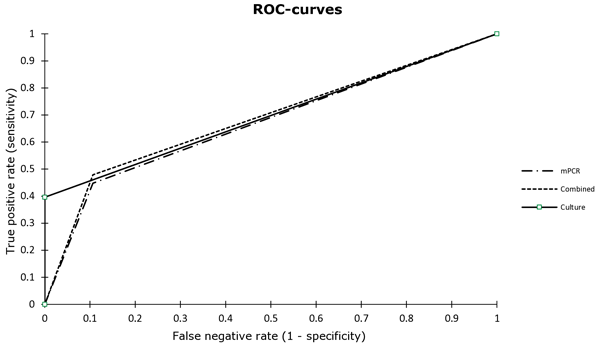
The novel multiplex polymerase chain reaction (mPCR), BioFire® Joint Infection Panel (BF-JIP; bioMérieux, Marcy-l’Étoile, France), demonstrated similar diagnostic accuracy to conventional synovial fluid culture and can therefore serve as a valuable adjunct in diagnosing septic arthritis in adults, particularly in patients with prior antimicrobial therapy.
Irene K. Sigmund, Marjan Wouthuyzen-Bakker, Tristan Ferry, Ricardo Sousa, Daniel Pérez-Prieto, Alex Soriano, Volker Alt, Willem J. Metsemakers, Martin Clauss, and Rihard Trebse
J. Bone Joint Infect., 11, 651–654, https://doi.org/10.5194/jbji-11-651-2026, https://doi.org/10.5194/jbji-11-651-2026, 2026
Short summary
Short summary
Sinus tracts are currently classified as present or absent in PJI definitions. Although appropriate for diagnosis, this binary approach does not reflect the considerable heterogeneity encountered in clinical practice. This Viewpoint highlights characteristics that may determine sinus tract complexity and proposes a framework for future standardized characterization to better inform surgical decision-making and treatment outcomes.
Laura Bessems, Jolien Onsea, Marjan Wouthuyzen-Bakker, Irene K. Sigmund, Tristan Ferry, Richard Kuehl, Martin Clauss, Alex Soriano, Ricardo Sousa, Annette Schuermans, and Willem-Jan Metsemakers
J. Bone Joint Infect., 11, 489–492, https://doi.org/10.5194/jbji-11-489-2026, https://doi.org/10.5194/jbji-11-489-2026, 2026
Short summary
Short summary
We examined whether patients with musculoskeletal infections need to be separated in hospital. A review of published studies found no support for routine isolation or dedicated wards for infections without multidrug-resistant organisms when standard precautions are applied. An international survey showed wide variation in clinician attitudes. These findings highlight a gap between evidence and perception and support a more risk-based approach.
Loïc Fonkoué, Elizabeth K. Tissingh, Leonard C. Marais, Mbonisi Malaba, Kidanemariam Abrha, Jamie Ferguson, Mario Morgenstern, Olivier Cornu, Maritz Laubscher, Randy Buzisa Mbuku, George W. Galiwango, Matthijs Botman, Justyna Wojno, Mtebe Venance Majigo, Claude Martin Jr., William James Harrison, Alexander Thomas Schade, Kebba Marenah, Malvern Nyamutora, Phiona E. Namale, Vuyisa Mdingi, and Martin McNally
J. Bone Joint Infect., 11, 401–411, https://doi.org/10.5194/jbji-11-401-2026, https://doi.org/10.5194/jbji-11-401-2026, 2026
Short summary
Short summary
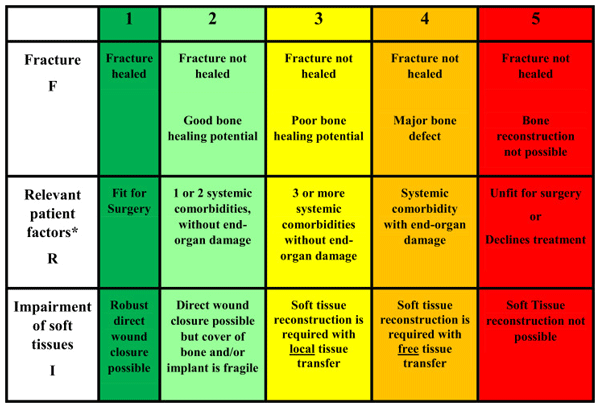
Fracture-related infection is a serious problem after broken bones, especially in low-resource settings where specialist care and services are limited. An international expert group developed practical recommendations adapted to these realities. The guidance focuses on early fracture care, simple diagnostic approaches, flexible antibiotic use, affordable local treatments, good soft tissue management, and teamwork, aiming to improve safe and effective care in resource-limited environments.
Goran Georgievski, Nike Walter, Ronald Man Yeung Wong, Irene Katharina Sigmund, Ashok Kanuri, Christian Heiss, and Markus Rupp
J. Bone Joint Infect., 11, 219–228, https://doi.org/10.5194/jbji-11-219-2026, https://doi.org/10.5194/jbji-11-219-2026, 2026
Short summary
Short summary
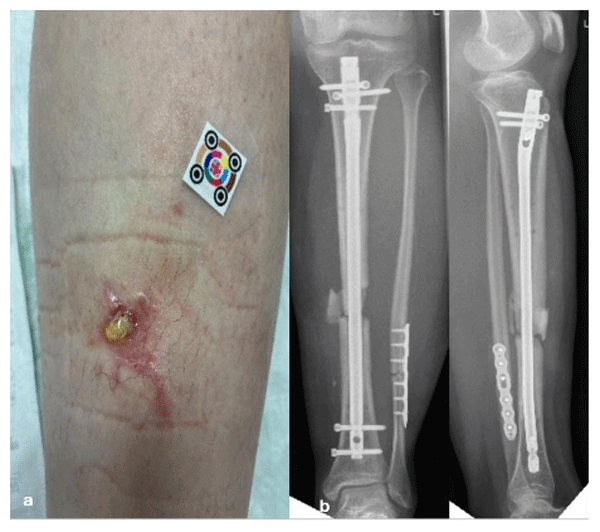
This article outlines 20 common errors in the prevention, diagnosis, and management of fracture-related infection (FRI), highlighting their clinical consequences and providing practical recommendations for avoiding them. By addressing typical pitfalls and emphasizing standardized procedures and interdisciplinary collaboration, the article aims to improve patient safety and treatment outcomes.
Loïc Fonkoué, Elizabeth K. Tissingh, Cilia Ngang, Olivier Kennedy Muluem, Jasmine Sibatcheu Simo, Richard Douvamai, Jean Bahebeck, Olivier Cornu, and Martin McNally
J. Bone Joint Infect., 11, 53–63, https://doi.org/10.5194/jbji-11-53-2026, https://doi.org/10.5194/jbji-11-53-2026, 2026
Short summary
Short summary
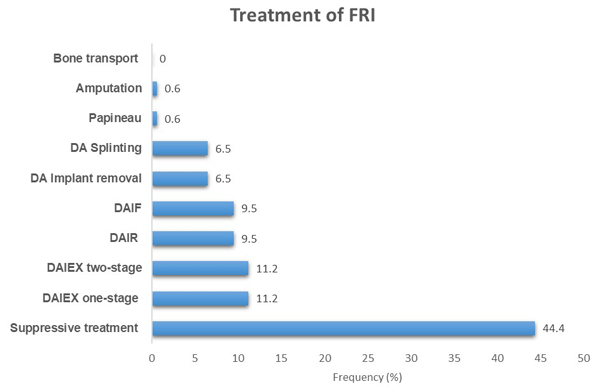
This study assessed whether the diagnosis and management of fracture-related infections (FRIs) in a low- and middle-income countries (LMICs) currently align with consensus guidelines. We found that two-thirds of cases are managed outside the international guidelines. While the consensus definition is applicable, diagnostic capacity remains limited and microbiological standards are often impractical. Our findings highlight the need to adapt guidelines to local realities and to strengthen capacity in LMICs.
Josefine Slater, Maiken Stilling, Andreas Engel Krag, Sara Kousgaard Tøstesen, Mads Kristian Duborg Mikkelsen, Martin McNally, Alexander James Ramsden, Louise Kruse Jensen, Birgitte Jul Kiil, and Mats Bue
J. Bone Joint Infect., 10, 597–607, https://doi.org/10.5194/jbji-10-597-2025, https://doi.org/10.5194/jbji-10-597-2025, 2025
Short summary
Short summary
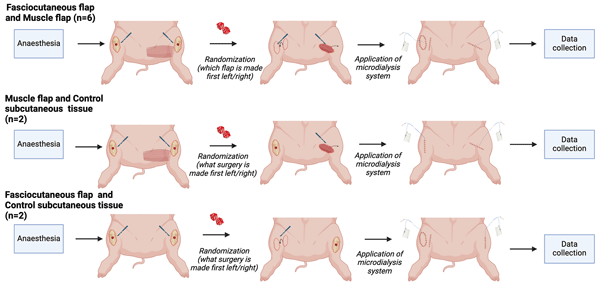
We developed a pig model to study how different tissue flaps support the healing microenvironment of lower-leg composite defects. By measuring tissue metabolism and examining tissue samples under the microscope, we found distinct early responses between muscle and fascia-based flaps. This model may help researchers and clinicians better understand the healing of complex bone and soft-tissue defects and may provide a platform for evaluating clinically relevant ortho-plastic outcomes.
Laura Bessems, Jolien Onsea, Baixing Chen, Marjan Wouthuyzen-Bakker, Irene K. Sigmund, Tristan Ferry, Richard Kuehl, Martin Clauss, Alex Soriano, Ricardo Sousa, Annette Schuermans, and Willem-Jan Metsemakers
J. Bone Joint Infect., 10, 489–500, https://doi.org/10.5194/jbji-10-489-2025, https://doi.org/10.5194/jbji-10-489-2025, 2025
Short summary
Short summary
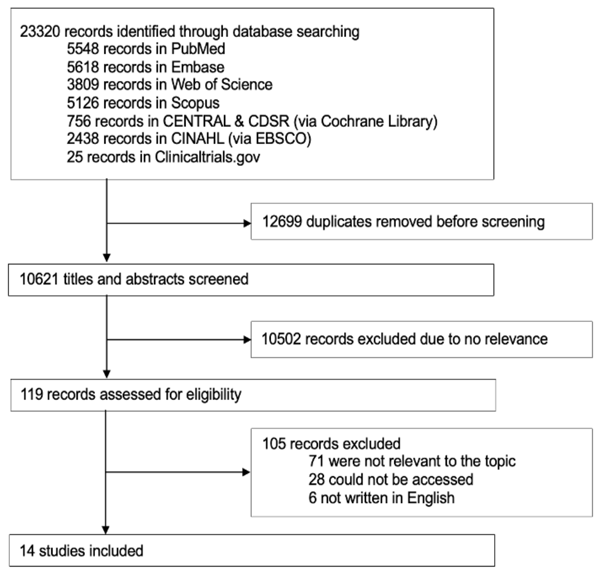
Isolation of patients with musculoskeletal infections in orthopedic care is controversial. Evidence supports selective isolation for certain resistant pathogens but not for non-resistant pathogens, nor does it support the routine use of septic wards. Effective infection control depends on hospital-wide strategies and adherence to standard precautions, with specialized centres offering better care than dedicated isolation units.
Lukas Rabitsch, Markus Luger, Felix Lötsch, Peter Starzengruber, Florian Thalhammer, Reinhard Windhager, Birgit Willinger, and Irene Katharina Sigmund
J. Bone Joint Infect., 10, 437–446, https://doi.org/10.5194/jbji-10-437-2025, https://doi.org/10.5194/jbji-10-437-2025, 2025
Short summary
Short summary
The novel multiplex polymerase chain reaction (mPCR), BioFire® Joint Infection Panel (BF-JIP; bioMérieux, Marcy-l’Étoile, France), demonstrated similar diagnostic accuracy to conventional synovial fluid culture and can therefore serve as a valuable adjunct in diagnosing septic arthritis in adults, particularly in patients with prior antimicrobial therapy.
Laura K. Certain and Irene K. Sigmund
J. Bone Joint Infect., 10, 397–402, https://doi.org/10.5194/jbji-10-397-2025, https://doi.org/10.5194/jbji-10-397-2025, 2025
Short summary
Short summary
The Musculoskeletal Infection Society (MSIS) and the European Bone and Joint Infection Society (EBJIS) are comprised of experts in preventing, diagnosing, and managing orthopedic infections. In 2023, MSIS and EBJIS surveyed their membership about their approach to various clinical aspects of these challenging conditions. The results indicate that, even among experts, there remains substantial variability of practice. This variability reflects open questions in the field.
Irene K. Sigmund, Matthew J. Dietz, Marta Sabater-Martos, Antony J. R. Palmer, Nicolas Cortés-Penfield, and the “Serum Marker Workgroup” for the Unified PJI Definition Taskforce
J. Bone Joint Infect., 10, 363–376, https://doi.org/10.5194/jbji-10-363-2025, https://doi.org/10.5194/jbji-10-363-2025, 2025
Short summary
Short summary
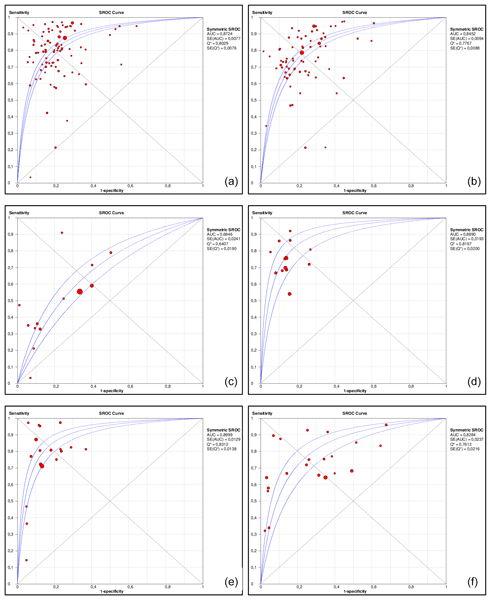
Serum C-reactive protein, fibrinogen, and interleukin-6 show the best performance among serum markers for diagnosing periprosthetic joint infection (PJI), but they lack sufficient accuracy to confirm or exclude infection reliably. These markers should be re-evaluated in future PJI definitions, as they are not suitable as stand-alone tests. Given their limitations and the superior diagnostic performance of synovial markers, the role of serum markers in PJI diagnosis should be reconsidered.
Antonio Loro, Fulvio Franceschi, Muhumuza M. Fisha, Emmanuel Ewochu, Geoffrey Mwanje, Annamaria Dal Lago, and Martin McNally
J. Bone Joint Infect., 10, 155–163, https://doi.org/10.5194/jbji-10-155-2025, https://doi.org/10.5194/jbji-10-155-2025, 2025
Short summary
Short summary
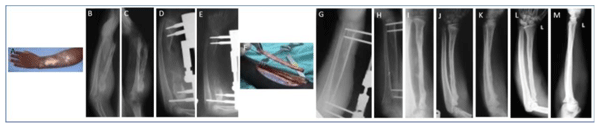
This retrospective study shows that autogenous non-vascularized bone graft is a viable option for managing post-osteomyelitis bone defects in children in low-resource settings. Bone union was achieved in all cases at the last follow-up (minimum of 7 years). Recurrence of infection was seen in two cases. Studies into this specific technique are important as it does not require super-specialized centres or skills, both of which are scarce in low-resource settings.
Irene K. Sigmund, Marjan Wouthuyzen-Bakker, Tristan Ferry, Willem-Jan Metsemakers, Martin Clauss, Alex Soriano, Rihard Trebse, and Ricardo Sousa
J. Bone Joint Infect., 10, 139–142, https://doi.org/10.5194/jbji-10-139-2025, https://doi.org/10.5194/jbji-10-139-2025, 2025
Short summary
Short summary
This is a summary of our position paper on debridement, antimicrobial therapy, and implant retention (DAIR) procedures as a curative treatment strategy for acute periprosthetic hip and knee infections. It includes the defined indications as well as the contraindications of DAIR procedures when eradication/cure is intended, based on the currently available literature.
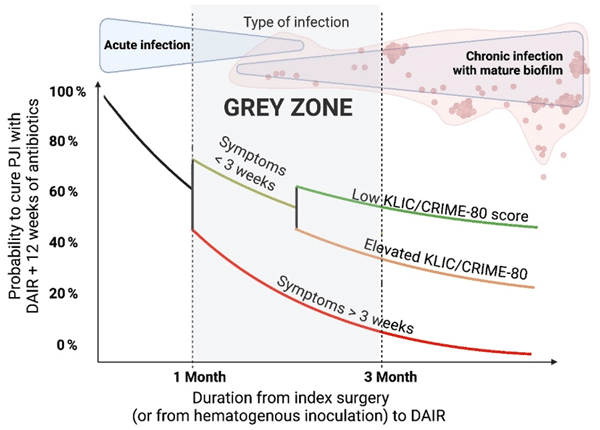
Irene K. Sigmund, Tristan Ferry, Ricardo Sousa, Alex Soriano, Willem-Jan Metsemakers, Martin Clauss, Rihard Trebse, and Marjan Wouthuyzen-Bakker
J. Bone Joint Infect., 10, 101–138, https://doi.org/10.5194/jbji-10-101-2025, https://doi.org/10.5194/jbji-10-101-2025, 2025
Short summary
Short summary
In this paper, we discuss the most relevant factors influencing the outcome and define indications, contraindications, and risk factors of a DAIR procedure based on the currently available literature. Furthermore, we discuss the surgical technique in combination with systemic antimicrobial therapy in patients undergoing a DAIR procedure.
Asanka Wijendra, Alex Ramsden, and Martin McNally
J. Bone Joint Infect., 8, 183–188, https://doi.org/10.5194/jbji-8-183-2023, https://doi.org/10.5194/jbji-8-183-2023, 2023
Short summary
Short summary
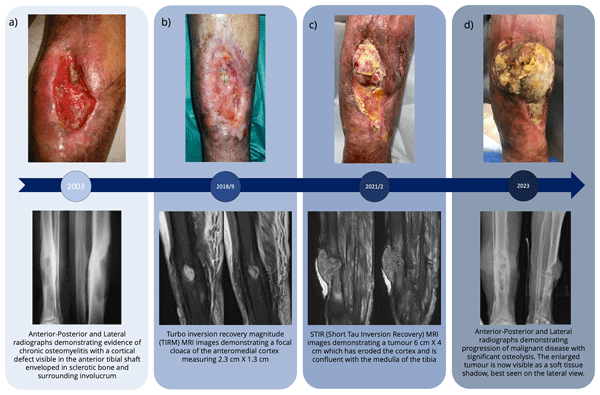
Cancerous transformation is a rare but potentially life-threatening complication of chronic bone infection. As with all forms of cancer, early detection and diagnosis is crucial to outcome.
Whilst there have been over 100 cases of chronic bone infection with cancerous transformation reported in the literature between 1999 and 2020, this is the first case report to document transformation with 20 years of concordant imaging and clinical review.
Niels Vanvelk, Esther M. M. Van Lieshout, Jolien Onsea, Jonathan Sliepen, Geertje Govaert, Frank F. A. IJpma, Melissa Depypere, Jamie Ferguson, Martin McNally, William T. Obremskey, Charalampos Zalavras, Michael H. J. Verhofstad, and Willem-Jan Metsemakers
J. Bone Joint Infect., 8, 133–142, https://doi.org/10.5194/jbji-8-133-2023, https://doi.org/10.5194/jbji-8-133-2023, 2023
Short summary
Short summary
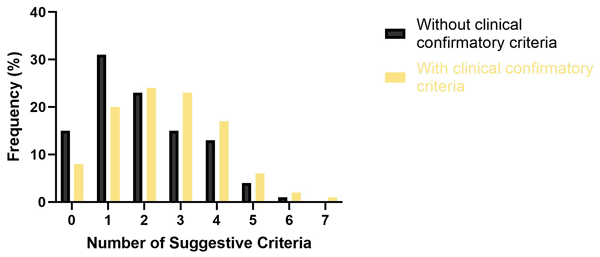
This international retrospective cohort study displays the diagnostic characteristics of 609 patients who were treated for fracture-related infection (FRI). Clinical confirmatory criteria were present in 77% of patients. In the remaining patients, the decision to operatively collect deep tissue cultures had to be based on a set of suggestive criteria. The combined use of these suggestive criteria should guide treating physicians in the management pathway of FRI.
Cited articles
Alijanipour, P., Adeli, B., Hansen, E. N., Chen, A. F., and Parvizi, J.: Intraoperative Purulence Is Not Reliable for Diagnosing Periprosthetic Joint Infection, J. Arthroplasty, 30, 1403–1406, https://doi.org/10.1016/j.arth.2015.03.005, 2015.
Archibeck, M. J., Rosenberg, A. G., Sheinkop, M. B., Berger, R. A., and Jacobs, J. J.: Gout-induced arthropathy after total knee arthroplasty: a report of two cases, Clin. Orthop. Relat. Res., 377–382, https://doi.org/10.1097/00003086-200111000-00049, 2001.
Bonnaig, N. S., Freiberg, R. A., and Freiberg, A. A.: Total hip arthroplasty with ceramic-on-ceramic bearing failure from third-body wear, Orthopedics, 34, 132, https://doi.org/10.3928/01477447-20101221-36, 2011.
Browne, J. A., Bechtold, C. D., Berry, D. J., Hanssen, A. D., and Lewallen, D. G.: Failed metal-on-metal hip arthroplasties: a spectrum of clinical presentations and operative findings, Clin. Orthop. Relat. R., 468, 2313–2320, https://doi.org/10.1007/s11999-010-1419-0, 2010.
Budin, M., Luo, T. D., Lausmann, C., Gehrke, T., and Citak, M.: What are the risk factors and microorganism profiles of periprosthetic hip joint infections with a concomitant sinus tract?, Arch. Orthop. Traum. Su., 145, 84, https://doi.org/10.1007/s00402-024-05713-8, 2024.
Chotanaphuti, T., Courtney, P. M., Fram, B., In den Kleef, N. J., Kim, T. K., Kuo, F. C., Lustig, S., Moojen, D. J., Nijhof, M., Oliashirazi, A., Poolman, R., Purtill, J. J., Rapisarda, A., Rivero-Boschert, S., and Veltman, E. S.: Hip and Knee Section, Treatment, Algorithm: Proceedings of International Consensus on Orthopedic Infections, J. Arthroplasty, 34, S393–S397, https://doi.org/10.1016/j.arth.2018.09.024, 2019.
Diaz-Ledezma, C., Higuera, C. A., and Parvizi, J.: Success after treatment of periprosthetic joint infection: a Delphi-based international multidisciplinary consensus, Clin. Orthop. Relat. R., 471, 2374–2382, https://doi.org/10.1007/s11999-013-2866-1, 2013.
Kheir, M. M., Tan, T. L., George, J., Higuera, C. A., Maltenfort, M. G., and Parvizi, J.: Development and Evaluation of a Prognostic Calculator for the Surgical Treatment of Periprosthetic Joint Infection, J. Arthroplasty, 33, 2986–2992, https://doi.org/10.1016/j.arth.2018.04.034, 2018.
Kim, T. Y., Kim, S. J., Lee, Y. K., and Koo, K. H.: Accumulation of fatty marrow in the osteonecrotic hip mimicking joint infection, Clin. Orthop. Relat. R., 470, 877–882, https://doi.org/10.1007/s11999-011-2048-y, 2012.
Klim, S. M., Amerstorfer, F., McNally, M. A., Trebse, R., Slokar, U., Sigmund, I. K., Hecker, A., Reinbacher, P., Leitner, L., Bernhardt, G. A., Leithner, A., Wanko, S., and Glehr, M.: The Sinus Tract in Bone and Joint Infection: Minimally Invasive Salvation or Prolonged Suffering? A Multicenter Study, Journal of Personalized Medicine, 13, https://doi.org/10.3390/jpm13050737, 2023.
Luo, T. D., Budin, M., Karlidag, T., Lausmann, C., Gehrke, T., and Citak, M.: Risk Factors and Microbiological Profile of Knee Periprosthetic Joint Infections With Sinus Tract, J. Arthroplasty, 40, 214–217, https://doi.org/10.1016/j.arth.2024.06.062, 2025.
McNally, M., Sousa, R., Wouthuyzen-Bakker, M., Chen, A. F., Soriano, A., Vogely, H. C., Clauss, M., Higuera, C. A., and Trebse, R.: The EBJIS definition of periprosthetic joint infection, Bone Joint J., 103-B, 18–25, https://doi.org/10.1302/0301-620X.103B1.BJJ-2020-1381.R1, 2021.
Mikhael, M. M., Hanssen, A. D., and Sierra, R. J.: Failure of metal-on-metal total hip arthroplasty mimicking hip infection. A report of two cases, J. Bone Joint Surg. Am., 91, 443–446, https://doi.org/10.2106/jbjs.h.00603, 2009.
Osmon, D. R., Berbari, E. F., Berendt, A. R., Lew, D., Zimmerli, W., Steckelberg, J. M., Rao, N., Hanssen, A., Wilson, W. R., and Infectious Diseases Society of America: Diagnosis and management of prosthetic joint infection: clinical practice guidelines by the Infectious Diseases Society of America, Clin. Infect. Dis., 56, e1–e25, https://doi.org/10.1093/cid/cis803, 2013.
Parvizi, J., Zmistowski, B., Berbari, E. F., Bauer, T. W., Springer, B. D., Della Valle, C. J., Garvin, K. L., Mont, M. A., Wongworawat, M. D., and Zalavras, C. G.: New definition for periprosthetic joint infection: from the Workgroup of the Musculoskeletal Infection Society, Clin. Orthop. Relat. R., 469, 2992–2994, https://doi.org/10.1007/s11999-011-2102-9, 2011.
Parvizi, J., Gehrke, T., and International Consensus Group on Periprosthetic Joint Infection: Definition of periprosthetic joint infection, J. Arthroplasty, 29, 1331, https://doi.org/10.1016/j.arth.2014.03.009, 2014.
Parvizi, J., Tan, T. L., Goswami, K., Higuera, C., Della Valle, C., Chen, A. F., and Shohat, N.: The 2018 Definition of Periprosthetic Hip and Knee Infection: An Evidence-Based and Validated Criteria, J. Arthroplasty, 33, 1309–1314, https://doi.org/10.1016/j.arth.2018.02.078, 2018.
Shohat, N., Tan, T. L., Della Valle, C. J., Calkins, T. E., George, J., Higuera, C., and Parvizi, J.: Development and Validation of an Evidence-Based Algorithm for Diagnosing Periprosthetic Joint Infection, J. Arthroplasty, 34, 2730–2736, https://doi.org/10.1016/j.arth.2019.06.016, 2019.
Sigmund, I. K., Ferry, T., Sousa, R., Soriano, A., Metsemakers, W.-J., Clauss, M., Trebse, R., and Wouthuyzen-Bakker, M.: Debridement, antimicrobial therapy, and implant retention (DAIR) as curative strategy for acute periprosthetic hip and knee infections: a position paper of the European Bone & Joint Infection Society (EBJIS), J. Bone Joint Infect., 10, 101–138, https://doi.org/10.5194/jbji-10-101-2025, 2025.
Tan, T. L., Kheir, M. M., Tan, D. D., and Parvizi, J.: Polymicrobial Periprosthetic Joint Infections: Outcome of Treatment and Identification of Risk Factors, J. Bone Joint Surg. Am., 98, 2082–2088, https://doi.org/10.2106/JBJS.15.01450, 2016.
Tande, A. J. and Patel, R.: Prosthetic joint infection, Clin. Microbiol. Rev., 27, 302–345, https://doi.org/10.1128/cmr.00111-13, 2014.
Thakrar, R. R., Horriat, S., Kayani, B., and Haddad, F. S.: Indications for a single-stage exchange arthroplasty for chronic prosthetic joint infection: a systematic review, Bone Joint J., 101-B, 19–24, https://doi.org/10.1302/0301-620X.101B1.BJJ-2018-0374.R1, 2019.
Trebse, R. and Roskar, S.: Evaluation and interpretation of prosthetic joint infection diagnostic investigations, Int. Orthop., 45, 847–855, https://doi.org/10.1007/s00264-021-04958-x, 2021.
World Medical Association: World Medical Association Declaration of Helsinki: ethical principles for medical research involving human subjects, JAMA, 310, 2191–2194, https://doi.org/10.1001/jama.2013.281053, 2013.
Xu, C., Wang, Q., Kuo, F. C., Goswami, K., Tan, T. L., and Parvizi, J.: The Presence of Sinus Tract Adversely Affects the Outcome of Treatment of Periprosthetic Joint Infections, J. Arthroplasty, 34, 1227–1232, https://doi.org/10.1016/j.arth.2019.02.040, 2019.
Xu, H., Li, S., Liu, S., Li, S., Yin, Z., Du, Y., Weng, X., and Qian, W.: The presence of a sinus tract is associated with reinfection after two-stage revision surgery for prosthetic hip joint infection: a case-control study, BMC Musculoskelet Disord, 25, 721, https://doi.org/10.1186/s12891-024-07840-0, 2024.
Short summary
Sinus tracts communicating with the prosthesis demonstrated high specificity and support their use as a confirmatory criterion for periprosthetic joint infection (PJI). Purulence also showed high specificity but may be better considered to be a suggestive criterion due to challenges in clinical differentiation. Both findings were associated with distinct microbiological patterns and less favourable outcomes, highlighting their clinical relevance.
Sinus tracts communicating with the prosthesis demonstrated high specificity and support their...


