Articles | Volume 11, issue 2
https://doi.org/10.5194/jbji-11-207-2026
© Author(s) 2026. This work is distributed under
the Creative Commons Attribution 4.0 License.
the Creative Commons Attribution 4.0 License.
https://doi.org/10.5194/jbji-11-207-2026
© Author(s) 2026. This work is distributed under
the Creative Commons Attribution 4.0 License.
the Creative Commons Attribution 4.0 License.
Review
| 
09 Apr 2026
Review |
| 09 Apr 2026
| 09 Apr 2026
Is there a role for lavage aspiration after a dry tap in the work-up for potential periprosthetic joint infection? A systematic review
Sander Bruyninckx
CORRESPONDING AUTHOR

Department of Orthopaedic Surgery, University Hospitals Leuven, Leuven, 3000, Belgium
Stijn Ghijselings
Department of Orthopaedic Surgery, University Hospitals Leuven, Leuven, 3000, Belgium
Institute for Orthopaedic Research and Training (IORT), KU Leuven, Leuven, 3000, Belgium
Department of Development and Regeneration, KU Leuven, Leuven, 3000, Belgium
Melissa Depypere
Department of Laboratory Medicine, University Hospitals Leuven, Leuven, 3000, Belgium
Department of Microbiology, Immunology and Transplantation, University Hospitals Leuven, Leuven, 3000, Belgium
Alex Soriano
Department of Infectious Diseases, Hospital Clinic of Barcelona, IDIBAPS, CIBERINF, University of Barcelona, Barcelona, 08036, Spain
Willem-Jan Metsemakers
Department of Development and Regeneration, KU Leuven, Leuven, 3000, Belgium
Department of Trauma Surgery, University Hospitals Leuven, Leuven, 3000, Belgium
Georges Vles
Department of Orthopaedic Surgery, University Hospitals Leuven, Leuven, 3000, Belgium
Institute for Orthopaedic Research and Training (IORT), KU Leuven, Leuven, 3000, Belgium
Department of Development and Regeneration, KU Leuven, Leuven, 3000, Belgium
Related authors
No articles found.
Irene K. Sigmund, Marjan Wouthuyzen-Bakker, Tristan Ferry, Ricardo Sousa, Daniel Pérez-Prieto, Alex Soriano, Volker Alt, Willem J. Metsemakers, Martin Clauss, and Rihard Trebse
J. Bone Joint Infect., 11, 651–654, https://doi.org/10.5194/jbji-11-651-2026, https://doi.org/10.5194/jbji-11-651-2026, 2026
Short summary
Short summary
Sinus tracts are currently classified as present or absent in PJI definitions. Although appropriate for diagnosis, this binary approach does not reflect the considerable heterogeneity encountered in clinical practice. This Viewpoint highlights characteristics that may determine sinus tract complexity and proposes a framework for future standardized characterization to better inform surgical decision-making and treatment outcomes.
Noémie Reinert, Laura Bessems, Martin Clauss, Nader Maai, Jolien Onsea, Georges Vles, Karl Stoffel, Willem-Jan Metsemakers, and Mario Morgenstern
J. Bone Joint Infect., 11, 635–649, https://doi.org/10.5194/jbji-11-635-2026, https://doi.org/10.5194/jbji-11-635-2026, 2026
Short summary
Short summary
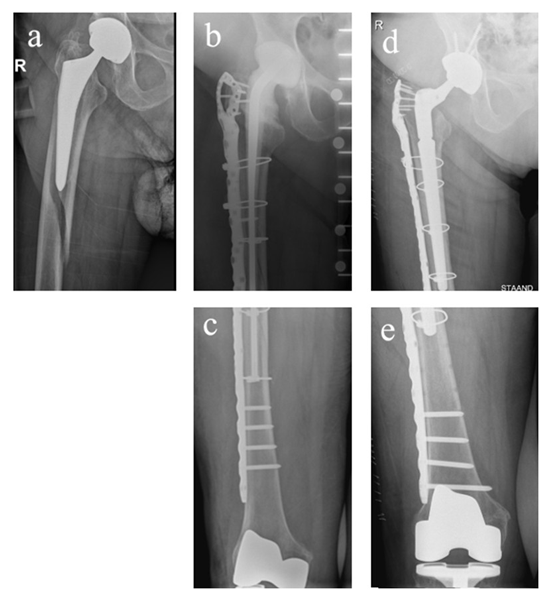
Infected periprosthetic fractures are severe complications in orthopedic surgery with difficult management and high failure rates. This review of 32 studies (273 patients) found limited diagnostic reliability, frequent use of staged revision surgery, and high rates of recurrent infection (21 %) and revision surgeries. Current evidence is sparse and inconsistent, highlighting the need for standardized diagnostics and larger-prospective studies.
Georges F. Vles, Willem-Jan Metsemakers, Laurens Aerden, Jan Geurts, Oliver Borens, and Stijn Ghijselings
J. Bone Joint Infect., 11, 547–554, https://doi.org/10.5194/jbji-11-547-2026, https://doi.org/10.5194/jbji-11-547-2026, 2026
Short summary
Short summary
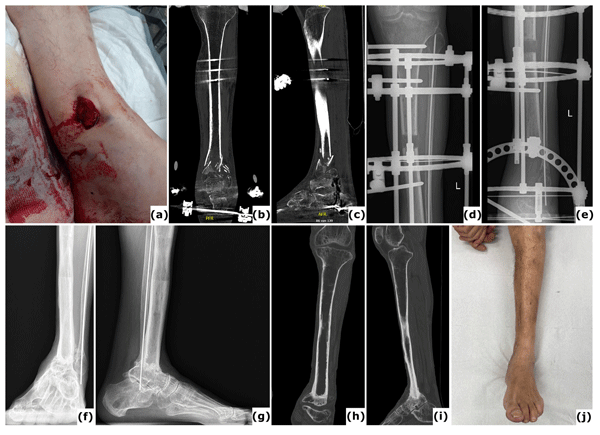
We studied three patients who had both a broken femur and a long-standing infection around an artificial hip, a rare and difficult problem. We treated them in two steps: first removing the implant, cleaning the infection, stabilizing the bone, and placing a temporary bone cement spacer; and then reimplanting the hip prosthesis once infection was controlled. In all cases, the infection cleared, the bone healed, and function improved. This approach may offer a safe way to manage these complex cases.
Laura Bessems, Jolien Onsea, Marjan Wouthuyzen-Bakker, Irene K. Sigmund, Tristan Ferry, Richard Kuehl, Martin Clauss, Alex Soriano, Ricardo Sousa, Annette Schuermans, and Willem-Jan Metsemakers
J. Bone Joint Infect., 11, 489–492, https://doi.org/10.5194/jbji-11-489-2026, https://doi.org/10.5194/jbji-11-489-2026, 2026
Short summary
Short summary
We examined whether patients with musculoskeletal infections need to be separated in hospital. A review of published studies found no support for routine isolation or dedicated wards for infections without multidrug-resistant organisms when standard precautions are applied. An international survey showed wide variation in clinician attitudes. These findings highlight a gap between evidence and perception and support a more risk-based approach.
Willem-Jan Metsemakers, Austin T. Fragomen, Mario Morgenstern, Steffen B. Rosslenbroich, Stephen M. Quinnan, Pablo S. Corona, Mitchell Bernstein, and Kevin Tetsworth
J. Bone Joint Infect., 11, 191–206, https://doi.org/10.5194/jbji-11-191-2026, https://doi.org/10.5194/jbji-11-191-2026, 2026
Short summary
Short summary
Segmental bone loss remains a major challenge, often worsened by fracture-related infection (FRI). Surgical debridement and tissue cultures are key initial steps. Bone transport, utilizing distraction osteogenesis, remains a key therapeutic strategy. Innovations like integrated fixation and motorized nails reduce patient morbidity. Management relies on a multidisciplinary approach. This review explores current and emerging concepts in the field of bone transport, focusing on FRI.

Melissa Depypere, Jonathan Sliepen, Jolien Onsea, Yves Debaveye, T. Fintan Moriarty, Elena Della Bella, Emmanuel André, Johan Van Weyenbergh, and Willem-Jan Metsemakers
J. Bone Joint Infect., 11, 161–173, https://doi.org/10.5194/jbji-11-161-2026, https://doi.org/10.5194/jbji-11-161-2026, 2026
Short summary
Short summary
The aim of this proof-of-concept study was to investigate host immune gene expression through transcriptome profiling in patients with fracture-related infection and to explore the feasibility of detecting 16S rRNA and biofilm-associated genes, an approach not previously applied using this method. This technique revealed distinct immune activation patterns in fracture-related infection (FRI) and enabled the identification of pathogens that were missed by conventional culture techniques.
Niels Vanvelk, Esther M. M. Van Lieshout, Leendert H. T. Nugteren, A. Cornelis Plaisier, Rosalya Van der Pot, Corine Bethlehem, Willem-Jan Metsemakers, William T. Obremskey, and Michael H. J. Verhofstad
J. Bone Joint Infect., 11, 95–103, https://doi.org/10.5194/jbji-11-95-2026, https://doi.org/10.5194/jbji-11-95-2026, 2026
Short summary
Short summary
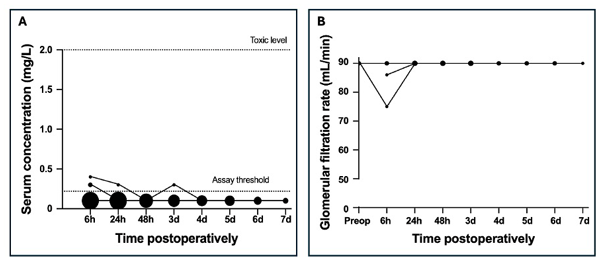
Although local antibiotic administration is used to prevent and treat fracture-related infections, concerns remain about systemic absorption and potential renal toxicity. This study assessed serum levels and renal function after local gentamicin or vancomycin use. Gentamicin exceeded the lower limit of quantification in 17% of cases but remained below toxic levels. Vancomycin was undetectable. These findings suggest that local antibiotic administration does not harm renal function.
Ernesto Muñoz-Mahamud, Melissa Rivera, Ana Belén Larque, Laura Morata, Andrés Combalia, Alfonso Alías, Jenaro Ángel Fernández-Valencia, and Álex Soriano
J. Bone Joint Infect., 11, 43–52, https://doi.org/10.5194/jbji-11-43-2026, https://doi.org/10.5194/jbji-11-43-2026, 2026
Short summary
Short summary
Several factors have been linked to failure in chronic prosthetic joint infection revisions. We hypothesize that osteomyelitis in septic hip revisions is underestimated and may significantly impact outcomes. In this series, 30.8 % of septic revisions exhibited bone samples consistent with osteitis, mainly associated with prolonged unsuccessful surgical and antibiotic treatments, the presence of a sinus tract, and subsequent failure after implant removal.
Benjamin R. Paul, David G. Deckey, Alex Soriano, Andy Miller, and Thorsten M. Seyler
J. Bone Joint Infect., 10, 525–541, https://doi.org/10.5194/jbji-10-525-2025, https://doi.org/10.5194/jbji-10-525-2025, 2025
Short summary
Short summary
A total of 51 studies were reviewed to compare the alpha-defensin enzyme-linked immunosorbent assay (ELISA) and the lateral flow test for diagnosing joint replacement infections. Both tests are highly specific and accurately confirm infection, but ELISA showed greater sensitivity (87.8 % vs. 81.8 %), making it better for detection. These findings support the continued use of ELISA as the preferred diagnostic method.
Laura Bessems, Jolien Onsea, Baixing Chen, Marjan Wouthuyzen-Bakker, Irene K. Sigmund, Tristan Ferry, Richard Kuehl, Martin Clauss, Alex Soriano, Ricardo Sousa, Annette Schuermans, and Willem-Jan Metsemakers
J. Bone Joint Infect., 10, 489–500, https://doi.org/10.5194/jbji-10-489-2025, https://doi.org/10.5194/jbji-10-489-2025, 2025
Short summary
Short summary
Isolation of patients with musculoskeletal infections in orthopedic care is controversial. Evidence supports selective isolation for certain resistant pathogens but not for non-resistant pathogens, nor does it support the routine use of septic wards. Effective infection control depends on hospital-wide strategies and adherence to standard precautions, with specialized centres offering better care than dedicated isolation units.
Jonathan Sliepen, Michelle A. S. Buijs, Jolien Onsea, Geertje A. M. Govaert, Frank F. A. IJpma, Jean-Paul P. M. de Vries, Bart C. H. Van der Wal, Charalampos Zalavras, and Willem-Jan Metsemakers
J. Bone Joint Infect., 10, 347–361, https://doi.org/10.5194/jbji-10-347-2025, https://doi.org/10.5194/jbji-10-347-2025, 2025
Short summary
Short summary
This review assessed the effectiveness of single- and two-stage procedures for treating long-bone fracture-related infections, focusing on unhealed fractures without critical-sized bone defects. A total of 35 studies with 985 patients showed bone-healing rates of 80% for single-stage procedures and 77% for two-stage procedures. Infection eradication rates were 87% for single-stage approaches and 81% for two-stage approaches. The current evidence is inconclusive and lacks sufficient data to favor either approach.
Ann-Sophie Jacob, Jolien Onsea, Laura Bessems, Pauline Spoormans, Georges Vles, Willem-Jan Metsemakers, Sien Ombelet, and Melissa Depypere
J. Bone Joint Infect., 10, 317–326, https://doi.org/10.5194/jbji-10-317-2025, https://doi.org/10.5194/jbji-10-317-2025, 2025
Short summary
Short summary
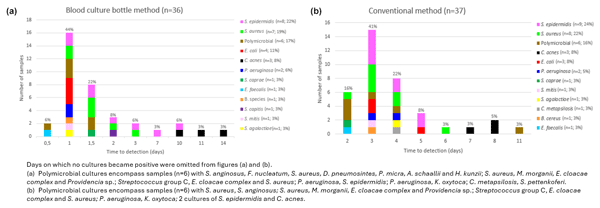
Fracture-related infections (FRIs) and periprosthetic joint infections (PJIs) fail to recover pathogens, posing a diagnostic challenge and impacting treatment. This new method involves homogenising biopsies with beads to release bacteria, followed by inoculation in blood culture bottles using an automated system. This technique shows similar sensitivity to conventional methods, with improved specificity and faster pathogen detection. To date, no other studies have reported an optimized method for incubating biopsies from patients with FRIs.
Marta Sabater-Martos, Laura Morata, Josep Maria Segur, Alex Soriano, and Juan Carlos Martínez-Pastor
J. Bone Joint Infect., 10, 237–241, https://doi.org/10.5194/jbji-10-237-2025, https://doi.org/10.5194/jbji-10-237-2025, 2025
Short summary
Short summary
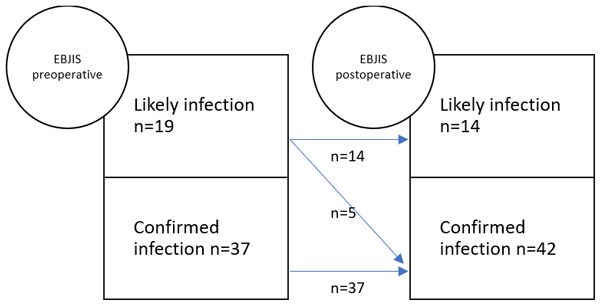
This study's aim was to analyse the healing and failure rates of one-stage knee replacement in patients with positive and negative preoperative cultures and sinus presence. We concluded that culture-negative infections or the presence of a sinus tract showed similar results compared to patients that had undergone the same procedure with positive cultures or spared soft tissue.
Hendrika M. Schenk, Marine Sebillotte, Jose Lomas, Adrian Taylor, Eva Benavent, Oscar Murillo, Marta Fernandez-Sampedro, Kaisa Huotari, Craig Aboltins, Rihard Trebse, Alex Soriano, Marjan Wouthuyzen-Bakker, and on behalf of the ESCMID Study Group on Implant Associated Infections (ESGIAI)
J. Bone Joint Infect., 10, 217–224, https://doi.org/10.5194/jbji-10-217-2025, https://doi.org/10.5194/jbji-10-217-2025, 2025
Short summary
Short summary
Patients with rheumatoid arthritis have a high treatment failure rate when faced with a late acute periprosthetic joint infection. Because of the rarity of the condition, we performed a multicenter case-control study. We identified predictors of treatment failure to ultimately improve the treatment outcome. Exchange of modular components seems important in this patient group, likely due to a higher rate of positive blood cultures compared to control patients.
Irene K. Sigmund, Marjan Wouthuyzen-Bakker, Tristan Ferry, Willem-Jan Metsemakers, Martin Clauss, Alex Soriano, Rihard Trebse, and Ricardo Sousa
J. Bone Joint Infect., 10, 139–142, https://doi.org/10.5194/jbji-10-139-2025, https://doi.org/10.5194/jbji-10-139-2025, 2025
Short summary
Short summary
This is a summary of our position paper on debridement, antimicrobial therapy, and implant retention (DAIR) procedures as a curative treatment strategy for acute periprosthetic hip and knee infections. It includes the defined indications as well as the contraindications of DAIR procedures when eradication/cure is intended, based on the currently available literature.
Irene K. Sigmund, Tristan Ferry, Ricardo Sousa, Alex Soriano, Willem-Jan Metsemakers, Martin Clauss, Rihard Trebse, and Marjan Wouthuyzen-Bakker
J. Bone Joint Infect., 10, 101–138, https://doi.org/10.5194/jbji-10-101-2025, https://doi.org/10.5194/jbji-10-101-2025, 2025
Short summary
Short summary
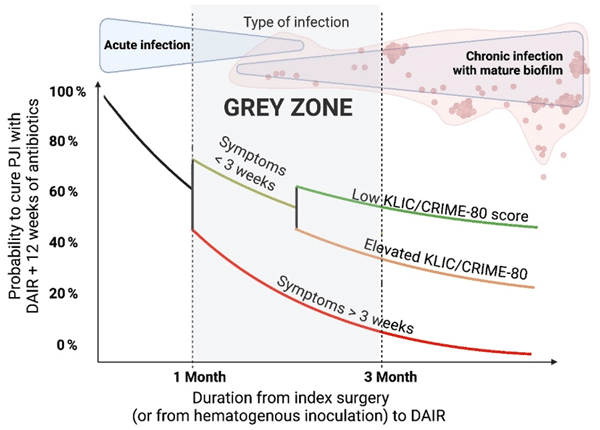
In this paper, we discuss the most relevant factors influencing the outcome and define indications, contraindications, and risk factors of a DAIR procedure based on the currently available literature. Furthermore, we discuss the surgical technique in combination with systemic antimicrobial therapy in patients undergoing a DAIR procedure.
Marta Sabater-Martos, Oscar Garcia, Laia Boadas, Laura Morata, Alex Soriano, and Juan Carlos Martínez-Pastor
J. Bone Joint Infect., 10, 41–49, https://doi.org/10.5194/jbji-10-41-2025, https://doi.org/10.5194/jbji-10-41-2025, 2025
Short summary
Short summary
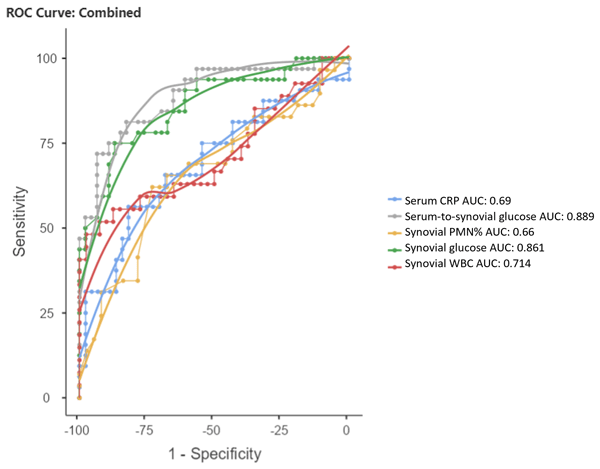
This is a retrospective diagnostic study in acute postoperative prosthetic joint infection in total knee arthroplasty that wants to determine diagnostic accuracy of synovial glucose and serum-to-synovial glucose ratio in acute postoperative infection. Both tests demonstrated good diagnostic potential. Notably, these biomarkers exhibited superior accuracy compared to the combination of C-reactive protein, synovial white blood cell count and polymorphonuclear percentage.
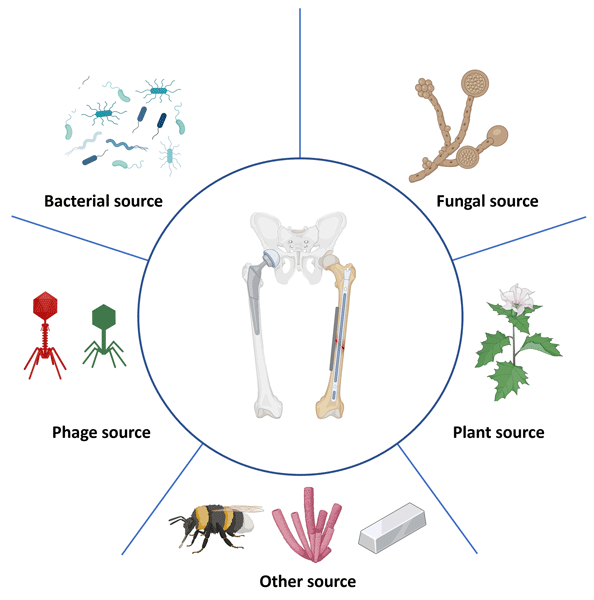
Baixing Chen, T. Fintan Moriarty, Hans Steenackers, Georges F. Vles, Jolien Onsea, Thijs Vackier, Isabel Spriet, Rob Lavigne, R. Geoff Richards, and Willem-Jan Metsemakers
J. Bone Joint Infect., 9, 249–260, https://doi.org/10.5194/jbji-9-249-2024, https://doi.org/10.5194/jbji-9-249-2024, 2024
Short summary
Short summary
Our research explores natural antimicrobials to combat orthopedic-device-related infections, a challenging issue due to antibiotic resistance. We reviewed agents from bacteria, fungi, viruses, animals, plants and minerals, evaluating their effectiveness and synergy with traditional antibiotics. Our findings suggest these natural alternatives could revolutionize infection management in orthopedic patients, offering new hope for reducing antibiotic resistance and improving treatment outcomes.
Laia Boadas-Gironès, Marta Sabater-Martos, Marc Ferrer-Banus, Àlex Soriano-Viladomiu, and Juan Carlos Martínez-Pastor
J. Bone Joint Infect., 9, 241–248, https://doi.org/10.5194/jbji-9-241-2024, https://doi.org/10.5194/jbji-9-241-2024, 2024
Short summary
Short summary
When acute soft tissue defects are present after knee arthroplasty, the infection risk is high. A gastrocnemius flap is used for anterior defects, and it is not usually combined with debridement surgery unless infection is clear. We examined the benefit of combining coverage treatment with debridement surgery, DAIR, comparing the isolated traditional coverage treatment. The results suggested a higher healing rate in the combined treatment, so we recommended it.
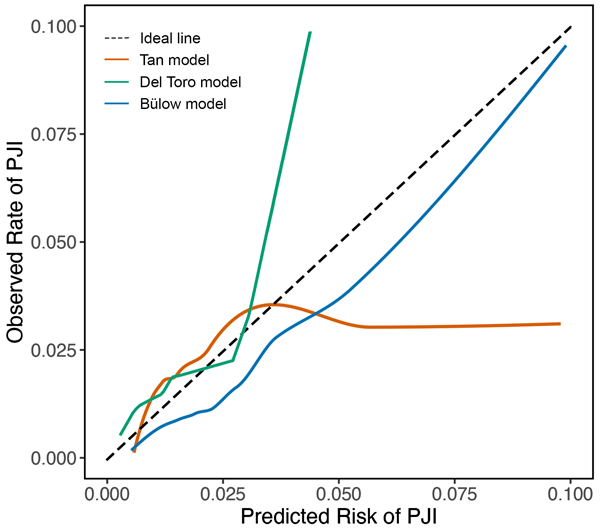
Seung-Jae Yoon, Paul C. Jutte, Alex Soriano, Ricardo Sousa, Wierd P. Zijlstra, and Marjan Wouthuyzen-Bakker
J. Bone Joint Infect., 9, 231–239, https://doi.org/10.5194/jbji-9-231-2024, https://doi.org/10.5194/jbji-9-231-2024, 2024
Short summary
Short summary
This study validated three models for predicting infection after hip and knee replacement surgery. By analyzing data from 2684 patients in the Netherlands, Portugal, and Spain, we found that the models developed by Tan, Del Toro, and Bülow effectively identified high-risk patients. These models can be used to enhance preoperative counseling and to tailor infection prevention measures individually, potentially improving outcomes and reducing healthcare costs.
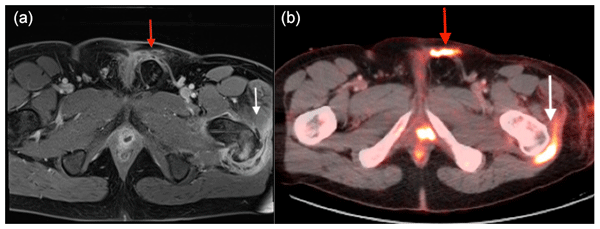
Fred Ruythooren, Stijn Ghijselings, Melissa Depypere, Willem-Jan Metsemakers, Liesbet Henckaerts, Nathalie Noppe, and Georges Vles
J. Bone Joint Infect., 9, 167–171, https://doi.org/10.5194/jbji-9-167-2024, https://doi.org/10.5194/jbji-9-167-2024, 2024
Short summary
Short summary
The article examines a unique case of Ureaplasma urealyticum causing osteomyelitis in the greater trochanter of a 26-year-old male treated with ocrelizumab for multiple sclerosis. It emphasizes the necessity of a multidisciplinary approach and advanced PCR diagnostics to manage such rare opportunistic infections effectively, highlighting the challenges faced due to the immunosuppressive nature of monoclonal antibody therapies of this kind.
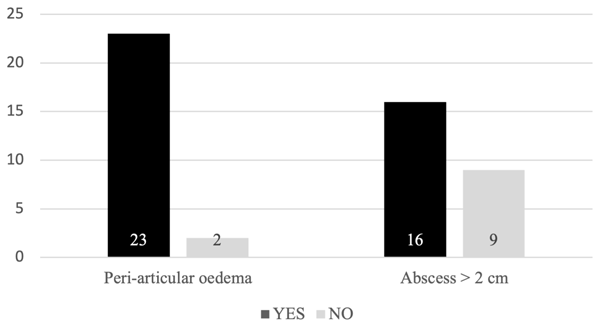
Jordi Cools, Stijn Ghijselings, Fred Ruythooren, Sander Jentjens, Nathalie Noppe, Willem-Jan Metsemakers, and Georges Vles
J. Bone Joint Infect., 9, 27–35, https://doi.org/10.5194/jbji-9-27-2024, https://doi.org/10.5194/jbji-9-27-2024, 2024
Short summary
Short summary
Septic arthritis (SA) of the native adult hip is a rare orthopaedic emergency. To date, the role of advanced imaging has been confined to supporting or opposing diagnosis; however, implications for surgical decision-making and outcomes have not yet been established. We found that extra-articular abscesses are present in two out of three patients and require varying anatomical approaches. Therefore, we recommend routinely performing advanced imaging in all adults with SA of the native hip joint.
Marta Sabater-Martos, Marc Ferrer, Laura Morata, Alex Soriano, and Juan Carlos Martínez-Pastor
J. Bone Joint Infect., 9, 17–26, https://doi.org/10.5194/jbji-9-17-2024, https://doi.org/10.5194/jbji-9-17-2024, 2024
Short summary
Short summary
This is a meta-analysis of six studies describing the cutoff values of white blood cell count and polymorphonuclear percentage in synovial fluid for the diagnosis of acute postoperative peri-prosthetic joint infection (PJI).
We found that both the WBC count and PMN percentage are good markers for diagnosis of acute postoperative PJI. However, the synovial WBC count is more powerful in diagnosing acute postoperative PJI.
We found that both the WBC count and PMN percentage are good markers for diagnosis of acute postoperative PJI. However, the synovial WBC count is more powerful in diagnosing acute postoperative PJI.
Fred Ruythooren, Stijn Ghijselings, Jordi Cools, Melissa Depypere, Paul De Munter, Willem-Jan Metsemakers, and Georges Vles
J. Bone Joint Infect., 8, 209–218, https://doi.org/10.5194/jbji-8-209-2023, https://doi.org/10.5194/jbji-8-209-2023, 2023
Short summary
Short summary
A total of 41 patients who underwent surgical treatment for septic arthritis (SA) of the native hip were studied. We show that patients with SA of the native hip can be divided in three distinct clinical subgroups based on route of infection. Route of infection is directly related to the chance of femoral head preservation and should, therefore, be the basis for decision-making. Only patients with blood-borne infections in an undamaged hip had a reasonable chance of femoral head preservation.
Niels Vanvelk, Esther M. M. Van Lieshout, Jolien Onsea, Jonathan Sliepen, Geertje Govaert, Frank F. A. IJpma, Melissa Depypere, Jamie Ferguson, Martin McNally, William T. Obremskey, Charalampos Zalavras, Michael H. J. Verhofstad, and Willem-Jan Metsemakers
J. Bone Joint Infect., 8, 133–142, https://doi.org/10.5194/jbji-8-133-2023, https://doi.org/10.5194/jbji-8-133-2023, 2023
Short summary
Short summary
This international retrospective cohort study displays the diagnostic characteristics of 609 patients who were treated for fracture-related infection (FRI). Clinical confirmatory criteria were present in 77% of patients. In the remaining patients, the decision to operatively collect deep tissue cultures had to be based on a set of suggestive criteria. The combined use of these suggestive criteria should guide treating physicians in the management pathway of FRI.
Christen Ravn, Jeroen Neyt, Natividad Benito, Miguel Araújo Abreu, Yvonne Achermann, Svetlana Bozhkova, Liselotte Coorevits, Matteo Carlo Ferrari, Karianne Wiger Gammelsrud, Ulf-Joachim Gerlach, Efthymia Giannitsioti, Martin Gottliebsen, Nis Pedersen Jørgensen, Tomislav Madjarevic, Leonard Marais, Aditya Menon, Dirk Jan Moojen, Markus Pääkkönen, Marko Pokorn, Daniel Pérez-Prieto, Nora Renz, Jesús Saavedra-Lozano, Marta Sabater-Martos, Parham Sendi, Staffan Tevell, Charles Vogely, Alex Soriano, and the SANJO guideline group
J. Bone Joint Infect., 8, 29–37, https://doi.org/10.5194/jbji-8-29-2023, https://doi.org/10.5194/jbji-8-29-2023, 2023
Short summary
Short summary
Management of septic arthritis in native joints (SANJO) is often conducted by clinicians of different specialties, experience levels, and at all hours of the day. The SANJO guideline group makes evidence-based recommendations for diagnosis, microbiological investigation, initial surgery, empirical antibiotic treatment, early mobilization, evaluation of outcomes, and treatment failure. Special considerations were made for children, tuberculosis, and SANJO after cruciate ligament reconstruction.

Efthymia Giannitsioti, Mauro José Salles, Andreas Mavrogenis, Dolors Rodriguez-Pardo, Ibai Los-Arcos, Alba Ribera, Javier Ariza, María Dolores del Toro, Sophie Nguyen, Eric Senneville, Eric Bonnet, Monica Chan, Maria Bruna Pasticci, Sabine Petersdorf, Natividad Benito, Nuala O' Connell, Antonio Blanco García, Gábor Skaliczki, Pierre Tattevin, Zeliha Kocak Tufan, Nikolaos Pantazis, Panayiotis D. Megaloikonomos, Panayiotis Papagelopoulos, Alejandro Soriano, Antonios Papadopoulos, and the ESGIAI collaborators study group
J. Bone Joint Infect., 7, 279–288, https://doi.org/10.5194/jbji-7-279-2022, https://doi.org/10.5194/jbji-7-279-2022, 2022
Short summary
Short summary
Our multicentre study on a lower-limb osteosynthesis-associated infection (OAI) cohort by multidrug (MDR) and extensively drug (XDR) resistant Gram-negative bacteria found the following: implant retention with debridement was mostly performed in early OAI; 50.9 % of patients achieved remission of infection; remission reached 50 % (MDR) vs. 25 % (XDR) in early OAI and 60 % (MDR) vs. 44.4 % (XDR) in late OAI; age (> 60) and multiple surgeries were independent factors influencing lack of remission.
Ernesto Muñoz-Mahamud, Eduard Tornero, José A. Estrada, Jenaro A. Fernández-Valencia, Juan C. Martínez-Pastor, and Álex Soriano
J. Bone Joint Infect., 7, 109–115, https://doi.org/10.5194/jbji-7-109-2022, https://doi.org/10.5194/jbji-7-109-2022, 2022
Short summary
Short summary
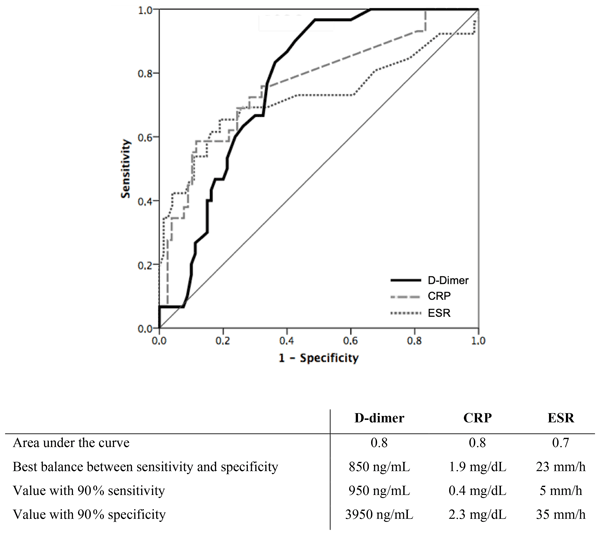
A patient with normal D-dimer value has a low risk of prosthetic joint infection, so serum D-dimer assessment should always be considered as a useful test to rule out chronic prosthetic joint infection (especially in those cases caused by low-virulence microorganisms in which conventional tests may lead to misdiagnosis). Conversely, the platelet count to mean platelet volume ratio may be of limited value for accurately diagnosing prosthetic joint infection.
Cited articles
Ali, F., Wilkinson, J. M., Cooper, J. R., Kerry, R. M., Hamer, A. J., Norman, P., and Stockley, I.: Accuracy of joint aspiration for the preoperative diagnosis of infection in total hip arthroplasty, J. Arthroplasty, 21, 221–226, https://doi.org/10.1016/j.arth.2005.05.027, 2006.
Barker, C. J., Marriot, A., Khan, M., Oswald, T., Tingle, S. J., Partington, P. F., Carluke, I., and Reed, M. R.: Hip aspiration culture: analysing data from a single operator series investigating periprosthetic joint infection, J. Bone Joint Infect., 6, 165–170, https://doi.org/10.5194/jbji-6-165-2021, 2021.
Barrack, R. L. and Harris, W. H.: The value of aspiration of the hip joint before revision total hip arthroplasty, J. Bone Joint Surg. Am., 75, 66–76, https://doi.org/10.2106/00004623-199301000-00010, 1993.
Battaglia, M., Vannini, F., Guaraldi, F., Rossi, G., Biondi, F., and Sudanese, A.: Validity of preoperative ultrasound-guided aspiration in the revision of hip prosthesis, Ultrasound Med. Biol., 37, 1977–1983, https://doi.org/10.1016/j.ultrasmedbio.2011.09.004, 2011.
Blake, M. P. and Halasz, S. J.: The effects of X-ray contrast media on bacterial growth, Australas. Radiol., 39, 10–13, https://doi.org/10.1111/j.1440-1673.1995.tb00223.x, 1995.
Burgo, F., Stangl, W. P., Lumban Gaol, I., Kvederas, G., Reed, M., Gado, I., Al Maskari, S., Olivetto, R., and Davies, A.: HK21: Should saline be injected into a joint during a dry aspiration (tap)? ICMORTHO, https://www.icmortho.org/_files/ugd/34d74b_8cced98f92f241f98b2afb4e71d6e1d3.pdf, last access: 30 October 2025.
Cheung, A., Lachiewicz, P. F., and Renner, J. B.: The role of aspiration and contrast-enhanced arthrography in evaluating the uncemented hip arthroplasty, AJR Am. J. Roentgenol., 168, 1305–1309, https://doi.org/10.2214/ajr.168.5.9129431, 1997.
Christensen, T. H., Ong, J., Lin, D., Aggarwal, V. K., Schwarzkopf, R., and Rozell, J. C.: How does a “dry tap” impact the accuracy of preoperative aspiration results in predicting chronic periprosthetic joint infection?, J. Arthroplasty, 37, 925–929, https://doi.org/10.1016/j.arth.2022.01.066, 2022.
Duff, G. P., Lachiewicz, P. F., and Kelley, S. S.: Aspiration of the knee joint before revision arthroplasty, Clin. Orthop. Relat. R., 331, 132–139, https://doi.org/10.1097/00003086-199610000-00018, 1996.
Durst, C. R., Rezzadeh, K. T., Than, J. P., Rajaee, S. S., and Spitzer, A. I.: Intra-Articular Corticosteroid Injections Into a Preexisting Total Knee Arthroplasty are Associated With Increased Risk of Periprosthetic Joint Infection and Revision, Arthroplasty Today, 24, 101237, https://doi.org/10.1016/j.artd.2023.101237, 2023.
Fehring, T. K. and Cohen, B.: Aspiration as a guide to sepsis in revision total hip arthroplasty, J. Arthroplasty, 11, 543–547, https://doi.org/10.1016/S0883-5403(96)80107-0, 1996.
Fitzgerald Jr., R. H., Nolan, D. R., Ilstrup, D. M., Van Scoy, R. E., Washington 2nd, J. A., and Coventry, M. B.: Deep wound sepsis following total hip arthroplasty, J. Bone Joint Surg. Am., 59, 847–855, 1977.
Geirsson, A. J., Statkevicius, S., and Vikingsson, A.: Septic arthritis in Iceland 1990–2002: increasing incidence due to iatrogenic infections, Ann. Rheum. Dis., 67, 638–643, https://doi.org/10.1136/ard.2007.077131, 2008.
Glithero, P. R., Grigoris, P., Harding, L. K., Hesslewood, S. R., and McMinn, D. J.: White cell scans and infected joint replacements: failure to detect chronic infection, J. Bone Joint Surg. Br., 75, 371–374, https://doi.org/10.1302/0301-620X.75B3.8496202, 1993.
Heckmann, N. D., Nahhas, C. R., Yang, J., Della Valle, C. J., Yi, P. H., Culvern, C. N., and Klein, G. R.: Saline lavage after a “dry tap”, Bone Joint J., 102-B, 138–144, https://doi.org/10.1302/0301-620X.102B6.BJJ-2019-1679.R1, 2020.
Kanthawang, T., Bodden, J., Joseph, G. B., Vail, T., Ward, D., Patel, R., and Link, T. M.: Diagnostic value of fluoroscopy-guided hip aspiration for periprosthetic joint infection, Skeletal Radiol., 50, 2245–2254, https://doi.org/10.1007/s00256-021-03795-8, 2021.
Keating, T. C., Guntin, J., Harkin, W. E., Weintraub, M. T., Karas, V., and Berger, R. A.: Low risk of acute iatrogenic periprosthetic joint infection after prosthetic joint aspiration, J. Arthroplasty, 38, 1861–1863, https://doi.org/10.1016/j.arth.2023.03.053, 2023.
Kraemer, W. J., Saplys, R., Waddell, J. P., and Morton, J.: Bone scan, gallium scan, and hip aspiration in the diagnosis of infected total hip arthroplasty, J. Arthroplasty, 8, 611–616, https://doi.org/10.1016/0883-5403(93)90008-R, 1993.
Kung, J. W., Yablon, C., Huang, E. S., Hennessey, H., and Wu, J. S.: Clinical and radiologic predictive factors of septic hip arthritis, AJR Am. J. Roentgenol., 199, 868–872, https://doi.org/10.2214/AJR.10.6273, 2012.
Lachiewicz, P. F., Rogers, G. D., and Thomason, H. C.: Aspiration of the hip joint before revision total hip arthroplasty: clinical and laboratory factors influencing attainment of a positive culture, J. Bone Joint Surg. Am., 78, 749–754, https://doi.org/10.2106/00004623-199605000-00015, 1996.
Levitsky, K. A., Hozack, W. J., Balderston, R. A., Rothman, R. H., Gluckman, S. J., Maslack, M. M., and Booth Jr., R. E.: Evaluation of the painful prosthetic joint: relative value of bone scan, sedimentation rate, and joint aspiration, J. Arthroplasty, 6, 237–244, https://doi.org/10.1016/S0883-5403(06)80170-1, 1991.
Li, R., Lu, Q., Chai, W., Hao, L. B., Lu, S. B., and Chen, J. Y.: Saline solution lavage and reaspiration for culture with a blood culture system is a feasible method for diagnosing periprosthetic joint infection in patients with insufficient synovial fluid, J. Bone Joint Surg. Am., 101, 1004–1009, https://doi.org/10.2106/JBJS.18.01052, 2019.
Li, R., Li, X., Ni, M., Zheng, Q. Y., Zhang, G. Q., and Chen, J. Y.: Anatomic landmark-guided hip aspiration in the diagnosis of periprosthetic joint infection, Orthopedics, 44, e85–e90, https://doi.org/10.3928/01477447-20201007-04, 2021.
Lopitaux, R., Levai, J. P., Raux, P., Hermet, R., Grenier-Gaudin, A., and Sirot, J.: Intérêt de la ponction-arthrographie de hanche dans le diagnostic d'infection sur prothèse totale, Rev. Chir. Orthop. Reparatrice Appar. Mot., 78, 34–37, 1992.
Macnair, R., Rajakulasingam, R., Singh, S., Khoo, M., Upadhyay, B., Hargunani, R., and Pressney, I.: Image-guided synovial biopsy with a focus on infection, Skeletal Radiol., 52, 831–841, https://doi.org/10.1007/s00256-022-04245-9, 2023.
Magnuson, J. E., Brown, M. L., Hauser, M. F., Berquist, T. H., Fitzgerald Jr., R. H., and Klee, G. G.: In-111-labeled leukocyte scintigraphy in suspected orthopedic prosthesis infection: comparison with other imaging modalities, Radiology, 168, 235–239, https://doi.org/10.1148/radiology.168.1.3380966, 1988.
McNally, M., Sousa, R., Wouthuyzen-Bakker, M., Chen, A. F., Soriano, A., Vogely, H. C., Gumaste, V., and Alt, V.: The EBJIS definition of periprosthetic joint infection, Bone Joint J., 103-B, 18–25, https://doi.org/10.1302/0301-620X.103B1.BJJ-2020-1381.R1, 2021.
Mills, E. S., Elman, M. B., and Foran, J. R. H.: The Risk of Acute Infection Following Intra-articular Corticosteroid Injection Into a Pre-existing Total Knee Arthroplasty, J. Arthroplasty, 33, 216–219, https://doi.org/10.1016/j.arth.2017.07.029, 2018.
Mulcahy, D. M., Fenelon, G. C., and McInerney, D. P.: Aspiration arthrography of the hip joint: its uses and limitations in revision hip surgery, J. Arthroplasty, 11, 64–68, https://doi.org/10.1016/S0883-5403(96)80162-8, 1996.
Newman, J. M., George, J., Klika, A. K., Hatem, S. F., Barsoum, W. K., North, W. T., and Higuera, C. A.: What is the diagnostic accuracy of aspirations performed on hips with antibiotic cement spacers?, Clin. Orthop. Relat. Res., 475, 204–211, https://doi.org/10.1007/s11999-016-5093-8, 2017.
O'Neill, D. A. and Harris, W. H.: Failed total hip replacement: assessment by plain radiographs, arthrograms, and aspiration of the hip joint, J. Bone Joint Surg. Am., 66, 540–546, 1984.
Ong, J., Tang, A., Rozell, J. C., Babb, J. S., Schwarzkopf, R., and Lin, D.: Factors predicting hip joint aspiration yield or “dry taps” in patients with total hip arthroplasty, J. Orthop. Surg. Res., 17, 42, https://doi.org/10.1186/s13018-022-02942-8, 2022.
Partridge, D. G., Winnard, C., Townsend, R., Cooper, R., and Stockley, I.: Joint aspiration, including culture of reaspirated saline after a “dry tap”, is sensitive and specific for the diagnosis of hip and knee prosthetic joint infection, Bone Joint J., 100-B, 749–754, https://doi.org/10.1302/0301-620X.100B6.BJJ-2017-0970.R2, 2018.
Petersen, S. K., Knudsen, A., and Varnum, C.: Low frequency of septic arthritis after arthrocentesis and intra-articular glucocorticoid injection, Scand. J. Rheumatol., 48, 321–324, https://doi.org/10.1080/03009742.2018.1538159, 2019.
Rajakulasingam, R., Cleaver, L., Khoo, M., Pressney, I., Upadhyay, B., and Palanivel, S.: Introducing image-guided synovial aspiration and biopsy in assessing peri-prosthetic joint infection: an early single-centre experience, Skeletal Radiol., 50, 2031–2040, https://doi.org/10.1007/s00256-021-03774-z, 2021.
Randelli, F., Brioschi, M., Randelli, P., Ambrogi, F., Sdao, S., and Aliprandi, A.: Fluoroscopy- vs ultrasound-guided aspiration techniques in the management of periprosthetic joint infection: which is the best?, Radiol. Med., 123, 28–35, https://doi.org/10.1007/s11547-017-0811-1, 2018.
Roberts, P., Walters, A. J., and McMinn, D. J.: Diagnosing infection in hip replacements: the use of fine-needle aspiration and radiometric culture, J. Bone Joint Surg. Br., 74, 265–269, https://doi.org/10.1302/0301-620X.74B2.1544966, 1992.
Rodriguez, H. C., Mekkawy, K. L., Watkins, A., Roche, M. W., Burke, W. V., and Gosthe, R. G.: Risk of Periprosthetic Joint Infection After Intra-Articular Corticosteroid Injection Following Unicompartmental Knee Arthroplasty, J. Arthroplasty, 38, 815–819, https://doi.org/10.1016/j.arth.2022.12.005, 2023.
Roecker, Z., Quinlan, N. D., Browne, J. A., and Werner, B. C.: Risk of Periprosthetic Infection Following Intra-Articular Corticosteroid Injections After Total Knee Arthroplasty, J. Arthroplasty, 35, 1090–1094, https://doi.org/10.1016/j.arth.2019.11.017, 2020.
Russo, A., Budin, M., Luo, T. D., Uribe, A. C., Gehrke, T., and Citak, M.: Open biopsy is a safe procedure in patients who have suspected periprosthetic joint infection of the hip or knee and double-negative joint aspiration, J. Arthroplasty, 40, 3265–3270, https://doi.org/10.1016/j.arth.2025.05.102, 2025.
Schmidt, R. M. and Rosenkranz, H. S.: Antimicrobial activity of local anesthetics: lidocaine and procaine, J. Infect. Dis., 121, 597–607, https://doi.org/10.1093/infdis/121.6.597, 1970.
Serfaty, A., Jacobs, A., Gyftopoulos, S., and Samim, M.: Likelihood of hip infection with image-guided hip aspiration dry tap: a 10-year retrospective study, Skeletal Radiol., 51, 1947–1958, https://doi.org/10.1007/s00256-022-04046-0, 2022.
Sigmund, I. K., Holinka, J., Lang, S., Stenicka, S., Staats, K., Hobusch, G., Lass, R., Windhager, R., and Presterl, E.: A comparative study of intraoperative frozen section and alpha defensin lateral flow test in the diagnosis of periprosthetic joint infection, Acta Orthop., 90, 105–110, https://doi.org/10.1080/17453674.2019.1567153, 2019.
Sigmund, I. K., Bue, M., Kruse Jensen, L., McNally, M. A., Parvizi, J., Sabater-Martos, M., and ICM Meeting 2025: Histological analysis in the diagnosis of periprosthetic joint infection of the hip and knee: a systematic review and meta-analysis, Bone Joint J., 107-B, 1158–1164, https://doi.org/10.1302/0301-620X.107B11.BJJ-2025-0289.R1, 2025.
Somme, D., Ziza, J. M., Desplaces, N., Chicheportiche, V., Chazerain, P., Leonard, P., and Pouchot, J.: Contribution of routine joint aspiration to the diagnosis of infection before hip revision surgery, Joint Bone Spine, 70, 489–495, https://doi.org/10.1016/S1297-319X(03)00058-7, 2003.
Spangehl, M. J., Masri, B. A., O'Connell, J. X., and Duncan, C. P.: Prospective analysis of preoperative and intraoperative investigations for the diagnosis of infection at the sites of two hundred and two revision total hip arthroplasties, J. Bone Joint Surg. Am., 81, 672–683, https://doi.org/10.2106/00004623-199905000-00008, 1999.
Taylor, T. and Beggs, I.: Fine needle aspiration in infected hip replacements, Clin. Radiol., 50, 149–152, https://doi.org/10.1016/S0009-9260(05)83044-2, 1995.
Teller, R. E., Christie, M. J., Martin, W., Nance, E. P., and Haas, D. W.: Sequential indium-labeled leukocyte and bone scans to diagnose prosthetic joint infection, Clin. Orthop. Relat. Res., 373, 241–247, https://doi.org/10.1097/00003086-200004000-00029, 2000.
Tigges, S., Stiles, R. G., Meli, R. J., and Roberson, J. R.: Hip aspiration: a cost-effective and accurate method of evaluating the potentially infected hip prosthesis, Radiology, 189, 485–488, https://doi.org/10.1148/radiology.189.2.8210377, 1993.
Treu, E. A., Cushman, D. M., Wheelwright, J. C., Blackburn, B. E., Teramoto, M., and Archibeck, M. J.: Is ultrasound-guided hip aspiration more successful than fluoroscopic-guided aspiration in diagnosing prosthetic joint infection?, J. Bone Joint Infect., 8, 151–163, https://doi.org/10.5194/jbji-8-151-2023, 2023.
Treu, E. A., Behrens, N. F., Blackburn, B. E., Cushman, D. M., and Archibeck, M. J.: A “dry tap” in prosthetic joint infection workup of total hip arthroplasty is not reassuring, J. Arthroplasty, 39, S220–S224, https://doi.org/10.1016/j.arth.2024.02.029, 2024.
Zimmerli, W., Waldvogel, F. A., Vaudaux, P., and Nydegger, U. E.: Pathogenesis of foreign body infection: description and characteristics of an animal model, J. Infect. Dis., 146, 487–497, https://doi.org/10.1093/infdis/146.4.487, 1982.
Short summary
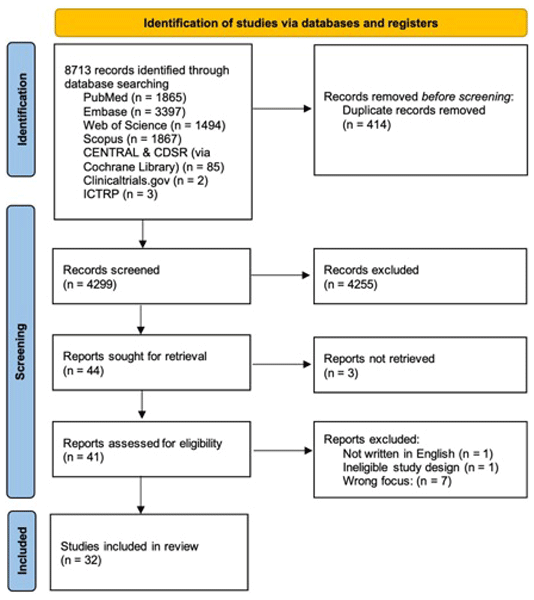
When infection around an artificial hip or knee is suspected, joint fluid sampling is essential but often unsuccessful. We performed a systematic review to evaluate whether rinsing the joint with sterile salt water after an unsuccessful attempt improves diagnosis. Our findings show that this approach is safe, yields testable fluid in nearly all cases, and identifies infection in about one in five patients that would otherwise be missed.
When infection around an artificial hip or knee is suspected, joint fluid sampling is...


