Articles | Volume 11, issue 2
https://doi.org/10.5194/jbji-11-191-2026
© Author(s) 2026. This work is distributed under
the Creative Commons Attribution 4.0 License.

https://doi.org/10.5194/jbji-11-191-2026
© Author(s) 2026. This work is distributed under
the Creative Commons Attribution 4.0 License.
Bone transport in the management of fracture-related infection: current concepts and innovations
Willem-Jan Metsemakers

CORRESPONDING AUTHOR
Department of Trauma Surgery, University Hospitals Leuven, Leuven, Belgium
Department of Development and Regeneration, KU Leuven, University of Leuven, Leuven, Belgium
Austin T. Fragomen
Limb Lengthening & Complex Reconstruction Service, Hospital for Special Surgery, New York, NY, USA
Mario Morgenstern
Center for Musculoskeletal Infections, Department of Orthopaedic and Trauma Surgery, University Hospital Basel, Basel, Switzerland
Steffen B. Rosslenbroich
Department of Trauma, Hand and Reconstructive Surgery, St. Mary's Hospital Osnabrueck, Osnabrueck, Germany
Stephen M. Quinnan
Department of Orthopedics, St. Mary's Medical Center, West Palm Beach, Florida, USA
Pablo S. Corona
Department of Orthopaedic Surgery, Hospital Universitario Vall d'Hebron, Universidad Autónoma de Barcelona, Barcelona, Spain
Reconstructive and Septic Surgery Unit, Hospital Universitario Vall d'Hebron, Universidad Autónoma de Barcelona, Barcelona, Spain
Mitchell Bernstein
Departments of Surgery & Pediatric Surgery, McGill University Montreal, Quebec, Canada
Kevin Tetsworth
Department of Orthopaedic Surgery, Royal Brisbane and Women's Hospital, Brisbane, Queensland, Australia
Related authors
Melissa Depypere, Jonathan Sliepen, Jolien Onsea, Yves Debaveye, T. Fintan Moriarty, Elena Della Bella, Emmanuel André, Johan Van Weyenbergh, and Willem-Jan Metsemakers
J. Bone Joint Infect., 11, 161–173, https://doi.org/10.5194/jbji-11-161-2026, https://doi.org/10.5194/jbji-11-161-2026, 2026
Short summary
Short summary
The aim of this proof-of-concept study was to investigate host immune gene expression through transcriptome profiling in patients with fracture-related infection and to explore the feasibility of detecting 16S rRNA and biofilm-associated genes, an approach not previously applied using this method. This technique revealed distinct immune activation patterns in fracture-related infection (FRI) and enabled the identification of pathogens that were missed by conventional culture techniques.
Niels Vanvelk, Esther M. M. Van Lieshout, Leendert H. T. Nugteren, A. Cornelis Plaisier, Rosalya Van der Pot, Corine Bethlehem, Willem-Jan Metsemakers, William T. Obremskey, and Michael H. J. Verhofstad
J. Bone Joint Infect., 11, 95–103, https://doi.org/10.5194/jbji-11-95-2026, https://doi.org/10.5194/jbji-11-95-2026, 2026
Short summary
Short summary
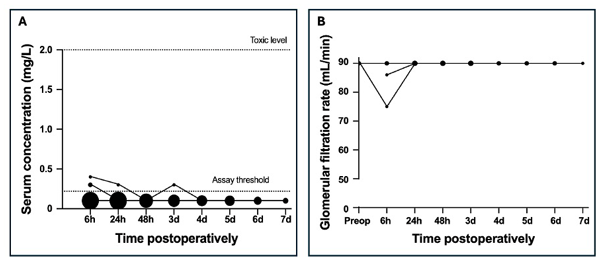
Although local antibiotic administration is used to prevent and treat fracture-related infections, concerns remain about systemic absorption and potential renal toxicity. This study assessed serum levels and renal function after local gentamicin or vancomycin use. Gentamicin exceeded the lower limit of quantification in 17% of cases but remained below toxic levels. Vancomycin was undetectable. These findings suggest that local antibiotic administration does not harm renal function.
Laura Bessems, Jolien Onsea, Baixing Chen, Marjan Wouthuyzen-Bakker, Irene K. Sigmund, Tristan Ferry, Richard Kuehl, Martin Clauss, Alex Soriano, Ricardo Sousa, Annette Schuermans, and Willem-Jan Metsemakers
J. Bone Joint Infect., 10, 489–500, https://doi.org/10.5194/jbji-10-489-2025, https://doi.org/10.5194/jbji-10-489-2025, 2025
Short summary
Short summary
Isolation of patients with musculoskeletal infections in orthopedic care is controversial. Evidence supports selective isolation for certain resistant pathogens but not for non-resistant pathogens, nor does it support the routine use of septic wards. Effective infection control depends on hospital-wide strategies and adherence to standard precautions, with specialized centres offering better care than dedicated isolation units.
Jonathan Sliepen, Michelle A. S. Buijs, Jolien Onsea, Geertje A. M. Govaert, Frank F. A. IJpma, Jean-Paul P. M. de Vries, Bart C. H. Van der Wal, Charalampos Zalavras, and Willem-Jan Metsemakers
J. Bone Joint Infect., 10, 347–361, https://doi.org/10.5194/jbji-10-347-2025, https://doi.org/10.5194/jbji-10-347-2025, 2025
Short summary
Short summary
This review assessed the effectiveness of single- and two-stage procedures for treating long-bone fracture-related infections, focusing on unhealed fractures without critical-sized bone defects. A total of 35 studies with 985 patients showed bone-healing rates of 80% for single-stage procedures and 77% for two-stage procedures. Infection eradication rates were 87% for single-stage approaches and 81% for two-stage approaches. The current evidence is inconclusive and lacks sufficient data to favor either approach.
Ann-Sophie Jacob, Jolien Onsea, Laura Bessems, Pauline Spoormans, Georges Vles, Willem-Jan Metsemakers, Sien Ombelet, and Melissa Depypere
J. Bone Joint Infect., 10, 317–326, https://doi.org/10.5194/jbji-10-317-2025, https://doi.org/10.5194/jbji-10-317-2025, 2025
Short summary
Short summary
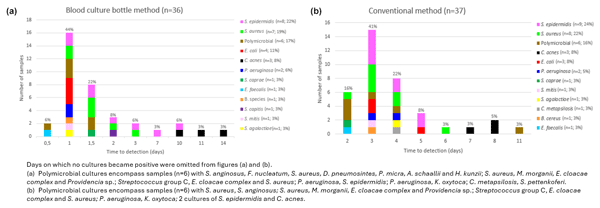
Fracture-related infections (FRIs) and periprosthetic joint infections (PJIs) fail to recover pathogens, posing a diagnostic challenge and impacting treatment. This new method involves homogenising biopsies with beads to release bacteria, followed by inoculation in blood culture bottles using an automated system. This technique shows similar sensitivity to conventional methods, with improved specificity and faster pathogen detection. To date, no other studies have reported an optimized method for incubating biopsies from patients with FRIs.
Irene K. Sigmund, Marjan Wouthuyzen-Bakker, Tristan Ferry, Willem-Jan Metsemakers, Martin Clauss, Alex Soriano, Rihard Trebse, and Ricardo Sousa
J. Bone Joint Infect., 10, 139–142, https://doi.org/10.5194/jbji-10-139-2025, https://doi.org/10.5194/jbji-10-139-2025, 2025
Short summary
Short summary
This is a summary of our position paper on debridement, antimicrobial therapy, and implant retention (DAIR) procedures as a curative treatment strategy for acute periprosthetic hip and knee infections. It includes the defined indications as well as the contraindications of DAIR procedures when eradication/cure is intended, based on the currently available literature.
Irene K. Sigmund, Tristan Ferry, Ricardo Sousa, Alex Soriano, Willem-Jan Metsemakers, Martin Clauss, Rihard Trebse, and Marjan Wouthuyzen-Bakker
J. Bone Joint Infect., 10, 101–138, https://doi.org/10.5194/jbji-10-101-2025, https://doi.org/10.5194/jbji-10-101-2025, 2025
Short summary
Short summary
In this paper, we discuss the most relevant factors influencing the outcome and define indications, contraindications, and risk factors of a DAIR procedure based on the currently available literature. Furthermore, we discuss the surgical technique in combination with systemic antimicrobial therapy in patients undergoing a DAIR procedure.
Baixing Chen, T. Fintan Moriarty, Hans Steenackers, Georges F. Vles, Jolien Onsea, Thijs Vackier, Isabel Spriet, Rob Lavigne, R. Geoff Richards, and Willem-Jan Metsemakers
J. Bone Joint Infect., 9, 249–260, https://doi.org/10.5194/jbji-9-249-2024, https://doi.org/10.5194/jbji-9-249-2024, 2024
Short summary
Short summary
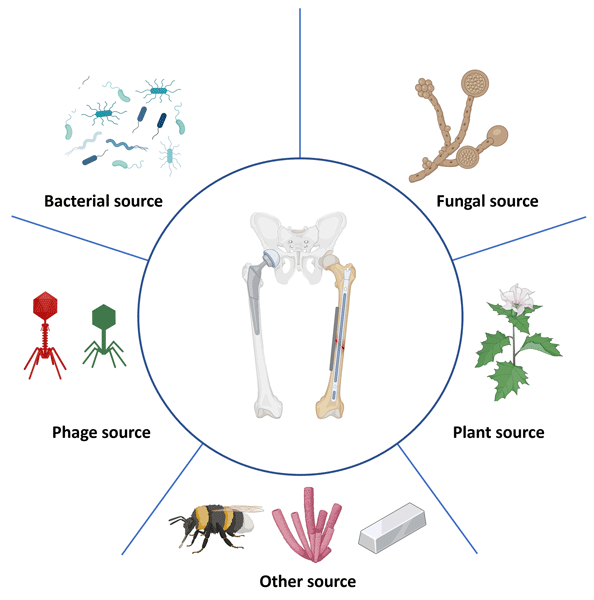
Our research explores natural antimicrobials to combat orthopedic-device-related infections, a challenging issue due to antibiotic resistance. We reviewed agents from bacteria, fungi, viruses, animals, plants and minerals, evaluating their effectiveness and synergy with traditional antibiotics. Our findings suggest these natural alternatives could revolutionize infection management in orthopedic patients, offering new hope for reducing antibiotic resistance and improving treatment outcomes.
Fred Ruythooren, Stijn Ghijselings, Melissa Depypere, Willem-Jan Metsemakers, Liesbet Henckaerts, Nathalie Noppe, and Georges Vles
J. Bone Joint Infect., 9, 167–171, https://doi.org/10.5194/jbji-9-167-2024, https://doi.org/10.5194/jbji-9-167-2024, 2024
Short summary
Short summary
The article examines a unique case of Ureaplasma urealyticum causing osteomyelitis in the greater trochanter of a 26-year-old male treated with ocrelizumab for multiple sclerosis. It emphasizes the necessity of a multidisciplinary approach and advanced PCR diagnostics to manage such rare opportunistic infections effectively, highlighting the challenges faced due to the immunosuppressive nature of monoclonal antibody therapies of this kind.
Jordi Cools, Stijn Ghijselings, Fred Ruythooren, Sander Jentjens, Nathalie Noppe, Willem-Jan Metsemakers, and Georges Vles
J. Bone Joint Infect., 9, 27–35, https://doi.org/10.5194/jbji-9-27-2024, https://doi.org/10.5194/jbji-9-27-2024, 2024
Short summary
Short summary
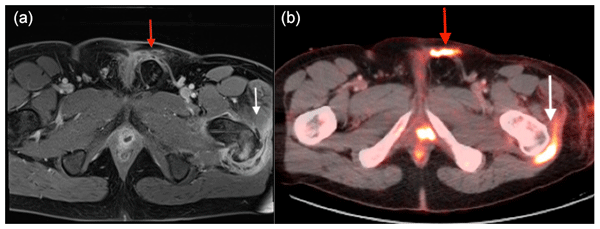
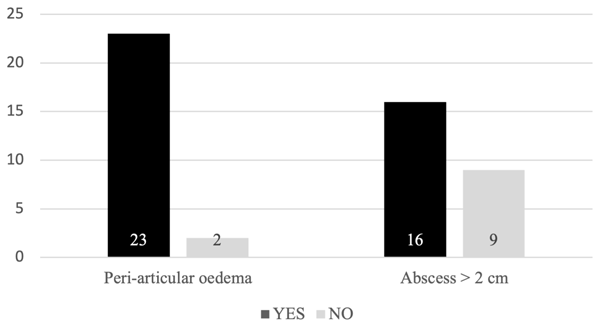
Septic arthritis (SA) of the native adult hip is a rare orthopaedic emergency. To date, the role of advanced imaging has been confined to supporting or opposing diagnosis; however, implications for surgical decision-making and outcomes have not yet been established. We found that extra-articular abscesses are present in two out of three patients and require varying anatomical approaches. Therefore, we recommend routinely performing advanced imaging in all adults with SA of the native hip joint.
Fred Ruythooren, Stijn Ghijselings, Jordi Cools, Melissa Depypere, Paul De Munter, Willem-Jan Metsemakers, and Georges Vles
J. Bone Joint Infect., 8, 209–218, https://doi.org/10.5194/jbji-8-209-2023, https://doi.org/10.5194/jbji-8-209-2023, 2023
Short summary
Short summary
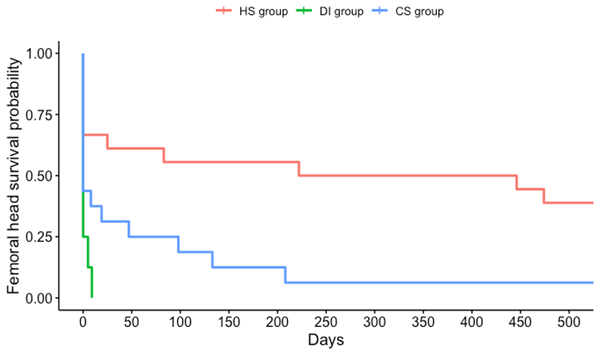
A total of 41 patients who underwent surgical treatment for septic arthritis (SA) of the native hip were studied. We show that patients with SA of the native hip can be divided in three distinct clinical subgroups based on route of infection. Route of infection is directly related to the chance of femoral head preservation and should, therefore, be the basis for decision-making. Only patients with blood-borne infections in an undamaged hip had a reasonable chance of femoral head preservation.
Niels Vanvelk, Esther M. M. Van Lieshout, Jolien Onsea, Jonathan Sliepen, Geertje Govaert, Frank F. A. IJpma, Melissa Depypere, Jamie Ferguson, Martin McNally, William T. Obremskey, Charalampos Zalavras, Michael H. J. Verhofstad, and Willem-Jan Metsemakers
J. Bone Joint Infect., 8, 133–142, https://doi.org/10.5194/jbji-8-133-2023, https://doi.org/10.5194/jbji-8-133-2023, 2023
Short summary
Short summary
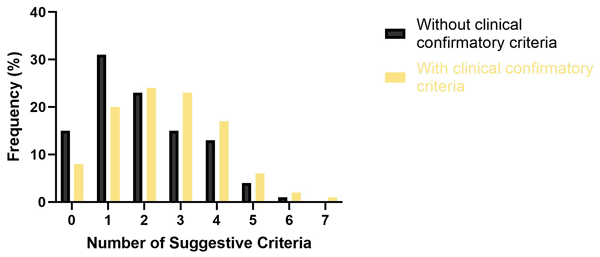
This international retrospective cohort study displays the diagnostic characteristics of 609 patients who were treated for fracture-related infection (FRI). Clinical confirmatory criteria were present in 77% of patients. In the remaining patients, the decision to operatively collect deep tissue cultures had to be based on a set of suggestive criteria. The combined use of these suggestive criteria should guide treating physicians in the management pathway of FRI.
Melissa Depypere, Jonathan Sliepen, Jolien Onsea, Yves Debaveye, T. Fintan Moriarty, Elena Della Bella, Emmanuel André, Johan Van Weyenbergh, and Willem-Jan Metsemakers
J. Bone Joint Infect., 11, 161–173, https://doi.org/10.5194/jbji-11-161-2026, https://doi.org/10.5194/jbji-11-161-2026, 2026
Short summary
Short summary
The aim of this proof-of-concept study was to investigate host immune gene expression through transcriptome profiling in patients with fracture-related infection and to explore the feasibility of detecting 16S rRNA and biofilm-associated genes, an approach not previously applied using this method. This technique revealed distinct immune activation patterns in fracture-related infection (FRI) and enabled the identification of pathogens that were missed by conventional culture techniques.
Christian Merz, Jan Klaas, Rik Osinga, Parham Sendi, Richard Alexander Kuehl, Mario Morgenstern, and Martin Clauss
J. Bone Joint Infect., 11, 113–121, https://doi.org/10.5194/jbji-11-113-2026, https://doi.org/10.5194/jbji-11-113-2026, 2026
Short summary
Short summary
Founded in 2019, the Center for Musculoskeletal Infections at University Hospital Basel was established to implement standardized, multidisciplinary care for orthopaedic and trauma-related infections. This retrospective analysis of hip and knee periprosthetic joint infections (2019–2022) illustrates the feasibility and effectiveness of this structured approach, with infection control achieved in the majority of patients despite case complexity.
Niels Vanvelk, Esther M. M. Van Lieshout, Leendert H. T. Nugteren, A. Cornelis Plaisier, Rosalya Van der Pot, Corine Bethlehem, Willem-Jan Metsemakers, William T. Obremskey, and Michael H. J. Verhofstad
J. Bone Joint Infect., 11, 95–103, https://doi.org/10.5194/jbji-11-95-2026, https://doi.org/10.5194/jbji-11-95-2026, 2026
Short summary
Short summary
Although local antibiotic administration is used to prevent and treat fracture-related infections, concerns remain about systemic absorption and potential renal toxicity. This study assessed serum levels and renal function after local gentamicin or vancomycin use. Gentamicin exceeded the lower limit of quantification in 17% of cases but remained below toxic levels. Vancomycin was undetectable. These findings suggest that local antibiotic administration does not harm renal function.
Laura Bessems, Jolien Onsea, Baixing Chen, Marjan Wouthuyzen-Bakker, Irene K. Sigmund, Tristan Ferry, Richard Kuehl, Martin Clauss, Alex Soriano, Ricardo Sousa, Annette Schuermans, and Willem-Jan Metsemakers
J. Bone Joint Infect., 10, 489–500, https://doi.org/10.5194/jbji-10-489-2025, https://doi.org/10.5194/jbji-10-489-2025, 2025
Short summary
Short summary
Isolation of patients with musculoskeletal infections in orthopedic care is controversial. Evidence supports selective isolation for certain resistant pathogens but not for non-resistant pathogens, nor does it support the routine use of septic wards. Effective infection control depends on hospital-wide strategies and adherence to standard precautions, with specialized centres offering better care than dedicated isolation units.
Jonathan Sliepen, Michelle A. S. Buijs, Jolien Onsea, Geertje A. M. Govaert, Frank F. A. IJpma, Jean-Paul P. M. de Vries, Bart C. H. Van der Wal, Charalampos Zalavras, and Willem-Jan Metsemakers
J. Bone Joint Infect., 10, 347–361, https://doi.org/10.5194/jbji-10-347-2025, https://doi.org/10.5194/jbji-10-347-2025, 2025
Short summary
Short summary
This review assessed the effectiveness of single- and two-stage procedures for treating long-bone fracture-related infections, focusing on unhealed fractures without critical-sized bone defects. A total of 35 studies with 985 patients showed bone-healing rates of 80% for single-stage procedures and 77% for two-stage procedures. Infection eradication rates were 87% for single-stage approaches and 81% for two-stage approaches. The current evidence is inconclusive and lacks sufficient data to favor either approach.
Ann-Sophie Jacob, Jolien Onsea, Laura Bessems, Pauline Spoormans, Georges Vles, Willem-Jan Metsemakers, Sien Ombelet, and Melissa Depypere
J. Bone Joint Infect., 10, 317–326, https://doi.org/10.5194/jbji-10-317-2025, https://doi.org/10.5194/jbji-10-317-2025, 2025
Short summary
Short summary
Fracture-related infections (FRIs) and periprosthetic joint infections (PJIs) fail to recover pathogens, posing a diagnostic challenge and impacting treatment. This new method involves homogenising biopsies with beads to release bacteria, followed by inoculation in blood culture bottles using an automated system. This technique shows similar sensitivity to conventional methods, with improved specificity and faster pathogen detection. To date, no other studies have reported an optimized method for incubating biopsies from patients with FRIs.
Irene K. Sigmund, Marjan Wouthuyzen-Bakker, Tristan Ferry, Willem-Jan Metsemakers, Martin Clauss, Alex Soriano, Rihard Trebse, and Ricardo Sousa
J. Bone Joint Infect., 10, 139–142, https://doi.org/10.5194/jbji-10-139-2025, https://doi.org/10.5194/jbji-10-139-2025, 2025
Short summary
Short summary
This is a summary of our position paper on debridement, antimicrobial therapy, and implant retention (DAIR) procedures as a curative treatment strategy for acute periprosthetic hip and knee infections. It includes the defined indications as well as the contraindications of DAIR procedures when eradication/cure is intended, based on the currently available literature.
Irene K. Sigmund, Tristan Ferry, Ricardo Sousa, Alex Soriano, Willem-Jan Metsemakers, Martin Clauss, Rihard Trebse, and Marjan Wouthuyzen-Bakker
J. Bone Joint Infect., 10, 101–138, https://doi.org/10.5194/jbji-10-101-2025, https://doi.org/10.5194/jbji-10-101-2025, 2025
Short summary
Short summary
In this paper, we discuss the most relevant factors influencing the outcome and define indications, contraindications, and risk factors of a DAIR procedure based on the currently available literature. Furthermore, we discuss the surgical technique in combination with systemic antimicrobial therapy in patients undergoing a DAIR procedure.
Amber A. Hamilton, Jidapa Wongcharoenwatana, Jason S. Hoellwarth, Austin T. Fragomen, S. Robert Rozbruch, and Taylor J. Reif
J. Bone Joint Infect., 9, 261–270, https://doi.org/10.5194/jbji-9-261-2024, https://doi.org/10.5194/jbji-9-261-2024, 2024
Short summary
Short summary
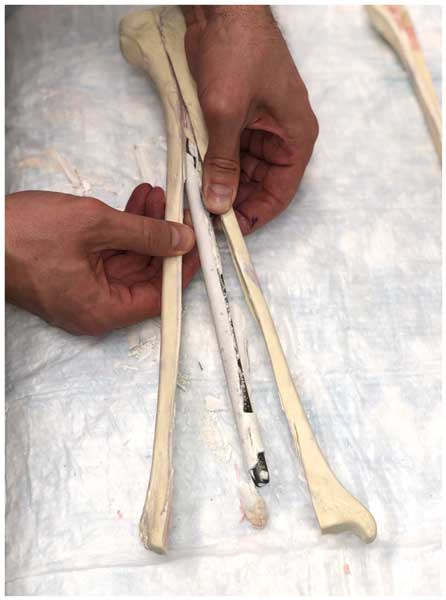
Implant-related osteomyelitis is common in orthopedics. Absorbable antibiotic-loaded calcium sulfate (ACS) is an alternative to nonabsorbable antibiotic depot options for osteomyelitis and fracture-related infections. This study aims to evaluate intramedullary canal filling and coating characteristics of ACS around tibial nails using a tibia SAWBONES model. This research was done to better understand the potential utility of ACS in situations requiring fixation in the setting of local infection.
Baixing Chen, T. Fintan Moriarty, Hans Steenackers, Georges F. Vles, Jolien Onsea, Thijs Vackier, Isabel Spriet, Rob Lavigne, R. Geoff Richards, and Willem-Jan Metsemakers
J. Bone Joint Infect., 9, 249–260, https://doi.org/10.5194/jbji-9-249-2024, https://doi.org/10.5194/jbji-9-249-2024, 2024
Short summary
Short summary
Our research explores natural antimicrobials to combat orthopedic-device-related infections, a challenging issue due to antibiotic resistance. We reviewed agents from bacteria, fungi, viruses, animals, plants and minerals, evaluating their effectiveness and synergy with traditional antibiotics. Our findings suggest these natural alternatives could revolutionize infection management in orthopedic patients, offering new hope for reducing antibiotic resistance and improving treatment outcomes.
Alexandra Wallimann, Yvonne Achermann, Ciara Ferris, Mario Morgenstern, Martin Clauss, Vincent Stadelmann, Hannes Andreas Rüdiger, Liam O'Mahony, and Thomas Fintan Moriarty
J. Bone Joint Infect., 9, 191–196, https://doi.org/10.5194/jbji-9-191-2024, https://doi.org/10.5194/jbji-9-191-2024, 2024
Short summary
Short summary
Skin commensal bacteria such as staphylococci are often the source of orthopaedic-device-related infections. Rifampicin is a widely used antibiotic in the treatment of these infections. The results of this study show that oral rifampicin therapy leads to a consistent and persistent induction of resistance in commensal staphylococci on the skin and in the nose for a prolonged time.
Noémie Reinert, Katinka Wetzel, Fabian Franzeck, Mario Morgenstern, Markus Aschwanden, Thomas Wolff, Martin Clauss, and Parham Sendi
J. Bone Joint Infect., 9, 183–190, https://doi.org/10.5194/jbji-9-183-2024, https://doi.org/10.5194/jbji-9-183-2024, 2024
Short summary
Short summary
We assessed concordance of in-house guidelines for diagnostic principles and antibiotic treatment duration (ABT) 2 years after their implementation. The goal was to standardize diagnostic and treatment principles: are we doing what we recommend? The adherence to recommendations in terms of biopsy sampling was good, moderate for histopathology and poor for anatomic labeling. In terms of ABT duration, the adherence was good, but further shortening for surgically cured cases is necessary.
Fred Ruythooren, Stijn Ghijselings, Melissa Depypere, Willem-Jan Metsemakers, Liesbet Henckaerts, Nathalie Noppe, and Georges Vles
J. Bone Joint Infect., 9, 167–171, https://doi.org/10.5194/jbji-9-167-2024, https://doi.org/10.5194/jbji-9-167-2024, 2024
Short summary
Short summary
The article examines a unique case of Ureaplasma urealyticum causing osteomyelitis in the greater trochanter of a 26-year-old male treated with ocrelizumab for multiple sclerosis. It emphasizes the necessity of a multidisciplinary approach and advanced PCR diagnostics to manage such rare opportunistic infections effectively, highlighting the challenges faced due to the immunosuppressive nature of monoclonal antibody therapies of this kind.
Shafaf Hasin Alam, Jason S. Hoellwarth, Kevin Tetsworth, Atiya Oomatia, Tristen N. Taylor, and Munjed Al Muderis
J. Bone Joint Infect., 9, 49–57, https://doi.org/10.5194/jbji-9-49-2024, https://doi.org/10.5194/jbji-9-49-2024, 2024
Short summary
Short summary
Osseointegration is a highly enabling reconstruction for patients with limb loss. However, infection can occur. There are currently poor diagnostic criteria for infection, and patients may be brought for surgery too much or too little. The study proposes an algorithm based on history, clinical, and laboratory data to predict the chance of culture-positive deep infection.
Jordi Cools, Stijn Ghijselings, Fred Ruythooren, Sander Jentjens, Nathalie Noppe, Willem-Jan Metsemakers, and Georges Vles
J. Bone Joint Infect., 9, 27–35, https://doi.org/10.5194/jbji-9-27-2024, https://doi.org/10.5194/jbji-9-27-2024, 2024
Short summary
Short summary
Septic arthritis (SA) of the native adult hip is a rare orthopaedic emergency. To date, the role of advanced imaging has been confined to supporting or opposing diagnosis; however, implications for surgical decision-making and outcomes have not yet been established. We found that extra-articular abscesses are present in two out of three patients and require varying anatomical approaches. Therefore, we recommend routinely performing advanced imaging in all adults with SA of the native hip joint.
Fred Ruythooren, Stijn Ghijselings, Jordi Cools, Melissa Depypere, Paul De Munter, Willem-Jan Metsemakers, and Georges Vles
J. Bone Joint Infect., 8, 209–218, https://doi.org/10.5194/jbji-8-209-2023, https://doi.org/10.5194/jbji-8-209-2023, 2023
Short summary
Short summary
A total of 41 patients who underwent surgical treatment for septic arthritis (SA) of the native hip were studied. We show that patients with SA of the native hip can be divided in three distinct clinical subgroups based on route of infection. Route of infection is directly related to the chance of femoral head preservation and should, therefore, be the basis for decision-making. Only patients with blood-borne infections in an undamaged hip had a reasonable chance of femoral head preservation.
Niels Vanvelk, Esther M. M. Van Lieshout, Jolien Onsea, Jonathan Sliepen, Geertje Govaert, Frank F. A. IJpma, Melissa Depypere, Jamie Ferguson, Martin McNally, William T. Obremskey, Charalampos Zalavras, Michael H. J. Verhofstad, and Willem-Jan Metsemakers
J. Bone Joint Infect., 8, 133–142, https://doi.org/10.5194/jbji-8-133-2023, https://doi.org/10.5194/jbji-8-133-2023, 2023
Short summary
Short summary
This international retrospective cohort study displays the diagnostic characteristics of 609 patients who were treated for fracture-related infection (FRI). Clinical confirmatory criteria were present in 77% of patients. In the remaining patients, the decision to operatively collect deep tissue cultures had to be based on a set of suggestive criteria. The combined use of these suggestive criteria should guide treating physicians in the management pathway of FRI.
Emilie-Ann Downey, Kayla M. Jaime, Taylor J. Reif, Asim M. Makhdom, S. Robert Rozbruch, and Austin T. Fragomen
J. Bone Joint Infect., 7, 101–107, https://doi.org/10.5194/jbji-7-101-2022, https://doi.org/10.5194/jbji-7-101-2022, 2022
Short summary
Short summary
The use of dissolving local antibiotic delivery systems in orthopedic surgery is improving the way we treat infection. Early analysis of a small cohort suggests that antibiotic-loaded calcium sulfate-coated interlocking intramedullary nails (CS-IMN) are safe and may be as effective as the more established method for infection eradication. Future studies with larger cohorts of patients will be required to confirm these findings.
Cited articles
Abulaiti, A., Yilihamu, Y., Yasheng, T., Alike, Y., and Yusufu, A.: The psychological impact of external fixation using the Ilizarov or Orthofix LRS method to treat tibial osteomyelitis with a bone defect, Injury, 48, 2842–2846, 2017.
Bernstein, M., Fragomen, A. T., Sabharwal, S., Barclay, J., and Rozbruch, S. R.: Does Integrated Fixation Provide Benefit in the Reconstruction of Posttraumatic Tibial Bone Defects?, Clin. Orthop. Relat. Res., 473, 3143–3153, https://doi.org/10.1007/s11999-015-4326-6, 2015.
Bernstein, M., Fragomen, A., and Rozbruch, S. R.: Tibial Bone Transport Over an Intramedullary Nail Using Cable and Pulleys, JBJS Essent. Surg. Tech., 8, e9, https://doi.org/10.1016/j.injury.2017.10.036, 2018.
Bezstarosti, H., Metsemakers, W. J., van Lieshout, E. M. M., Voskamp, L. W., Kortram, K., McNally, M. A., Marais, L. C., and Verhofstad, M. H. J.: Management of critical-sized bone defects in the treatment of fracture-related infection: a systematic review and pooled analysis, Arch. Orthop. Trauma Surg., 141, 1215–1230, https://doi.org/10.1007/s00402-020-03525-0, 2021.
Corona, P. S., Carbonell-Rosell, C., Vicente, M., Serracanta, J., Tetsworth, K., and Glatt, V.: Three-stage limb salvage in tibial fracture related infection with composite bone and soft-tissue defect, Arch. Orthop. Trauma Surg., 142, 3877–3887, https://doi.org/10.1007/s00402-021-04299-9, 2022.
Corona, P. S., Pujol, O., Valcarcel, J., Vicente, M., Lakhani, K., and Amat, C.: Preliminary outcomes of a novel metal-coated antibacterial nail in Bone Transport Over Nail (BTON) and Nail After Bone Transport (NABT) procedures in cases of segmental infected tibial bone defects, Injury, 56, 112520, https://doi.org/10.1016/j.injury.2025.112520, 2025.
Court-Brown, C., Heckman, J., McQueen, M., Ricci, W., and Tornetta III, P.: Rockwood and Green's fractures in adults, Wolters Kluwer Health Philadelphia, ISBN 978-1-4963-8651-9, 2015.
Depypere, M., Kuehl, R., Metsemakers, W. J., Senneville, E., McNally, M. A., Obremskey, W. T., Zimmerli, W., Atkins, B. L., Trampuz, A., and racture-Related Infection (FRI) Consensus Group: Recommendations for Systemic Antimicrobial Therapy in Fracture-Related Infection: A Consensus From an International Expert Group, J. Orthop. Trauma, 34, 30–41, https://doi.org/10.1097/BOT.0000000000001626, 2020a.
Depypere, M., Morgenstern, M., Kuehl, R., Senneville, E., Moriarty, T. F., Obremskey, W. T., Zimmerli, W., Trampuz, A., Lagrou, K., and Metsemakers, W. J.: Pathogenesis and management of fracture-related infection, Clin. Microbiol. Infect., 26, 572–578, https://doi.org/10.1016/j.cmi.2019.08.006, 2020b.
Emara, K. M. and Allam, M. F.: Ilizarov external fixation and then nailing in management of infected nonunions of the tibial shaft, J. Trauma, 65, 685–691, https://doi.org/10.1097/TA.0b013e3181569ecc, 2008.
Frank, F. A., Pomeroy, E., Hotchen, A. J., Stubbs, D., Ferguson, J. Y., and McNally, M.: Clinical Outcome following Management of Severe Osteomyelitis due to Pin Site Infection, Strategies Trauma Limb. Reconstr., 19, 21–25, https://doi.org/10.5005/jp-journals-10080-1607, 2024.
Garabano, G., Jaime, A., Juri, A., Pesciallo, C., and Giannoudis, P. V.: Patients' quality of life and function evaluation after successful management of infected segmental bone defects with the induced membrane technique, Eur. J. Orthop. Surg. Traumatol., 35, 386, https://doi.org/10.1007/s00590-025-04513-z, 2025.
Gardner, M. P. and Beason, A. M.: Plate-Assisted Bone Segment Transport Versus Precice Bone Transport Nail, J. Orthop. Trauma, 35, S19–S24, https://doi.org/10.1097/BOT.0000000000002123, 2021.
Govaert, G. A. M., Kuehl, R., Atkins, B. L., Trampuz, A., Morgenstern, M., Obremskey, W. T., Verhofstad, M. H. J., McNally, M. A., Metsemakers, W. J., and Fracture-Related Infection Consensus, G.: Diagnosing Fracture-Related Infection: Current Concepts and Recommendations, J. Orthop. Trauma, 34, 8–17, https://doi.org/10.1097/BOT.0000000000001614, 2020.
Green, S. A.: In Infected Nonunited Long-Bone Fractures of Lower Limbs, Bone Transport Through Induced Membrane Reduced Time to Docking Site Union and Risk of Nonunion and Infection Recurrence Versus Conventional Bone Transport, J. Bone Joint Surg. Am., https://doi.org/10.2106/JBJS.24.00171, 2024.
Haines, N. M., Lack, W. D., Seymour, R. B., and Bosse, M. J.: Defining the Lower Limit of a “Critical Bone Defect” in Open Diaphyseal Tibial Fractures, J. Orthop. Trauma, 30, e158–163, https://doi.org/10.1097/BOT.0000000000000531, 2016.
Hamiti, Y., Yushan, M., Yalikun, A., Lu, C., and Yusufu, A.: Matched comparative study of trifocal bone transport versus induced membrane followed by trifocal bone transport in the treatment of segmental tibial defects caused by posttraumatic osteomyelitis, BMC Musculoskelet. Disord., 23, 572, https://doi.org/10.1186/s12891-022-05501-8, 2022.
Haruno, L. S., Owen, J. K., and Marecek, G. S.: Automated Balanced Cable Trifocal Bone Transport: A Case Report, JBJS Case Connect, 14, https://doi.org/10.2106/JBJS.CC.24.00309, 2024.
Huang, S., Zeng, A., Yin, Q., Yang, Q., Zou, B., He, M., Wang, J., and Pan, Q.: Progress in immunoregulatory mechanisms during distraction osteogenesis, Front. Bioeng. Biotechnol., 13, 1665192, https://doi.org/10.3389/fbioe.2025.1665192, 2025.
Iliaens, J., Onsea, J., Hoekstra, H., Nijs, S., Peetermans, W. E., and Metsemakers, W. J.: Fracture-related infection in long bone fractures: A comprehensive analysis of the economic impact and influence on quality of life, Injury, 52, 3344–3349, https://doi.org/10.1016/j.injury.2021.08.023, 2021.
Ilizarov, G. A.: The tension-stress effect on the genesis and growth of tissues. Part I. The influence of stability of fixation and soft-tissue preservation, Clin. Orthop. Relat. Res., 1989, 249–281, 1989.
Ilizarov, G. A.: Clinical application of the tension-stress effect for limb lengthening, Clin. Orthop. Relat. Res., 1990, 8–26, 1990.
Kadhim, M., Holmes, L., Jr., Gesheff, M. G., and Conway, J. D.: Treatment Options for Nonunion With Segmental Bone Defects: Systematic Review and Quantitative Evidence Synthesis, J. Orthop. Trauma, 31, 111–119, https://doi.org/10.1097/BOT.0000000000000700, 2017.
Keshet, D. and Eidelman, M.: Clinical utility of the Taylor spatial frame for limb deformities, Orthop. Res. Rev., 9, 51–61, https://doi.org/10.2147/ORR.S113420, 2017.
Lance, D., Morpeth, B., Faith, H., Nougaisse, J., Davis, J. M., and Blair, J. A.: Massive Tibial Defect Treated with Plate-assisted Bone Segment Transport and A Novel Internal Cable-Pulley System, Strategies Trauma Limb Reconstr., 19, 118–124, https://doi.org/10.5005/jp-journals-10080-1622, 2024.
Liodakis, E., Giannoudis, V. P., Harwood, P. J., and Giannoudis, P. V.: Docking site interventions following bone transport using external fixation: a systematic review of the literature, Int. Orthop., 48, 365–388, https://doi.org/10.1007/s00264-023-06062-8, 2024.
Liu, K., Jia, Q., Wang, X., Bahesutihan, Y., Ma, C., Ren, P., Liu, Y., and Yusufu, A.: Complications associated with single-level bone transport for the treatment of tibial bone defects caused by fracture-related infection, BMC Musculoskelet. Disord., 24, 514, https://doi.org/10.1186/s12891-023-06527-2 2023.
Liu, Y., Yushan, M., Liu, Z., Liu, J., Ma, C., and Yusufu, A.: Complications of bone transport technique using the Ilizarov method in the lower extremity: a retrospective analysis of 282 consecutive cases over 10 years, BMC Musculoskelet. Disord., 21, 354, https://doi.org/10.1186/s12891-020-03335-w, 2020.
Lu, V., Zhang, J., Zhou, A., and Krkovic, M.: Management of post-traumatic femoral defects with a monorail external fixator over an intramedullary nail, Eur. J. Orthop. Surg. Traumatol., 32, 1119–1126, https://doi.org/10.1007/s00590-021-03082-1, 2022.
Metsemakers, W. J., Morgenstern, M., McNally, M. A., Moriarty, T. F., McFadyen, I., Scarborough, M., Athanasou, N. A., Ochsner, P. E., Kuehl, R., Raschke, M., Borens, O., Xie, Z., Velkes, S., Hungerer, S., Kates, S. L., Zalavras, C., Giannoudis, P. V., Richards, R. G., and Verhofstad, M. H. J.: Fracture-related infection: A consensus on definition from an international expert group, Injury, 49, 505–510, https://doi.org/10.1016/j.injury.2017.08.040, 2018.
Metsemakers, W. J., Claes, G., Terryn, P. J., Belmans, A., Hoekstra, H., and Nijs, S.: Reamer-Irrigator-Aspirator bone graft harvesting for treatment of segmental bone loss: analysis of defect volume as independent risk factor for failure, Eur. J. Trauma Emerg. Surg., 45, 21–29, https://doi.org/10.1007/s00068-017-0821-7, 2019.
Metsemakers, W. J., Fragomen, A. T., Moriarty, T. F., Morgenstern, M., Egol, K. A., Zalavras, C., Obremskey, W. T., Raschke, M., McNally, M. A., and Fracture-Related Infection consensus group.: Evidence-Based Recommendations for Local Antimicrobial Strategies and Dead Space Management in Fracture-Related Infection, J. Orthop. Trauma, 34, 18–29, https://doi.org/10.1097/BOT.0000000000001615, 2020a.
Metsemakers, W. J., Morgenstern, M., Senneville, E., Borens, O., Govaert, G. A. M., Onsea, J., Depypere, M., Richards, R. G., Trampuz, A., Verhofstad, M. H. J., Kates, S. L., Raschke, M., McNally, M. A., Obremskey, W. T., and racture-Related Infection (FRI) Consensus Group: General treatment principles for fracture-related infection: recommendations from an international expert group, Arch. Orthop. Trauma Surg., 140, 1013–1027, https://doi.org/10.1007/s00402-019-03287-4, 2020b.
Moriarty, T. F., Metsemakers, W. J., Morgenstern, M., Hofstee, M. I., Vallejo Diaz, A., Cassat, J. E., Wildemann, B., Depypere, M., Schwarz, E. M., and Richards, R. G.: Fracture-related infection, Nat. Rev. Dis. Primers, 8, 67, https://doi.org/10.1038/s41572-022-00396-0, 2022.
Norris, B. L., Vanderkarr, M., Sparks, C., Chitnis, A. S., Ray, B., and Holy, C. E.: Treatments, cost and healthcare utilization of patients with segmental bone defects, Injury, 52, 2935–2940, https://doi.org/10.1016/j.injury.2021.01.016, 2021.
Olesen, U. K., Nygaard, T., Prince, D. E., Gardner, M. P., Singh, U. M., McNally, M. A., Green, C. J., and Herzenberg, J. E.: Plate-assisted Bone Segment Transport With Motorized Lengthening Nails and Locking Plates: A Technique to Treat Femoral and Tibial Bone Defects, J. Am. Acad. Orthop. Surg. Glob. Res. Rev., 3, e064, https://doi.org/10.5435/JAAOSGlobal-D-19-00064, 2019.
Paley, D. and Tetsworth, K.: Percutaneous osteotomies. Osteotome and Gigli saw techniques, Orthop. Clin. North Am., 22, 613–624, 1991.
Papakostidis, C., Bhandari, M., and Giannoudis, P. V.: Distraction osteogenesis in the treatment of long bone defects of the lower limbs: effectiveness, complications and clinical results; a systematic review and meta-analysis, Bone Joint J., 95-B, 1673–1680, https://doi.org/10.1302/0301-620X.95B12.32385, 2013.
Park, K. H., Oh, C. W., Kim, J. W., Oh, J. K., Yoon, Y. C., Seo, I., Ha, S. S., and Chung, S. H.: Matched Comparison of Bone Transport Using External Fixator Over a Nail Versus External Fixator Over a Plate for Segmental Tibial Bone Defects, J. Orthop. Trauma, 35, e397–e404, https://doi.org/10.1097/BOT.0000000000002084, 2021.
Pujol, O., Vicente, M., Castellanos, S., Joshi-Jubert, N., and Corona, P.: Preliminary Outcomes of a Staged Percutaneous Retrograde Prefabricated Gentamicin-coated Intramedullary Nail to Manage Complications after Ankle Fusion through Tibial Bone Transport, Strategies Trauma Limb. Reconstr., 18, 155–162, https://doi.org/10.5005/jp-journals-10080-1595, 2023.
Quinnan, S. M. and Lawrie, C.: Optimizing Bone Defect Reconstruction-Balanced Cable Transport With Circular External Fixation, J. Orthop. Trauma, 31, e347–e355, https://doi.org/10.1097/BOT.0000000000000994, 2017.
Rozbruch, S. R., Kleinman, D., Fragomen, A. T., and Ilizarov, S.: Limb lengthening and then insertion of an intramedullary nail: a case-matched comparison, Clin. Orthop. Relat. Res., 466, 2923–2932, https://doi.org/10.1007/s11999-008-0509-8, 2008.
Sanders, D. W., Bhandari, M., Guyatt, G., Heels-Ansdell, D., Schemitsch, E. H., Swiontkowski, M., Tornetta III, P., Walter, S., and Investigators, S.: Critical-sized defect in the tibia: is it critical? Results from the SPRINT trial, J. Orthop. Trauma, 28, 632–635, https://doi.org/10.1097/BOT.0000000000000194, 2014.
Seng, D. W. R. and Oh, C. W.: Critical size bone defects managed with modern techniques of bone transport: An update, Injury, 55, 111341, https://doi.org/10.1016/j.injury.2024.111341, 2024.
Sheridan, G. A., Fragomen, A. T., and Rozbruch, S. R.: Hexapod External Fixation for Fractures and Nonunions, in: Hexapod External Fixator Systems: Principles and Current Practice in Orthopaedic Surgery, edited by: Massobrio, M. and Mora, R., Springer International Publishing, Cham, ISBN 978-3-030-40666-0, 2021.
Sigmund, I. K., Ferguson, J., Govaert, G. A. M., Stubbs, D., and McNally, M. A.: Comparison of Ilizarov Bifocal, Acute Shortening and Relengthening with Bone Transport in the Treatment of Infected, Segmental Defects of the Tibia, J. Clin. Med., 9, https://doi.org/10.3390/jcm9020279, 2020.
SPRINT Investigators, Bhandari, M., Guyatt, G., Tornetta, P., 3rd, Schemitsch, E. H., Swiontkowski, M., Sanders, D., and Walter, S. D.: Randomized trial of reamed and unreamed intramedullary nailing of tibial shaft fractures, J. Bone Joint Surg. Am., 90, 2567–2578, https://doi.org/10.2106/JBJS.G.01694, 2008.
Tetsworth, K. and Cierny III, G.: Osteomyelitis debridement techniques, Clin. Orthop. Relat. Res., https://doi.org/10.1097/00003086-199903000-00011, 1999. 87–96, 1999.
Tetsworth, K. D., Burnand, H. G., Hohmann, E., and Glatt, V.: Classification of Bone Defects: An Extension of the Orthopaedic Trauma Association Open Fracture Classification, J. Orthop. Trauma, 35, 71–76, https://doi.org/10.1097/BOT.0000000000001896, 2021.
Thakeb, M. F., Kozman, M. A., ElGebeily, M. A., Baraka, M. M., and Al Kersh, M. A.: Bone Transport Through Induced Membrane Versus Conventional Bone Transport in Management of Infected Long-Bone Defects of Lower Limbs: A Randomized Controlled Trial, J. Orthop. Trauma, 37, 462–468, https://doi.org/10.1097/BOT.0000000000002613, 2023.
Tsang, S. J., van Rensburg, A. J., van Heerden, J., Epstein, G. Z., Venter, R., and Ferreira, N.: The management of critical bone defects: outcomes of a systematic approach, Eur. J. Orthop. Surg. Traumatol., 34, 3225–3231, https://doi.org/10.1007/s00590-024-04050-1, 2024.
Short summary
Segmental bone loss remains a major challenge, often worsened by fracture-related infection (FRI). Surgical debridement and tissue cultures are key initial steps. Bone transport, utilizing distraction osteogenesis, remains a key therapeutic strategy. Innovations like integrated fixation and motorized nails reduce patient morbidity. Management relies on a multidisciplinary approach. This review explores current and emerging concepts in the field of bone transport, focusing on FRI.
Segmental bone loss remains a major challenge, often worsened by fracture-related infection...